
Last updated November 22, 2026
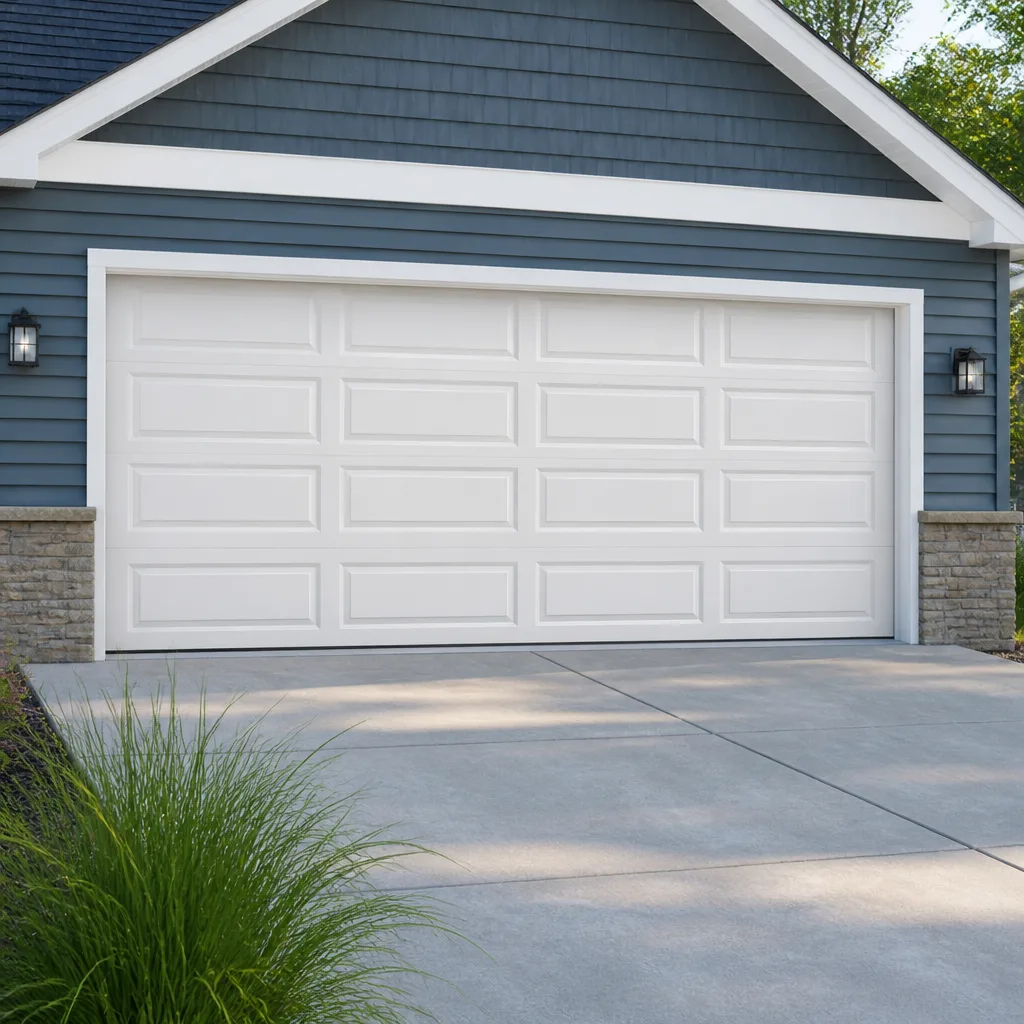 Raised-panel steel
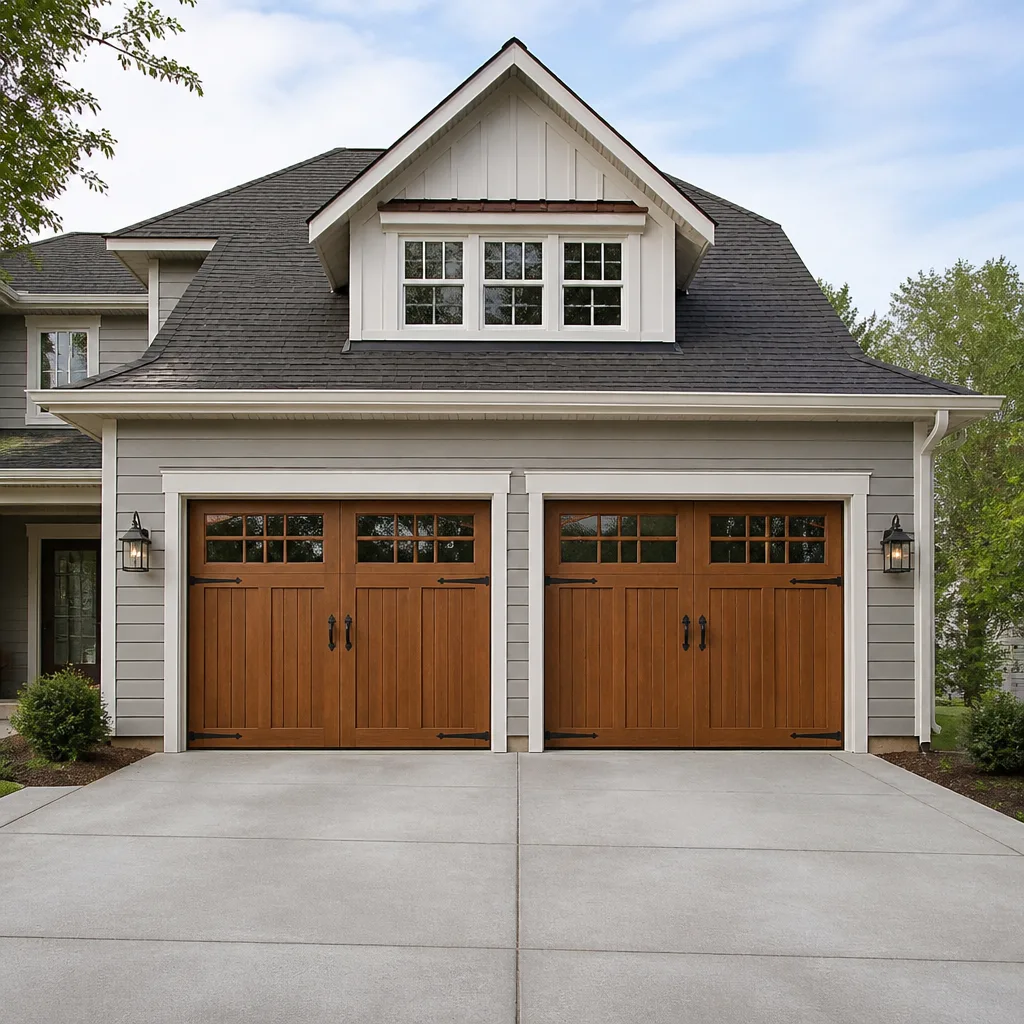 Carriage house
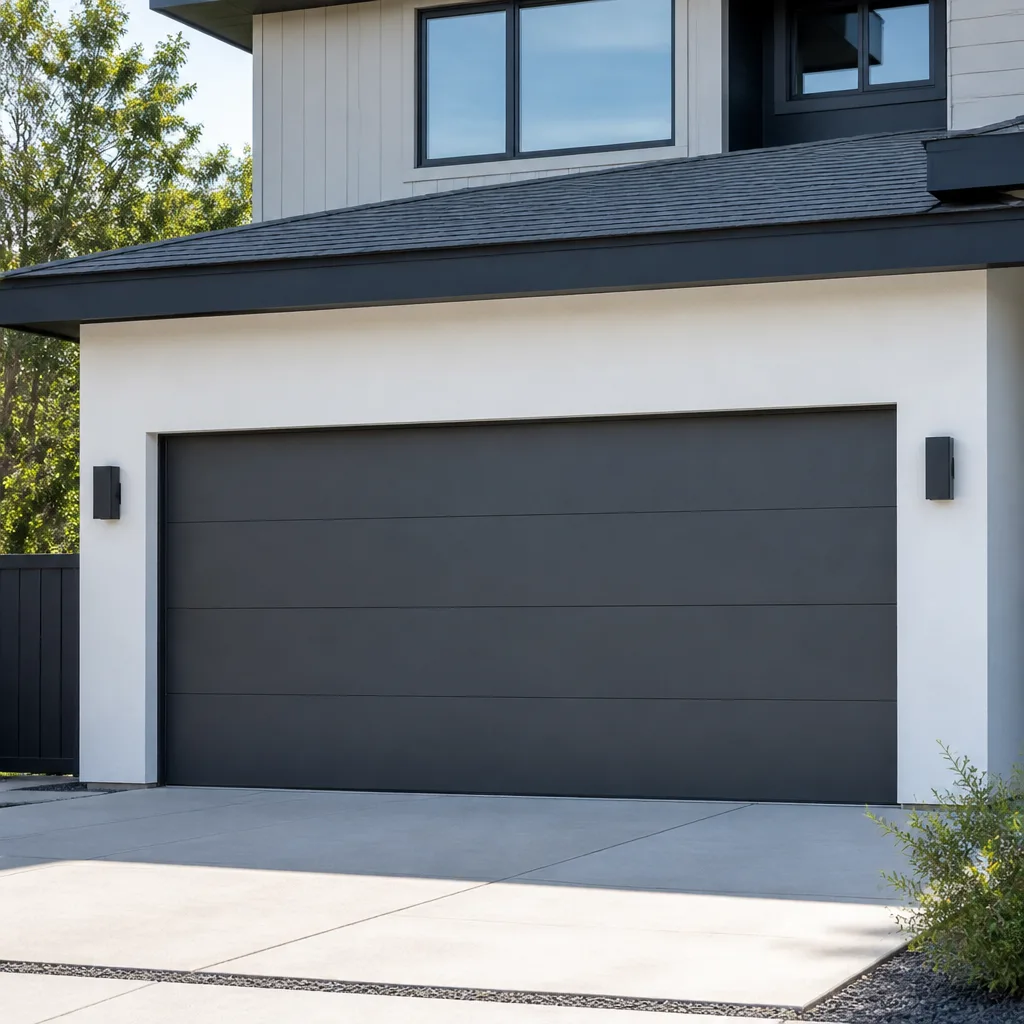 Modern flush
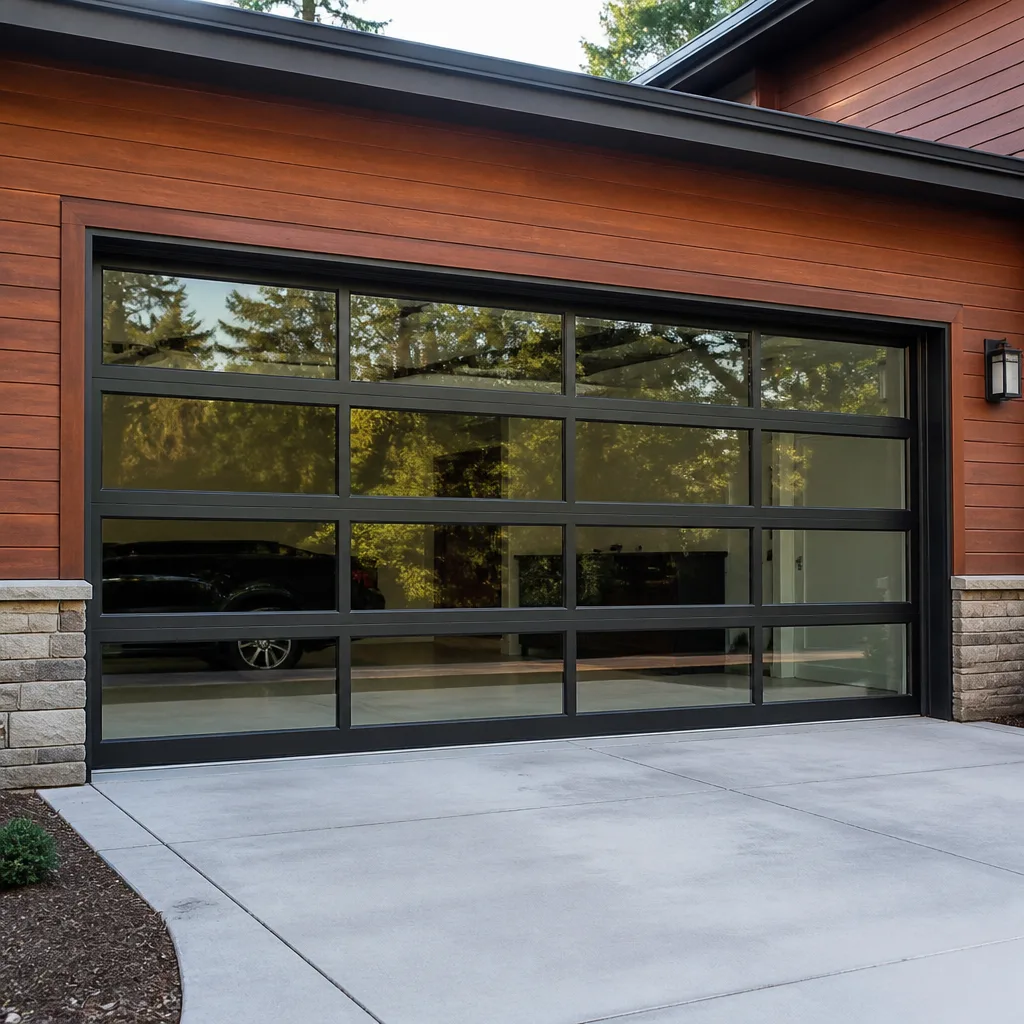 Full-view glass
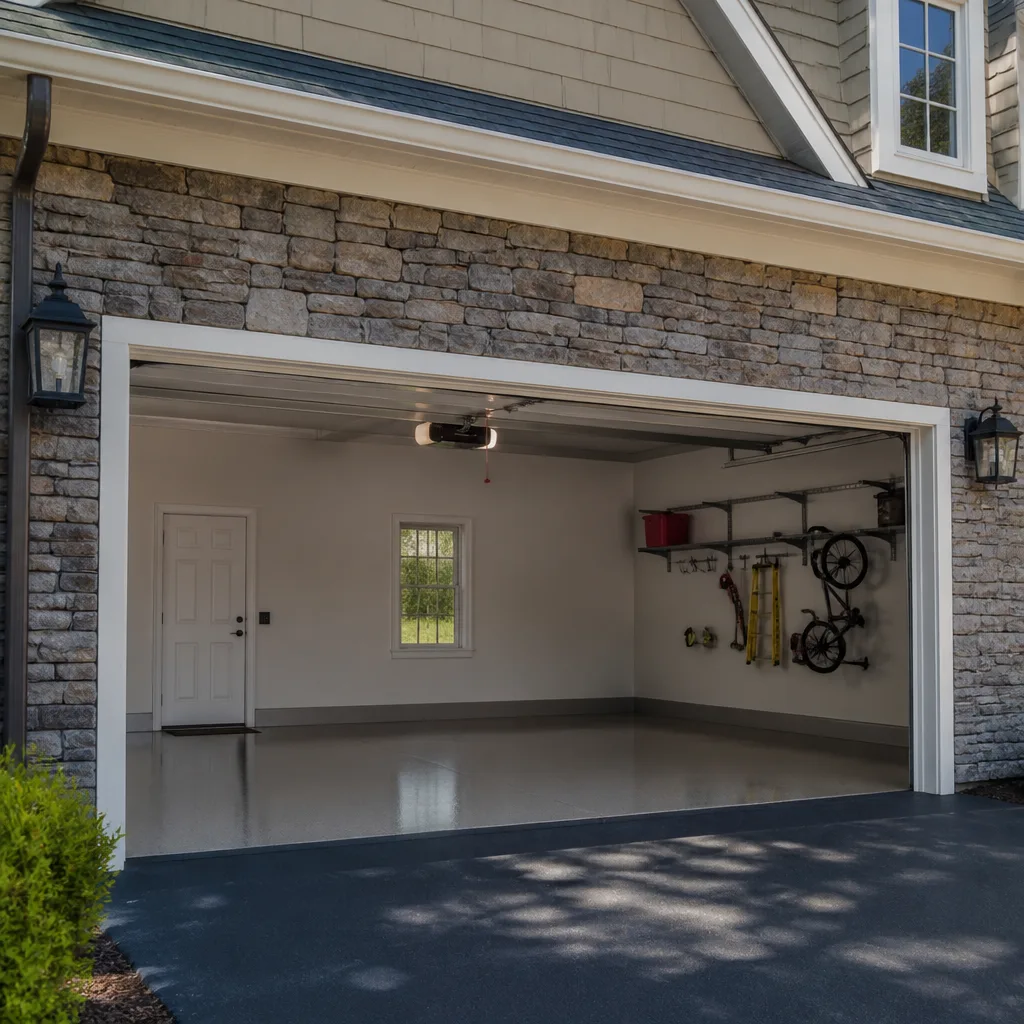 LiftMaster openers
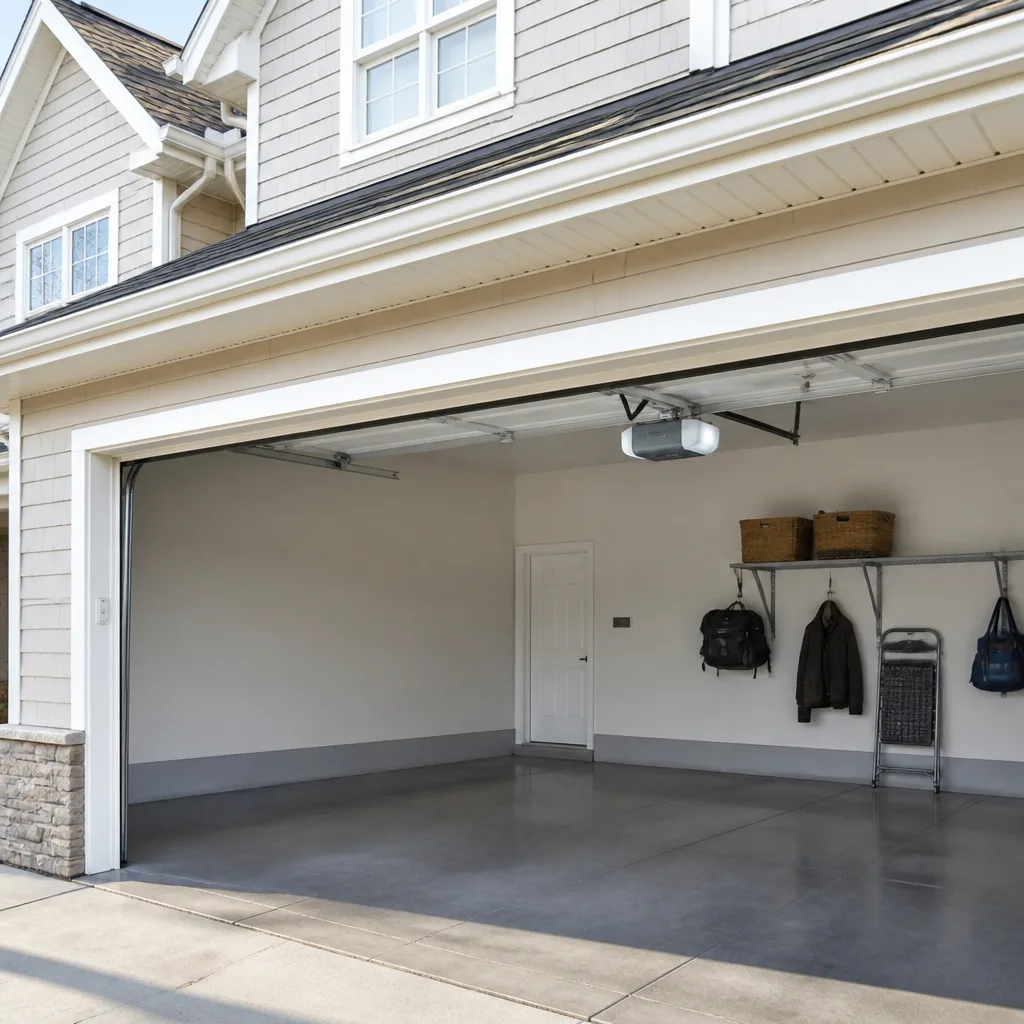 Chamberlain openers
Full 25-point door and opener safety check with every visit - springs, cables, rollers, tracks, and your LiftMaster or Chamberlain opener included
You get a price before we start. It does not change when the pro arrives.
Get your free estimateGarage Door Permits, Codes & Inspections in Dunedin, FL: What You Need to Know
Most homeowners assume a garage door is a fixture, not a building component subject to code review. That assumption is where trouble starts in Dunedin. A door replacement is a structural change to an opening that has to resist wind, and in Florida that means paperwork, an inspection, and a signed-off permit before the job is truly finished. The line between a repair that needs no permit and an alteration that absolutely does is more specific than “replacement versus fix,” and getting it wrong can surface years later at closing or after a storm. This guide walks through when a permit applies in Dunedin, what inspectors check, how long review takes, and what to do if work was done without one.
Quick Answer
In Dunedin, a full garage door replacement, a change to the door’s size or opening, and any structural work on the header or tracks that supports the door generally require a permit through Pinellas County, while like-for-like repairs such as a spring, cable, roller, or opener swap usually do not. The permitted work must meet Florida Building Code wind-load requirements for the area’s wind zone, and the job isn’t complete until it passes inspection. When in doubt, ask the county building department before work begins, not after.
Styles & brands we work with
- Raised-panel steel
- Carriage house
- Modern flush
- Full-view glass
- LiftMaster openers
- Chamberlain openers
Table of Contents
- Which Garage Door Projects Need a Permit in Dunedin?
- How Florida Building Code Wind-Load Rules Apply to Your Door
- What a Pinellas County Inspector Actually Checks
- How Long Permit Approval and Inspection Take
- What Unpermitted Work Means for a Dunedin Home Sale
- How to Retroactively Permit an Existing Installation
- What Permits and Inspections Typically Cost
- Common Mistakes to Avoid
- When to Call a Professional
Which Garage Door Projects Need a Permit in Dunedin?
The simplest way to think about it: a repair restores the door you already have, and an alteration changes something regulated. Pinellas County draws the line there, and Dunedin properties follow the county’s review process. If your door panel is dented and you’re swapping a section back to the same size and model family, that’s typically a repair. If the opening itself changes, or the door goes in where there wasn’t one, expect a permit.
Here’s how the split usually falls:
- Permit typically required: full door replacement with a new door or a different model, any change to the rough opening dimensions, replacement of the header or structural framing above the door, installation of a door in a new opening, and conversion of a carport opening into a closable garage.
- Permit typically not required: spring replacement, cable and drum service, roller and hinge swaps, track realignment that doesn’t alter the opening, weather seal replacement, and opener repair or like-for-like opener replacement.
- Ask first: adding a second door, changing from a single door to a double, replacing a door with a substantially heavier model, or reinstalling a door after storm damage where the framing may also need work.
One more wrinkle catches people in Dunedin: replacing an opener with a different type, such as moving from a chain drive to a belt drive, is generally not a permit item, but running new electrical circuits for it can be. That’s an electrical permit question, not a garage door one, and it’s worth a call to the building department if new wiring is involved.
If you’re unsure which side of the line your job sits on, the free estimate is the right moment to ask. A technician who looks at the door in person can tell you whether the work is a swap or a change, and that answer determines everything else in this guide.
How Florida Building Code Wind-Load Rules Apply to Your Door
Florida Building Code Chapter 16 governs wind loads on building components, and a garage door is one of the largest and most vulnerable openings on a house. Dunedin’s wind zone designation sets the design pressure the door and its anchorage must resist, and a permitted installation has to demonstrate that the door you’re buying is rated for that pressure and installed with the right fasteners and reinforcement.
What that means in practice for a Dunedin homeowner:
- The door has a rating. Manufacturers publish design pressure ratings for their doors, and the rating has to meet or exceed what the code requires at your location. A door bought off a truck without documentation may not qualify.
- The anchorage matters as much as the door. The jamb brackets, track fasteners, and header attachment are part of the wind-load system. A rated door hung on undersized anchors doesn’t meet the intent of the code.
- The label stays with the door. Look for the manufacturer’s rating label or documentation. Inspectors and future buyers both want to see it.
We work with Amarr and Wayne Dalton doors regularly, and both publish the wind-load documentation your permit application will need. The brand matters less than the paperwork: any of the major manufacturers can supply a rated door for this area, but the model has to be specified correctly for Dunedin’s requirements before it’s ordered.
This is also why an unpermitted replacement is riskier than it looks. A door that was never reviewed has no paper trail showing it meets the wind-load requirement, and that gap can matter when an insurer or a buyer’s inspector asks questions later. For the repair side of this topic, our garage door repair page covers the work that doesn’t involve structural change.
What a Pinellas County Inspector Actually Checks
A garage door inspection is shorter than most homeowners expect, but it’s specific. The inspector is confirming that what was installed matches what was permitted and that the wind-load requirements are met. Here’s the general shape of it:
- The permit and approved plans. The inspector compares the installed door and hardware to the documentation on file. A different model or size than what was approved is a common reason for a failed inspection.
- Wind-load labeling. The door’s rating label or manufacturer documentation is checked against the design pressure required for the location.
- Anchorage and attachment. Fasteners, brackets, and the connection to the framing are examined. Undersized or missing anchors are a fail.
- Track and hardware installation. The tracks should be plumb and secure, and the door should operate without binding.
- Safety features. If an opener is part of the permitted scope, the photo-eye safety system and the reversal function are checked.
What the inspector is not doing is a full mechanical tune-up. They won’t adjust your springs or diagnose a noisy opener. That’s the trade’s job, which is why the installation and the inspection are two separate events with a gap between them. The door has to be finished and operational before the inspector arrives.
In our experience, the failures we hear about come down to two things: the installer substituted a door or hardware that didn’t match the approved documents, or the anchorage wasn’t done to the rated detail. Both are avoidable with a written scope agreed before the job starts. If your opener is the piece causing trouble rather than the door, garage door opener repair is a separate service with its own diagnosis.
How Long Permit Approval and Inspection Take
Timelines vary with county workload and how complete the submittal is, so treat any specific number as an estimate rather than a promise. That said, the process has a predictable shape:
- Application and submittal. The permit application goes in with the door specifications, wind-load documentation, and a description of the work. Incomplete submittals are the main cause of delay.
- Plan review. The county reviews the submittal against code requirements. Straightforward residential door replacements usually move faster than projects with structural changes.
- Permit issued. Once approved, work can begin. The door gets ordered and scheduled if it hasn’t been already.
- Installation. The door and hardware go in to the approved scope.
- Inspection. The inspector visits after the work is complete. Approval closes the permit.
The practical takeaway for planning: the permit and the door order run on parallel tracks, and the inspection is the last step, not the first. If you’re working toward a specific date, file early rather than assuming the county will turn a review around in a few days. Ask the building department for the current review window when you submit.
For a door replacement, the sequence is measure, order, permit, install, inspect. Skipping ahead to the install before the permit is issued creates a problem that costs more to fix than the permit did. If you’re still choosing a door, the brand and model you pick affects how fast the paperwork moves, because the specifications have to match what gets approved.
What Unpermitted Work Means for a Dunedin Home Sale
This is where an unpermitted garage door becomes expensive. When a Dunedin home goes on the market, the buyer’s inspector and the title search both have ways of surfacing permit history. A garage door replacement that never went through the county shows up as an alteration with no record, and that’s a question at the worst possible moment: after you’ve accepted an offer.
What can happen:
- The buyer asks for documentation. A door with no permit and no wind-load paperwork invites a request to prove it was installed correctly. You may not have an answer.
- The closing gets delayed. Permit research and retroactive approval take time, and a closing date doesn’t wait for the county.
- The negotiation shifts. A buyer who finds unpermitted work has leverage to ask for a credit or a price reduction, whether or not the work is actually fine.
- Insurance questions surface. If a storm claim ever involves the door, an insurer can ask whether the installation met code. A door installed without a permit has no record showing it did.
The insurance angle is the one people underestimate. Homeowners insurance is built around code compliance, and a claim involving a non-compliant component invites scrutiny. We can’t tell you how any specific insurer will handle a specific claim, and anyone who promises an outcome is guessing. What we can say is that a permitted, inspected installation gives you a documented answer, and an unpermitted one leaves you explaining.
Dunedin has a lot of older housing stock, and doors get replaced over the years without anyone thinking about permits. If you’re planning to sell, it’s worth checking the county’s permit records for your address before listing rather than after a buyer asks. A little research now is easier than a scramble during closing.
How to Retroactively Permit an Existing Installation
Yes, an existing garage door installation can generally be permitted after the fact, but it’s a different process than a standard permit and it puts the burden of proof on you. The county has to be satisfied that what’s already installed meets code, and that often means an inspection of work that’s already covered or finished.
The general path looks like this:
- Pull the permit history for the address. Confirm there’s no record of a permit for the door, so you know what you’re dealing with.
- Contact the county building department. Explain the situation and ask what they require for a retroactive or after-the-fact permit on a garage door. Requirements vary with the age and scope of the work.
- Gather documentation. The door’s make, model, and wind-load rating documentation are the core of it. If you don’t have the original paperwork, the manufacturer or a dealer may be able to help identify the door and supply ratings.
- Submit the application. The submittal describes the existing installation and demonstrates code compliance.
- Inspection. The inspector examines the installed door, anchorage, and labeling. If something doesn’t meet the requirement, it has to be corrected before the permit closes.
The cost question is honest but unsatisfying: retroactive permitting costs more than doing it upfront, because it involves research, possible corrections, and inspection of work that may need to be opened up or adjusted. The final number depends on what the county requires and whether the existing installation passes. Get the county’s requirements first, then a written estimate for any correction work, so you’re comparing complete numbers rather than guessing.
If the existing door turns out to be under-rated for the location or hung on inadequate anchors, the fix may be reinforcement or replacement rather than paperwork alone. That’s a conversation worth having with someone who works on doors every day.
What Permits and Inspections Typically Cost
Permit fees are set by the county and scale with the valuation of the work, so we won’t quote you a number that belongs to the building department. What we can do is break down the cost categories so you know what you’re budgeting for and which ones come from whom.
- Permit fee: set by Pinellas County based on the project valuation. Ask the building department for the current fee schedule for a residential garage door replacement.
- Door and installation: priced per job by written estimate from the installer, and the largest line in the budget.
- Engineering or documentation: some projects need product approval documentation or a wind-load calculation. Door manufacturers supply most of this, but confirm before ordering.
- Inspection: typically included in the permit process rather than billed separately, but confirm how the county handles reinspection if the first visit fails.
- Retroactive permitting: higher than a standard permit because of the research and possible correction work involved.
Our rule is simple on the labor side: the price is quoted and agreed before any work starts, and the written estimate sets the final price. That applies whether the job is a permitted replacement or a spring repair. If a quote you receive doesn’t separate the door, the labor, and the permit responsibility, ask for it in writing. Ambiguity about who’s filing the permit is one of the most common sources of trouble on a Dunedin replacement.
For the most common repair in this trade, our garage door spring repair page covers what that work involves and how it’s priced. Spring work is generally a repair, not a permit item, and it’s also the most dangerous component on the door, so it’s not a job to attempt yourself.
Common Mistakes to Avoid
- Assuming a replacement doesn’t need a permit because it’s “just a door.” A full replacement is an alteration to a rated building component, and in Dunedin that generally means a permit. The exception is a like-for-like repair, not a new door.
- Ordering the door before checking the permit requirements. If the approved scope specifies a certain wind-load rating and the door doesn’t match it, you’re stuck with a door that won’t pass inspection. Confirm the requirements first.
- Letting the installer and the permit be separate conversations. Someone has to file the application and someone has to be present for the inspection. If neither the homeowner nor the installer owns that task, it doesn’t happen.
- Losing the wind-load documentation. The rating label and product paperwork are what prove compliance. Keep them with your home records, the same place you keep the survey and the insurance policy.
- Ignoring permit history before selling. A Dunedin home with an unpermitted door replacement will surface the issue at the worst time. Check the county’s records before you list, not during closing.
- Treating a failed inspection as a small thing. A failed inspection means corrections and a reinspection, and the permit stays open until it passes. That’s a schedule problem on top of a scope problem.
- Attempting spring or cable work to avoid the process. Springs and cables are under extreme tension and can cause serious injury. That work belongs to a trained technician regardless of permit status.
When to Call a Professional
Call a professional when the project crosses from repair into alteration, when you need wind-load documentation for a permit submittal, when an inspection has failed and corrections are required, or when you’re dealing with an existing installation and don’t know its permit status. Those are all situations where the answer depends on the specific door, the specific opening, and what the county has on file.
Call us when the door itself stops working. A snapped spring, a cable that’s come off a drum, an opener that runs but doesn’t lift, or a door stuck open and leaving the house exposed are all jobs for a technician, not a permit office. Springs and cables carry serious tension and shouldn’t be touched without training and the right tools.
Garage Door Repair Dunedin offers free estimates in Dunedin. Call (877) 492-3256. We answer 24/7, with fast dispatch from 7am to 7pm, Sunday through Friday. Our technicians have up to 8 years of experience and work on doors from Amarr, Wayne Dalton, Craftsman, Raynor, and the other major brands, so they know what your system needs rather than guessing at it. Same-visit diagnosis and repair is the goal on every call, and the price is agreed before any work begins.
See the difference
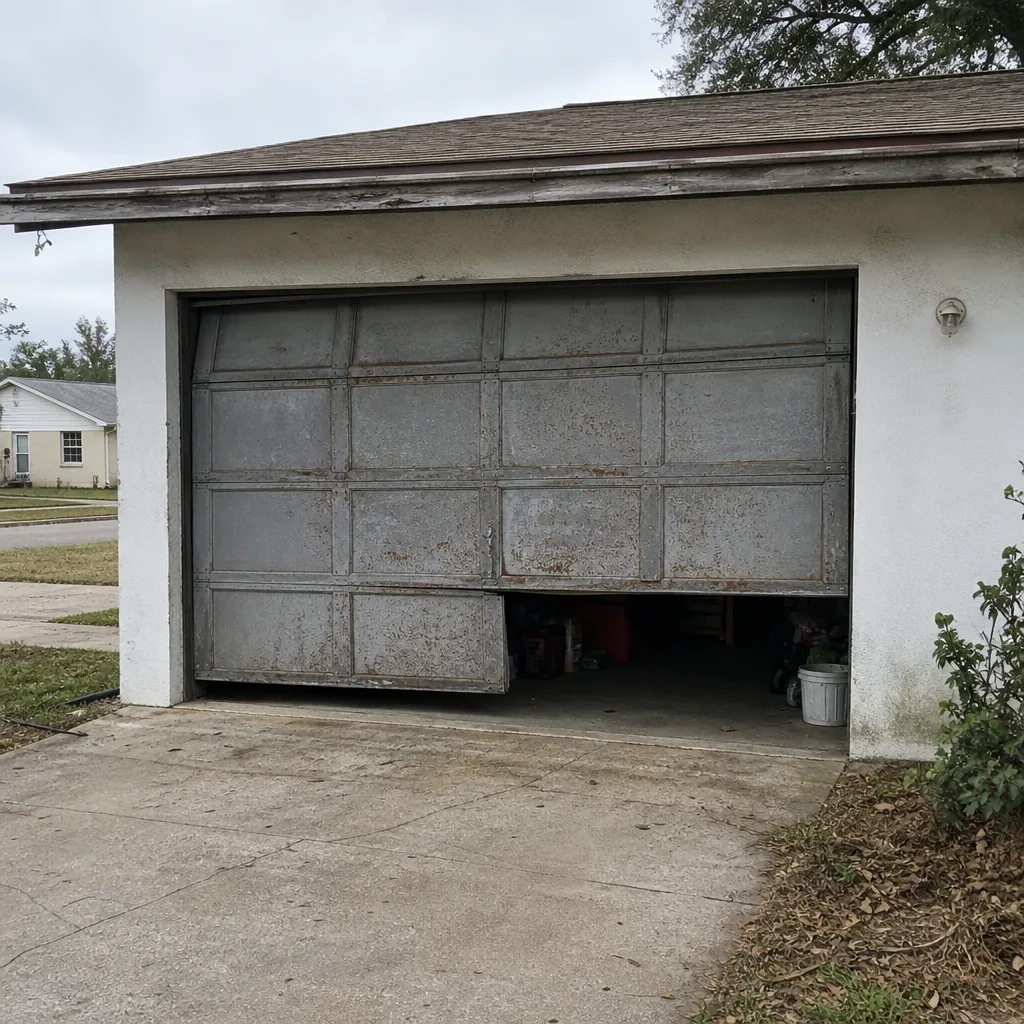 Before
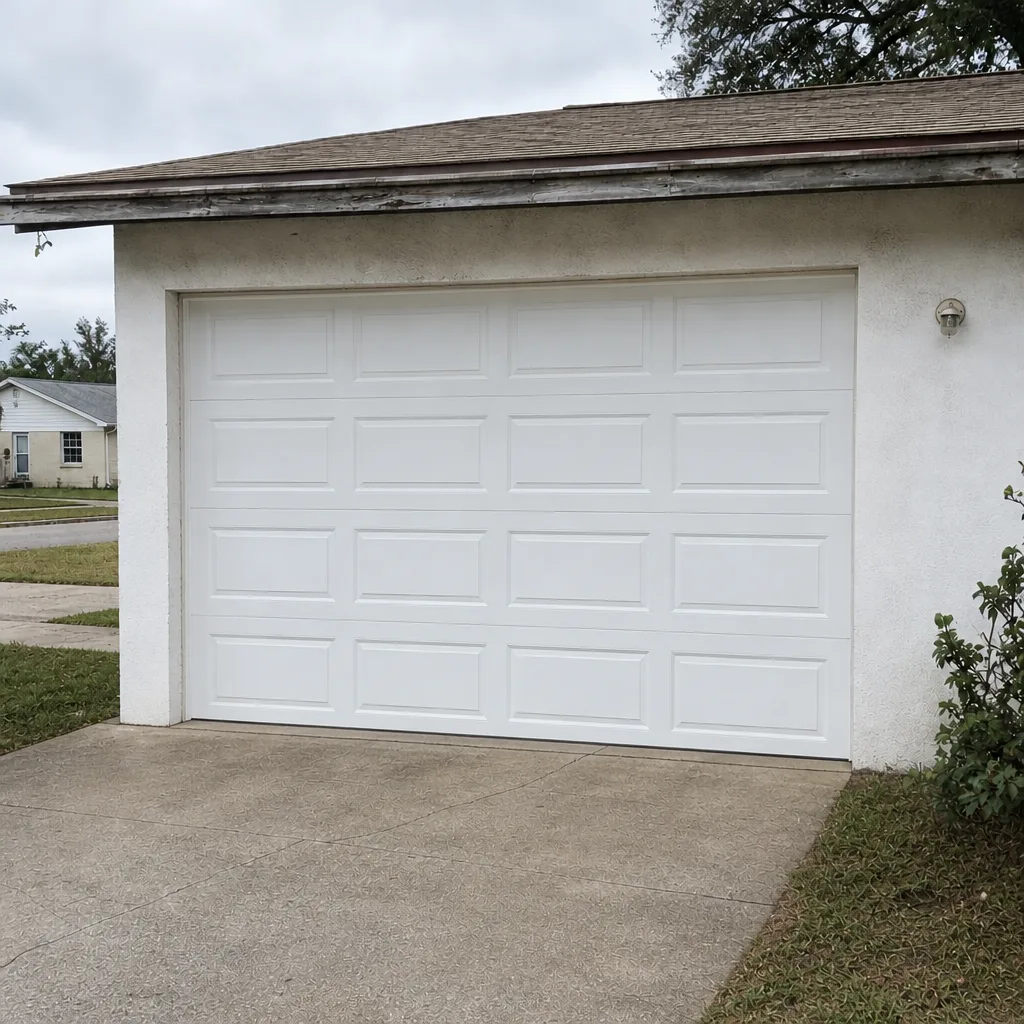 After
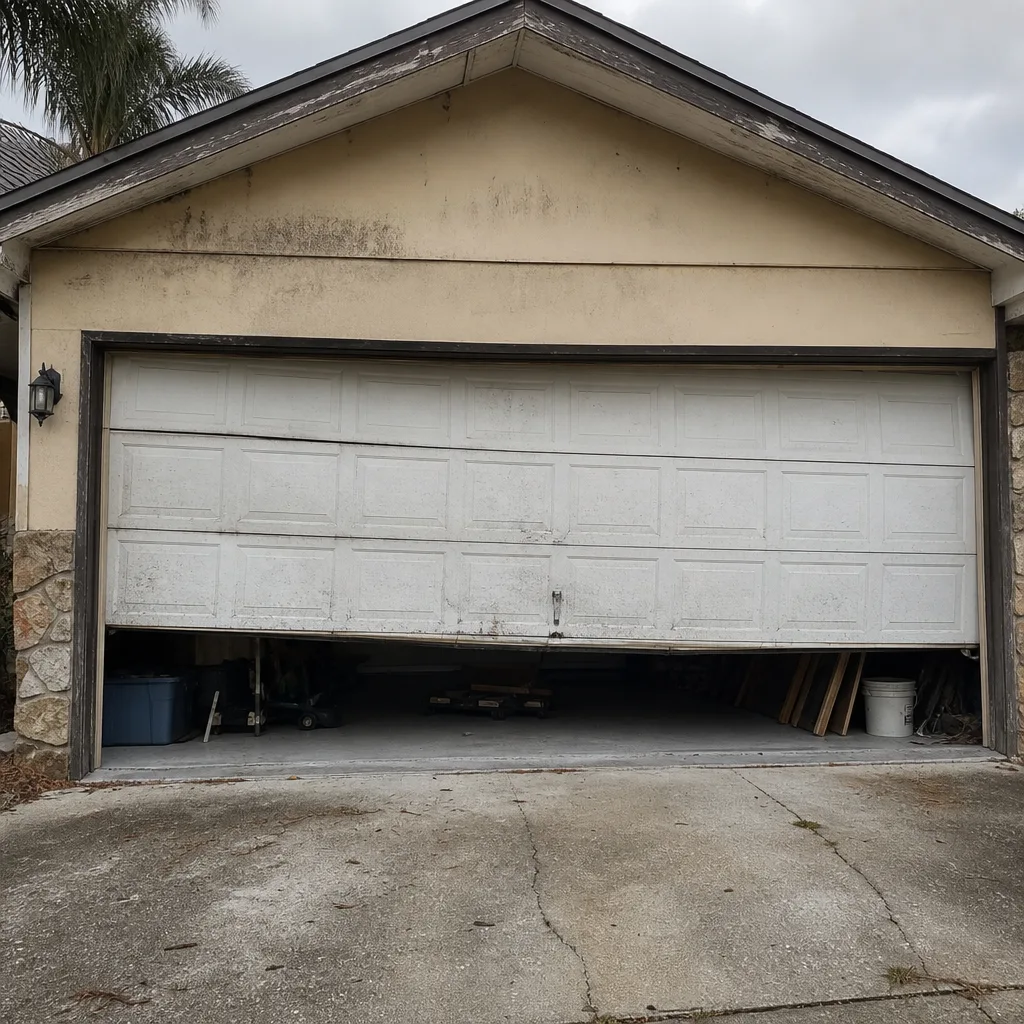 Before
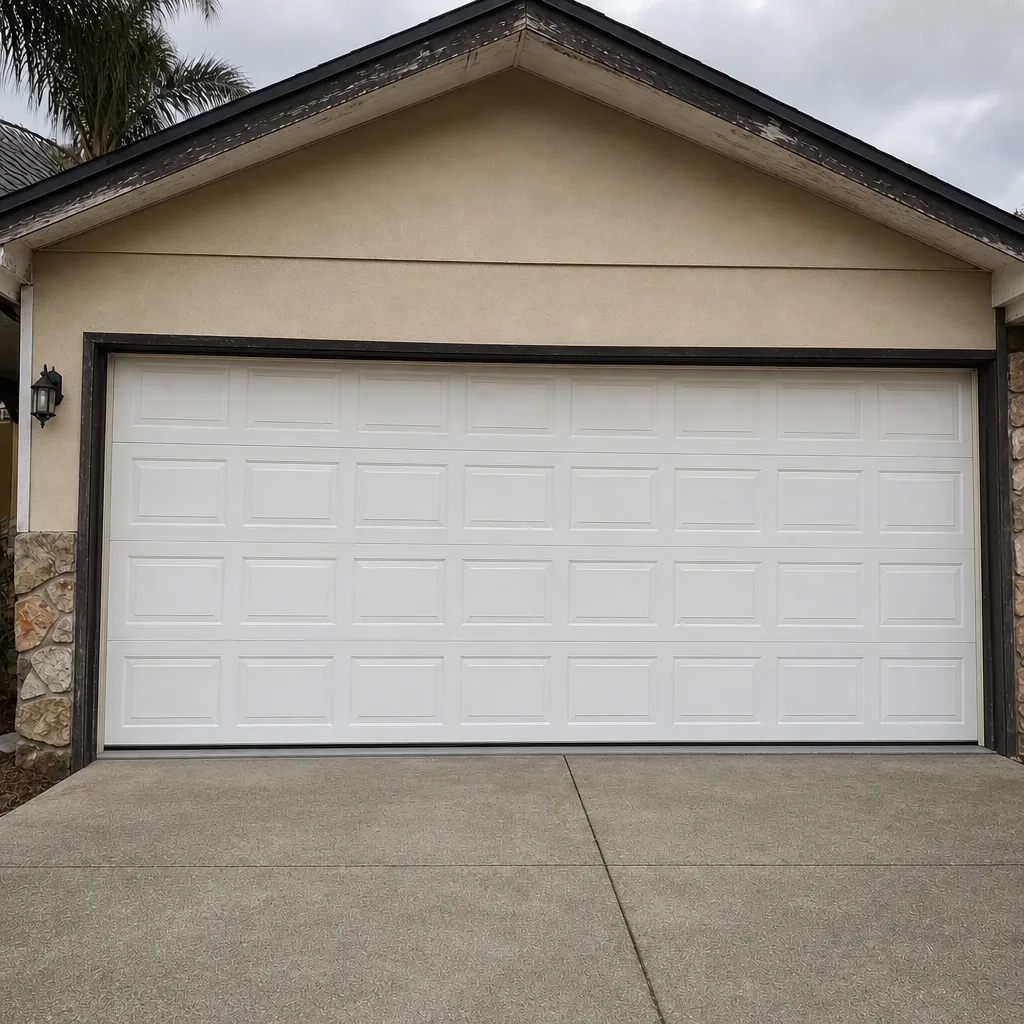 After
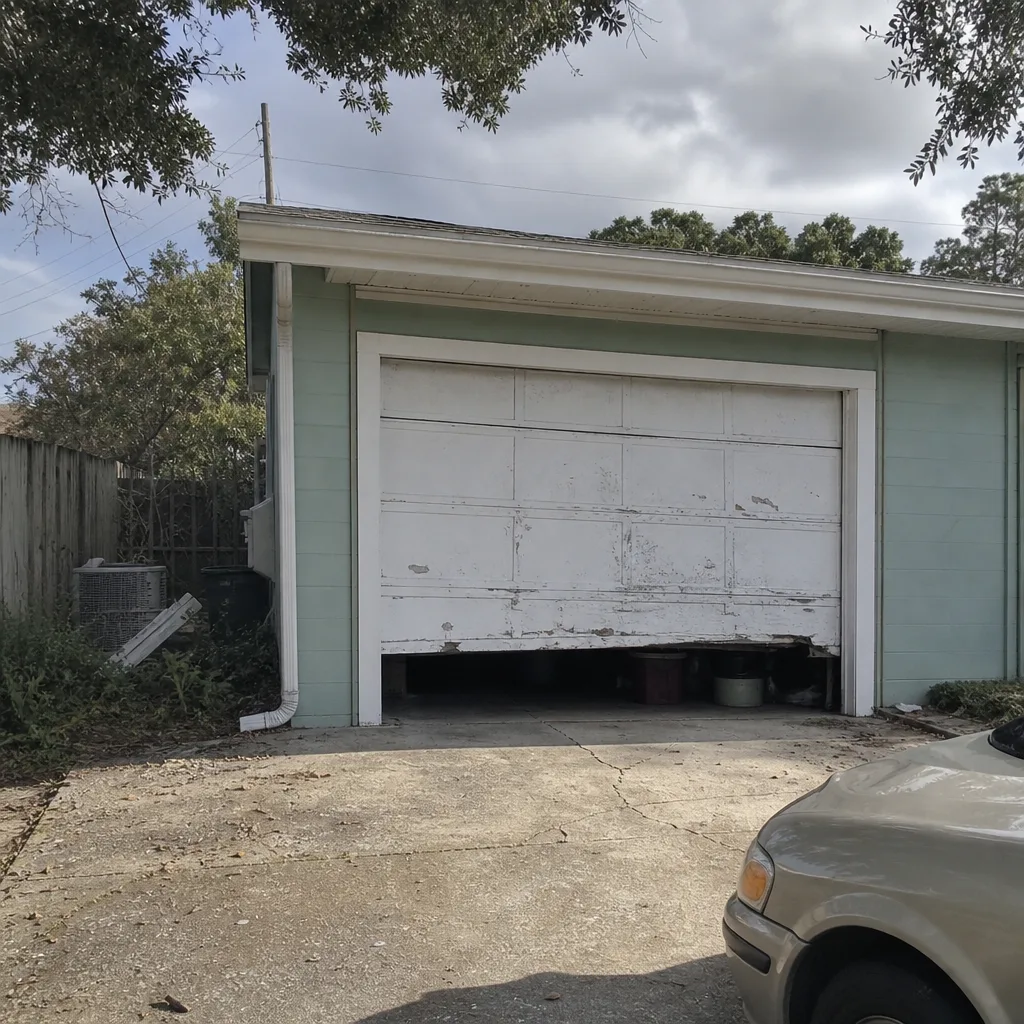 Before
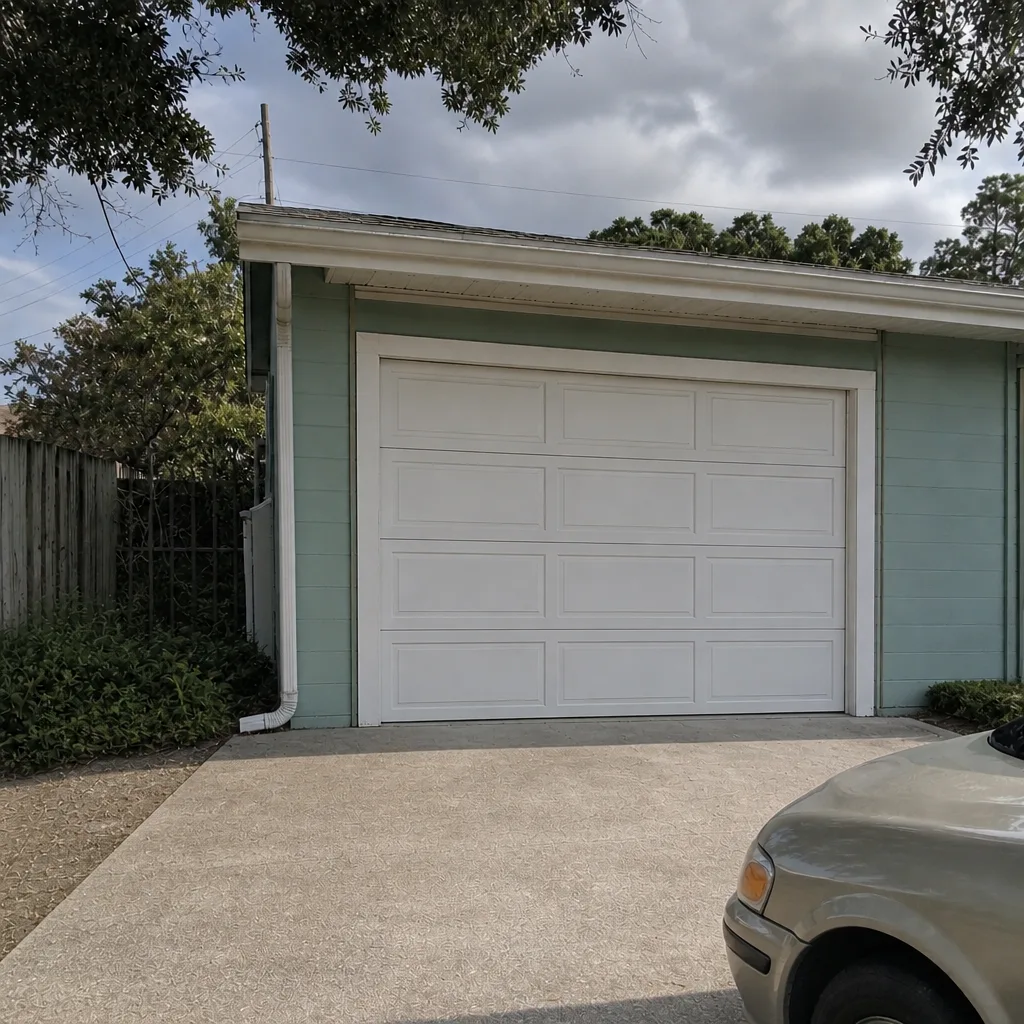 After
Frequently Asked Questions
Usually yes. A full garage door replacement is an alteration to a rated building component and generally requires a permit through Pinellas County, with the door meeting Florida Building Code wind-load requirements for the location. Like-for-like repairs such as spring, cable, roller, or opener service typically don’t need one. Call (877) 492-3256 for an exact quote on your door – estimates are free.
No, spring replacement is normally a repair and doesn’t trigger a permit requirement. It is still the most dangerous job on the door, because the springs hold the door’s weight under high tension, so it belongs to a trained technician. Our garage door spring repair team handles it as a standalone specialty. Call (877) 492-3256 to book an estimate.
Nothing happens automatically, but the gap surfaces at the worst times: during a home sale, during an insurance question after a storm, or when you need documentation you don’t have. The fix is a retroactive permit, which requires proving the existing installation meets code. Ask the county what they require, then get a written estimate for any correction work. Call (877) 492-3256 and we’ll tell you what the door needs.
It varies with county workload and how complete the submittal is, so ask the building department for the current review window when you file. Incomplete applications are the main cause of delay, and a submittal with correct wind-load documentation moves faster. If you’re planning a replacement and working toward a date, file early rather than assuming a quick turnaround. Call (877) 492-3256 for a free measure and a written price.
We’re closed Saturday. We’re open Sunday through Friday, 7am to 7pm, and installation work is measured, ordered, and scheduled rather than same-day, so the permit and the door are both lined up before we arrive. Call (877) 492-3256 to set up a free measure and a written estimate.
No, the price is quoted and agreed before any work starts, and the written estimate sets the final price. What can change the scope is something the estimate didn’t cover, like a permit requirement or a hidden framing problem, and we’ll talk through that with you before proceeding rather than after. Call (877) 492-3256 for an exact quote – estimates are free.
The local professional who performs the work is licensed and insured as Florida requires. We connect you with vetted local pros, and the technicians have up to 8 years of experience working on doors from Amarr, Wayne Dalton, Craftsman, Raynor, and the other major brands. Call (877) 492-3256 with any questions before booking.
The Bottom Line
A garage door permit in Dunedin isn’t bureaucracy for its own sake. It’s the mechanism that confirms your door meets Florida’s wind-load requirements and that the installation was done to a documented standard. Full replacements, changes to the opening, and structural work generally need one; springs, cables, rollers, and opener service usually don’t. The permit and the inspection are the last steps, not the first, so plan the sequence early. If work was done without one, a retroactive permit is possible and worth handling before a sale rather than during one. Keep the paperwork, keep the door maintained, and when the door itself fails, that’s a technician’s job. For any of it, Garage Door Repair Dunedin is a call away at (877) 492-3256.
Written by the team at Garage Door Repair Dunedin.