
Last updated November 22, 2026
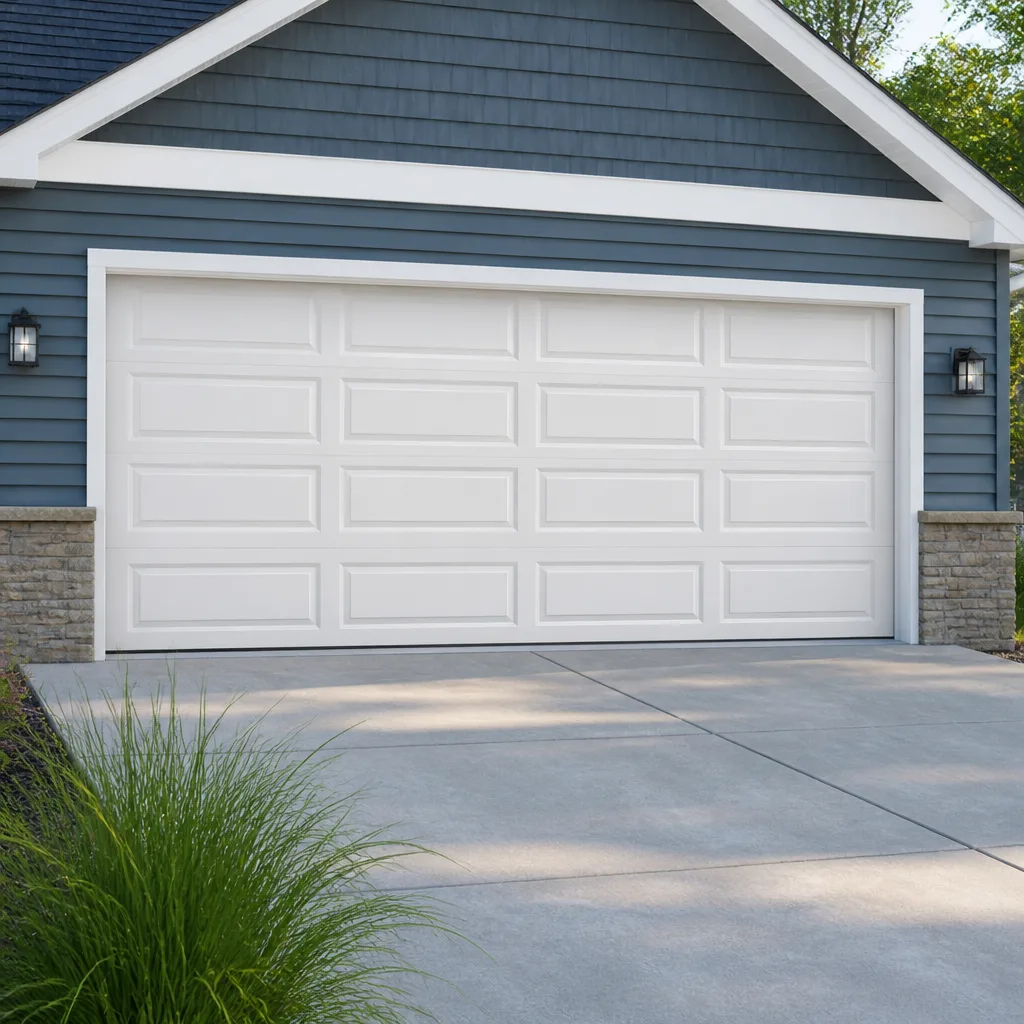 Raised-panel steel
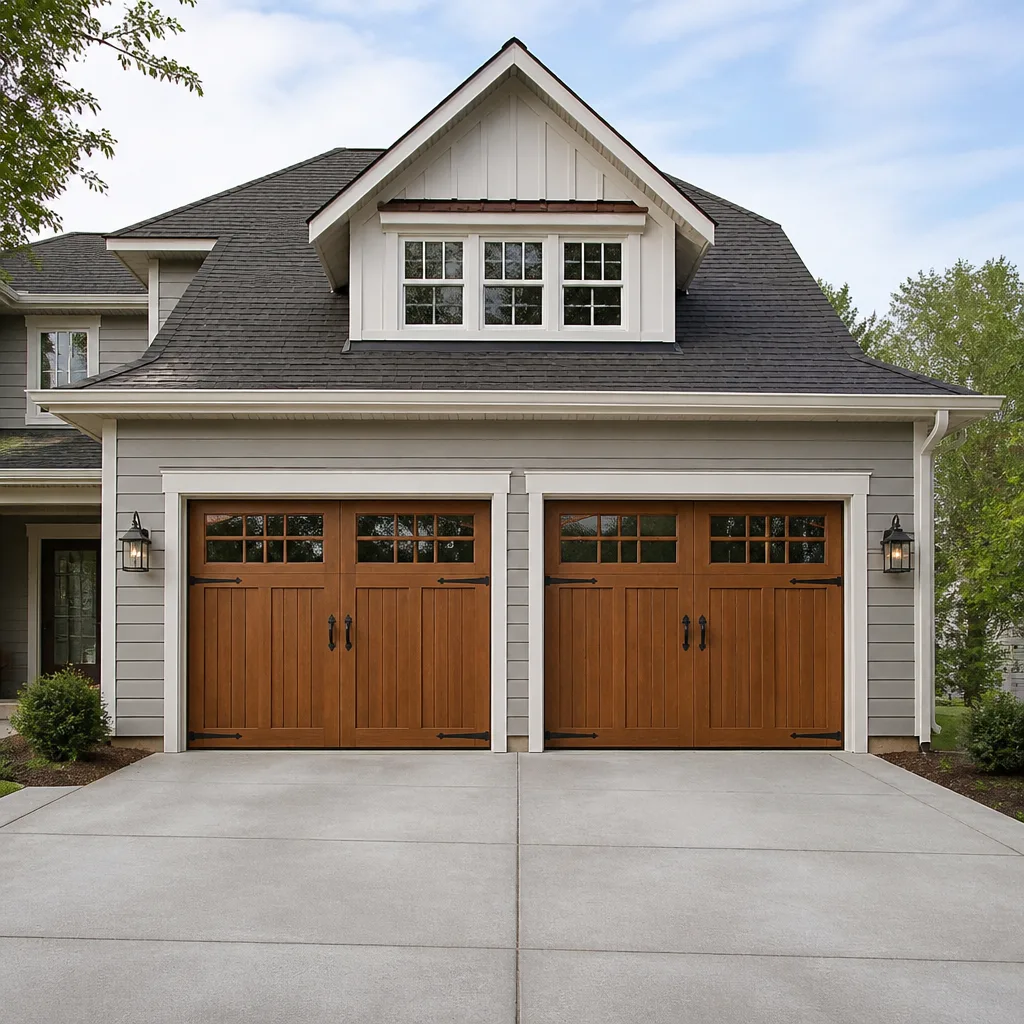 Carriage house
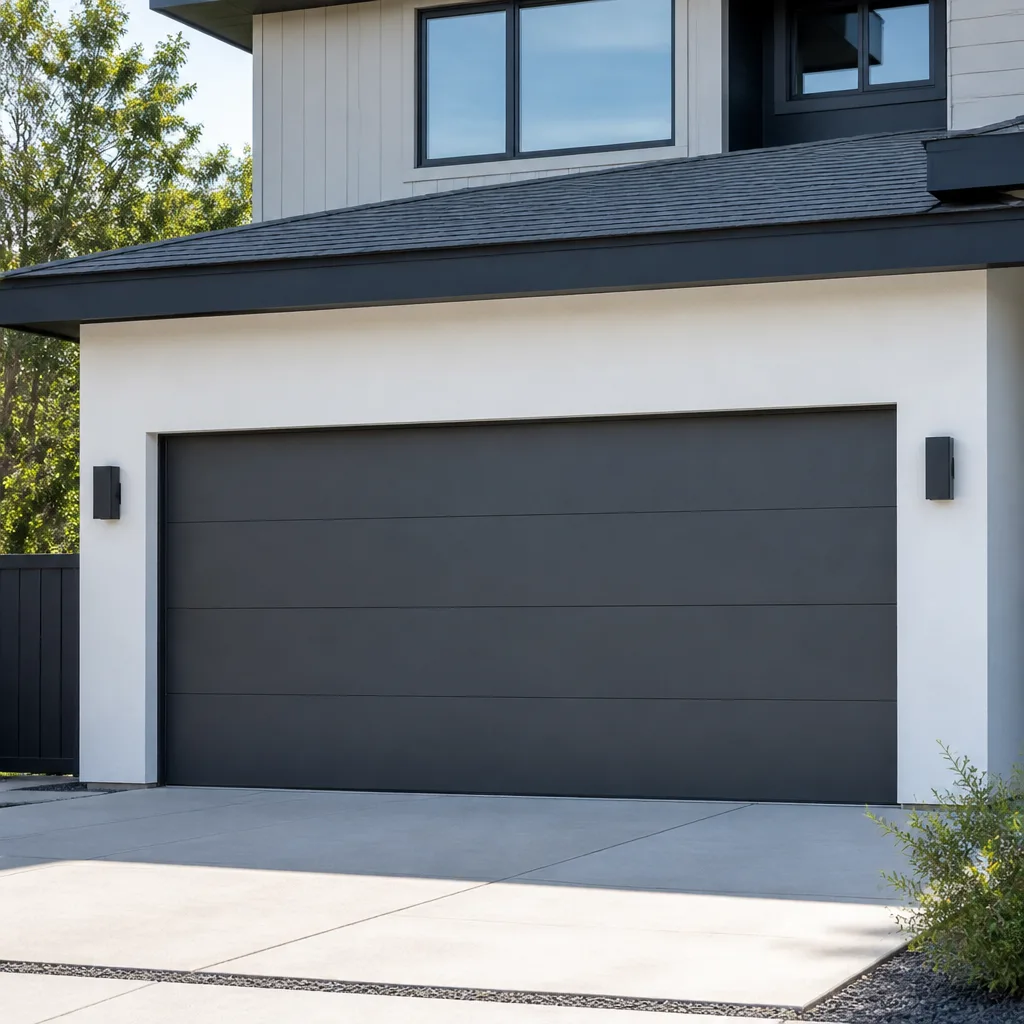 Modern flush
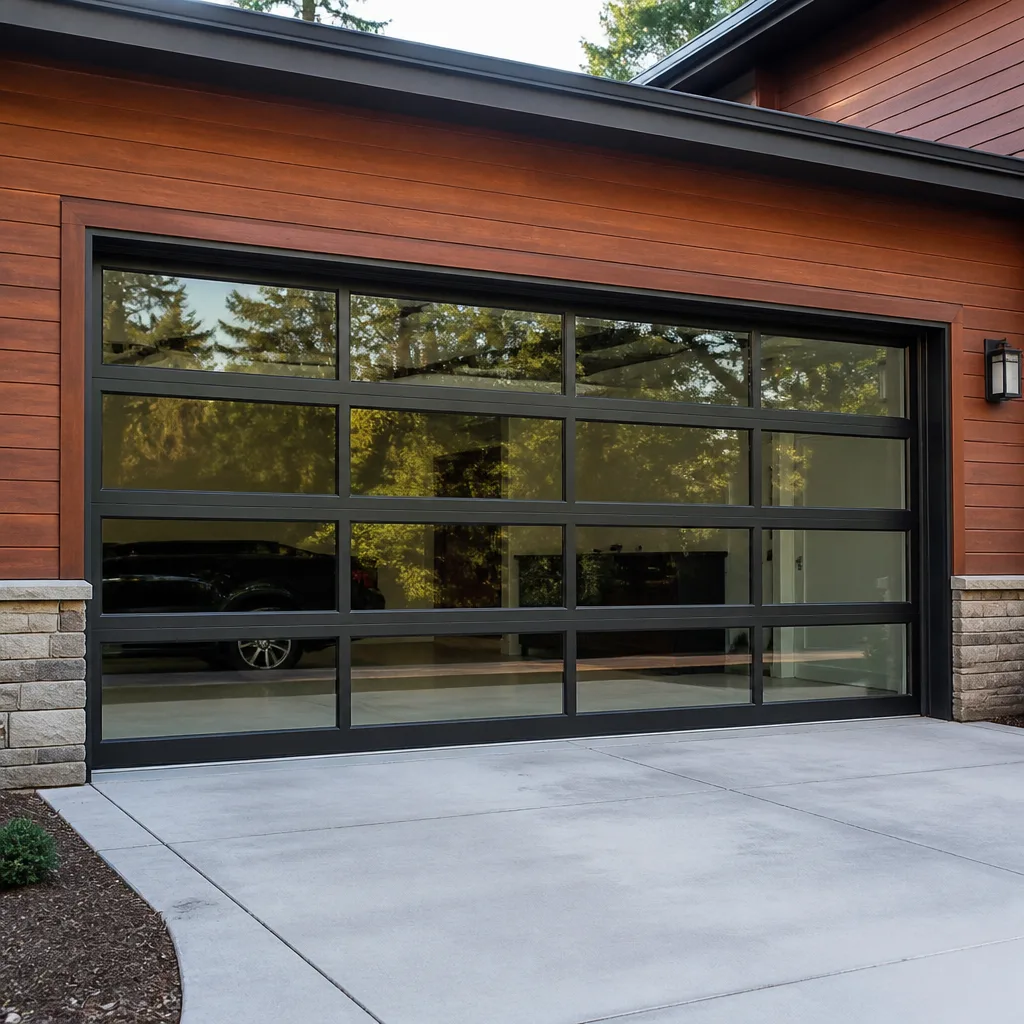 Full-view glass
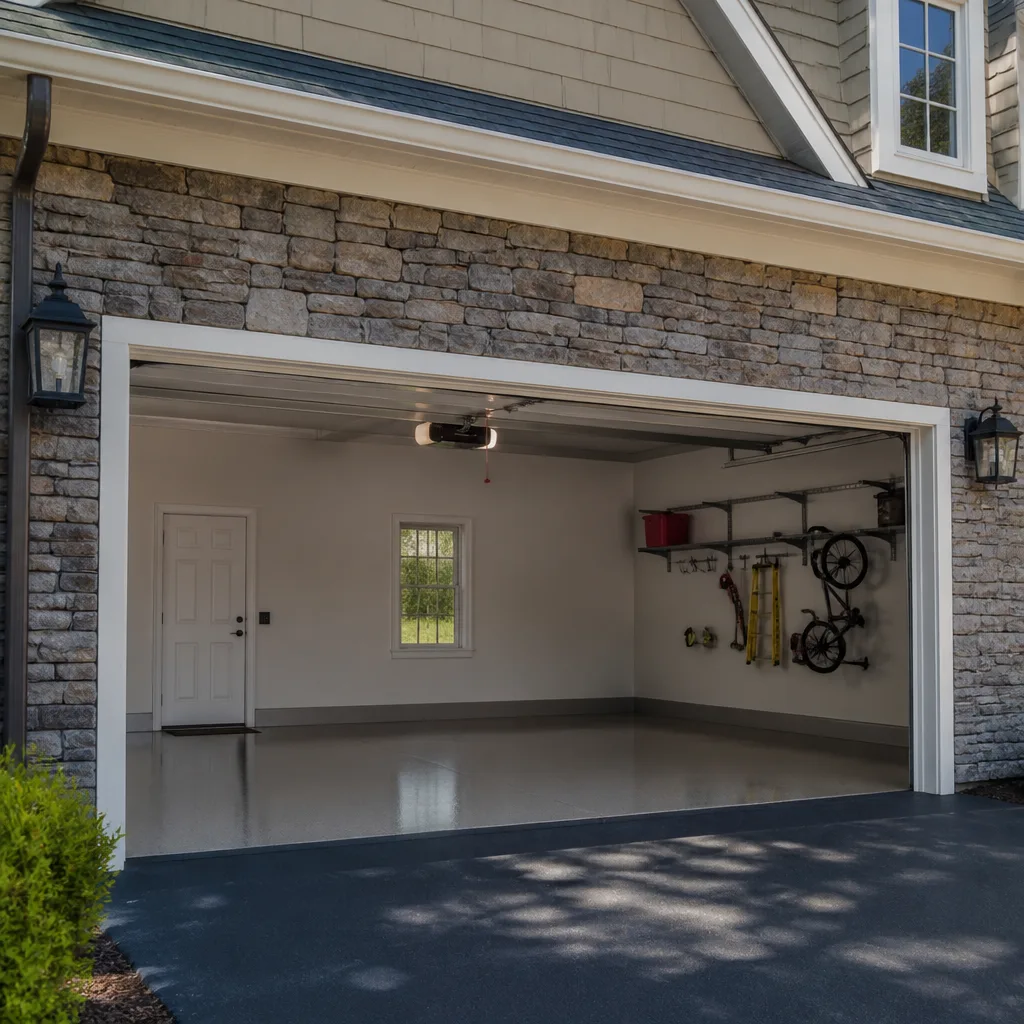 LiftMaster openers
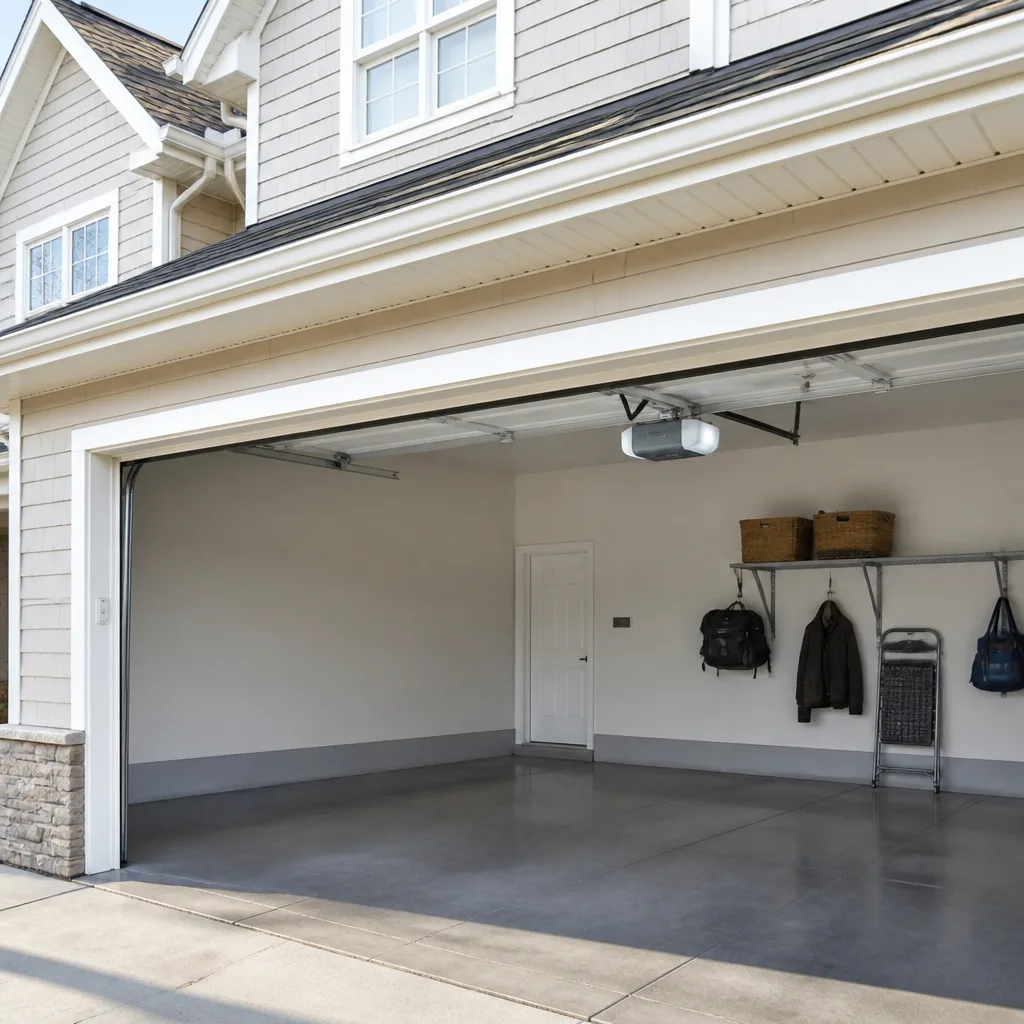 Chamberlain openers
Full 25-point door and opener safety check with every visit - springs, cables, rollers, tracks, and your LiftMaster or Chamberlain opener included
You get a price before we start. It does not change when the pro arrives.
Get your free estimateHow to Hire a Garage Door Contractor in Dunedin: A Step-by-Step Guide
The biggest hiring mistake Dunedin homeowners make usually isn’t picking a bad contractor. It’s picking a good one who does the wrong kind of work. A five-star handyman with a great reputation can still be the wrong call for a garage door, because a garage door is not a general carpentry job. It’s a tensioned mechanical system, and in Dunedin it also has to answer to Florida wind-load rules, local permitting, and a humid, salt-laden environment that punishes the wrong hardware. This guide walks you through screening for genuine specialist experience before anyone shows up with tools, so your finished job holds up for years instead of seasons.
Quick Answer
Hire a garage door contractor in Dunedin by verifying three things before you sign anything: that the contractor is licensed and insured in Florida, that they ask about wind-load and hurricane-code compliance on their own initiative, and that they measure your opening in person before quoting. The best sign of a real specialist is that they can name the exact hardware brands they install (Clopay, Amarr, Wayne Dalton, and others) and explain why those parts suit a humid coastal climate. If a contractor can’t do all three, keep looking.
Styles & brands we work with
- Raised-panel steel
- Carriage house
- Modern flush
- Full-view glass
- LiftMaster openers
- Chamberlain openers
Table of Contents
- Why Dunedin Garage Door Hiring Is Different
- The Three Florida License and Insurance Requirements to Verify
- Wind-Load Ratings and Hurricane Code: The Specialist Test
- How to Compare Quotes When Contractors Spec Different Hardware
- Red Flags Unique to the Dunedin Market
- What a Legitimate Warranty Looks Like in Florida
- The Step-by-Step Hiring Process
- Questions to Ask Before You Commit
Why Dunedin Garage Door Hiring Is Different
A garage door in Dunedin lives a harder life than the same door in a dry, inland climate. The air here is humid year-round, the sun is strong, and the wind events that roll through Pinellas County put real structural demands on a door and its track. Those conditions change what “a good job” means. A door that performs fine for two decades somewhere else can wear out fast here if it’s hung with the wrong springs, the wrong rollers, or a panel that isn’t rated for the wind pressure your opening actually sees.
Dunedin’s housing stock makes this more complicated, not less. The city has a wide spread of home ages, from mid-century block homes with shallow single-car openings to newer construction with wider doors and heavier panels. Older homes in neighborhoods like Dunedin Isles or around Edgewater often have openings that were framed decades ago, before anyone worried much about wind rating. A contractor who works here regularly knows to check the framing, the header, and the track anchoring before recommending a door, because a heavy insulated panel bolted to marginal framing is a problem waiting to happen.
That’s why the screening questions in this guide lean so heavily on local conditions. You’re not just checking whether a contractor is competent. You’re checking whether their competence was built in a place that resembles Dunedin, with the same humidity, the same storm exposure, and the same permitting landscape.
The Three Florida License and Insurance Requirements to Verify
Before you compare a single price, verify three things. Ask for all three in writing and don’t accept a verbal yes.
- State licensure that covers the work. Florida licenses contractors at the state level, and garage door installation and repair generally falls under licensed specialty or general contracting categories depending on the scope. Ask the contractor to state their license type plainly and confirm it covers installation, not just repair. If they hedge or say “we’re licensed” without saying as what, ask again. A legitimate contractor answers this without friction.
- General liability insurance, with proof. Ask for a certificate of insurance and check that the policy is current and that the coverage amount is realistic for structural work. The certificate should name the business you’re hiring, not a different entity. If a contractor can’t produce one on request, that’s your answer.
- Workers’ compensation coverage. If anyone other than the owner will be on your property, workers’ comp matters. Without it, an injury on your job can become your problem. This is one of the most commonly skipped checks, and one of the most important.
A fourth item isn’t strictly a license, but it functions like one: local business tax receipt or registration for the municipality where the work happens. In Dunedin, work inside city limits may have local requirements on top of state rules, and a contractor who works here habitually already knows how that works. When in doubt, call the City of Dunedin’s building department and ask what a garage door replacement requires for your address. It’s a two-minute call that tells you a lot.
Wind-Load Ratings and Hurricane Code: The Specialist Test
Wind-load rating is the single fastest way to separate a garage door specialist from a generalist. In Florida, garage doors are evaluated for the wind pressure they can withstand, and the required rating depends on your home’s location and construction. A specialist brings this up before you ask. A generalist often doesn’t know it exists.
Here’s how to run the test in conversation. Ask whether the door they’re proposing has a wind-load rating, and what that rating is. Ask whether the door and its reinforcement system are rated as an assembly, not just the panel. Ask what happens to the rating if the track is anchored the way it currently is. The answers matter more than the confidence behind them.
A specialist will also talk about the reinforcement hardware that comes with a rated door: the vertical stiffeners, the heavier gauge track, the specific anchor pattern. Generalists and big-box installers who treat garage doors as a side job tend to gloss over this because they don’t order or install reinforcement systems regularly. When technicians work almost exclusively on garage doors, they know how these assemblies go together and why the anchor pattern matters in a wind event.
We work on equipment from Clopay, Amarr, Wayne Dalton, and a handful of others, and each brand approaches wind reinforcement differently. LiftMaster and Chamberlain openers each have their own mounting and force-setting quirks too. A contractor who names the brand they’re installing and can talk about its specific rating approach is telling you something real about their depth.
How to Compare Quotes When Contractors Spec Different Hardware
The lowest bid is usually the highest cost over a decade, and the reason is almost always hardware grade. Two quotes for “a new garage door” can describe wildly different products. One uses a steel-gauge panel with a basic finish and nylon rollers; the other uses a thinner panel with a lighter coating and plastic rollers that will flat-spot within a couple of years in this humidity. Same words on paper, very different doors.
To compare fairly, put the quotes side by side on these points:
- Panel gauge and construction: Ask for the steel thickness in gauge and whether the panel is insulated. Thinner panels flex more and fail faster.
- Finish and corrosion protection: In humid air, the coating on the steel matters. Ask how the panel is finished and how the hardware is protected.
- Hardware brand and grade: Hinges, rollers, and springs should be named. A contractor who can’t name them is buying whatever is cheapest that week.
- Spring type and cycle rating: Springs are rated in cycles, which is how many open-close cycles they’re built for. Higher-cycle springs cost more up front and last years longer. A quote that doesn’t mention spring rating is hiding something.
- Opener model and horsepower: If an opener is included, get the exact model. “A new opener” is not a specification.
- Track and anchoring: Ask whether track and anchor hardware is included and whether it’s sized for the door’s weight.
Once the specs line up, the prices become comparable. If one quote is far below the others and the specs are vague, the reason is in the vague specs. Ask the contractor to itemize what they’re installing, brand by brand, and watch what happens.
Red Flags Unique to the Dunedin Market
Some hiring red flags are universal. These are the ones that show up specifically when you’re hiring garage door work in Dunedin and the surrounding Pinellas County area.
- They don’t mention permitting. A garage door replacement often requires a permit and an inspection, and the exact requirement depends on your address. A contractor who waves off permits entirely is telling you they either don’t know the local process or don’t want the scrutiny. Ask them directly what the permitting process will be for your job.
- They can’t name the hardware brand. Ask what brand of spring, hinge, or opener they’re installing. Vague answers like “the standard one” mean they’re sourcing by price, not by suitability. This is a big tell in a humid climate, where hardware grade determines how long the door stays quiet and true.
- They quote without measuring. A phone quote or an emailed price without an in-person measurement of the opening, the track, and the framing is a placeholder, not an estimate. Doors get ordered wrong this way. Insist on a free on-site measure before any order is placed.
- No local track record you can check. A contractor who does garage door work in Dunedin regularly should have references in Pinellas County you can call. Ask for two and actually call them.
- Warranty promises that evaporate into boilerplate. “Lifetime warranty” with no document behind it means nothing. Ask for the warranty language in writing and read what’s covered versus what’s excluded.
- Pressure to decide today. Garage door work is scheduled, measured, and ordered. A contractor pushing you to sign on the spot is creating urgency that doesn’t exist in this trade.
What a Legitimate Warranty Looks Like in Florida
A real warranty is a written document with named coverage periods for parts and for labor, separate from each other. Before you commit, ask for the actual warranty language and read these parts carefully.
- Parts coverage: Manufacturer warranties on panels, springs, and openers typically run for different periods. Get each one in writing, and confirm whether the warranty is registered to you or to the contractor.
- Labor coverage: This is where cheap quotes hide. Ask how long labor is covered after installation and what triggers a covered callback versus a billable visit. A contractor who can describe this clearly has done it many times.
- What voids coverage: Read the exclusions. Watch for language that voids the warranty if anyone else services the door, or if the door is adjusted by the homeowner.
- Who honors it: Confirm the warranty follows the door if you sell the house, and confirm exactly who you call when something fails.
Boilerplate language that promises “satisfaction” without a named period, a named contact, or a named process isn’t a warranty. It’s a sentence. In a climate that stresses doors year-round, the difference between a real warranty and a sentence is the difference between a fix and a bill.
The Step-by-Step Hiring Process
Here’s the sequence that keeps you out of trouble, from the first search to the first open-close cycle.
- Define the job. Write down whether you need a repair, a replacement, or a full new installation, and what the door is doing. If the door is stuck, binding, or making a new noise, take a short video. Contractors can diagnose faster with that.
- Shortlist three specialists. Prioritize contractors whose work is specifically garage doors, not general handyman work with doors as a sideline. Specialty contractors have the parts knowledge and the tooling that generalists lack.
- Verify license, insurance, and workers’ comp. Use the three checks above. Get the certificate of insurance by email before the measure.
- Book a free on-site measure. Insist on a visit. This is where the contractor checks framing, track anchoring, and the true dimensions of your opening.
- Ask the wind-load and hardware questions. Use the questions above. Grade the answers.
- Collect itemized quotes. Push for brand names and specifications. Compare specs first, prices second.
- Confirm the price is fixed in writing before work starts. Get the final number in a written estimate and confirm what would cause it to change. Then confirm the permitting plan and the warranty terms.
- Schedule the install or repair. Installation and replacement are measured, ordered, and scheduled to fit. Repairs and emergencies get a faster response when you call.
- Walk through the finished job. Test the balance, the safety reverse, and the weather seal before you sign off.
For the repair side of the work, our garage door repair page covers what a typical repair visit involves, and if the opener is the problem, garage door opener repair explains what technicians check first. Spring work is the one component we’d never suggest a homeowner touch, and garage door spring repair explains why.
Questions to Ask Before You Commit
Bring this list to the measure. A good contractor will answer every one without flinching.
- What license do you hold, and does it cover installation as well as repair?
- Can you email me a current certificate of insurance and proof of workers’ comp?
- What wind-load rating does the door you’re proposing carry, and is the reinforcement included?
- What exact brands of panel, spring, hinge, and opener are in this quote?
- What cycle rating are the springs, and how long is the labor warranty?
- What permits does this job require in Dunedin, and who pulls them?
- Will you measure the opening in person before ordering?
- What’s your process if something fails after installation?
If the contractor handling your job is a specialist, the answers come easily and consistently. If they stumble on the wind-load question or get vague about hardware brands, you’ve just saved yourself a headache.
Common Mistakes to Avoid
- Hiring a generalist because they were already coming out. A handyman who’s already at your house for another job may offer to look at the door. Garage doors are a specialist system and the wrong diagnosis wastes money. Start with a garage door contractor.
- Choosing the lowest bid without reading the specs. In this climate, cheap hardware fails faster. The lowest bid is often the thinnest panel and the shortest-lived springs. Compare hardware grade before you compare price.
- Skipping the insurance check. Homeowners skip this constantly and it’s the check that protects you most. Get the certificate before the measure, not after the install.
- Accepting a phone quote as final. A remote quote without a measurement is a guess, and a wrong-sized door is a costly mistake for everyone. Insist on an on-site measure.
- Ignoring the permitting question. Ask what the job requires in Dunedin and who pulls it. A contractor who avoids the topic entirely is a risk you don’t need.
- Not asking about spring cycle rating. Springs are the most commonly replaced part on any door and the most dangerous to handle. Ask about the cycle rating and how the replacement is handled.
- Treating a boilerplate warranty as real coverage. “Lifetime warranty” with no written document and no named labor period isn’t coverage. Get it in writing.
See the difference
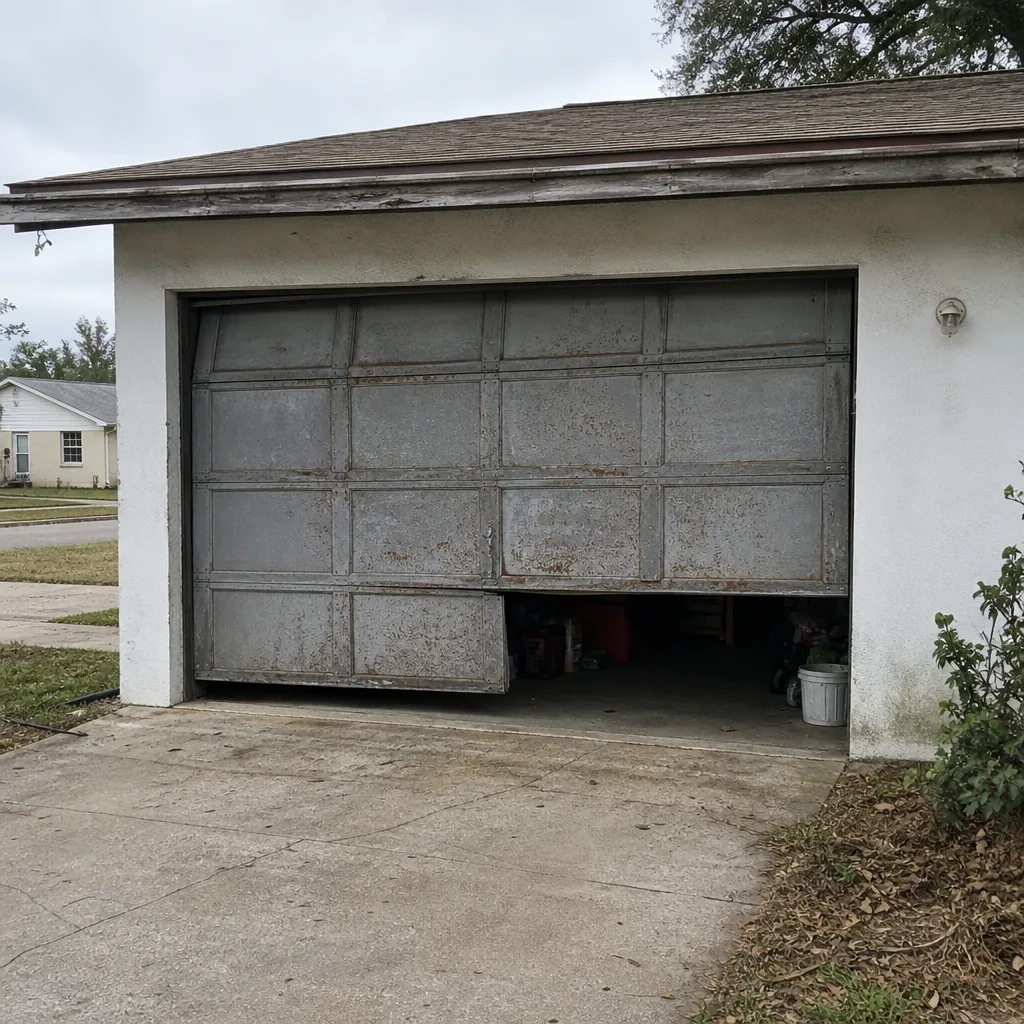 Before
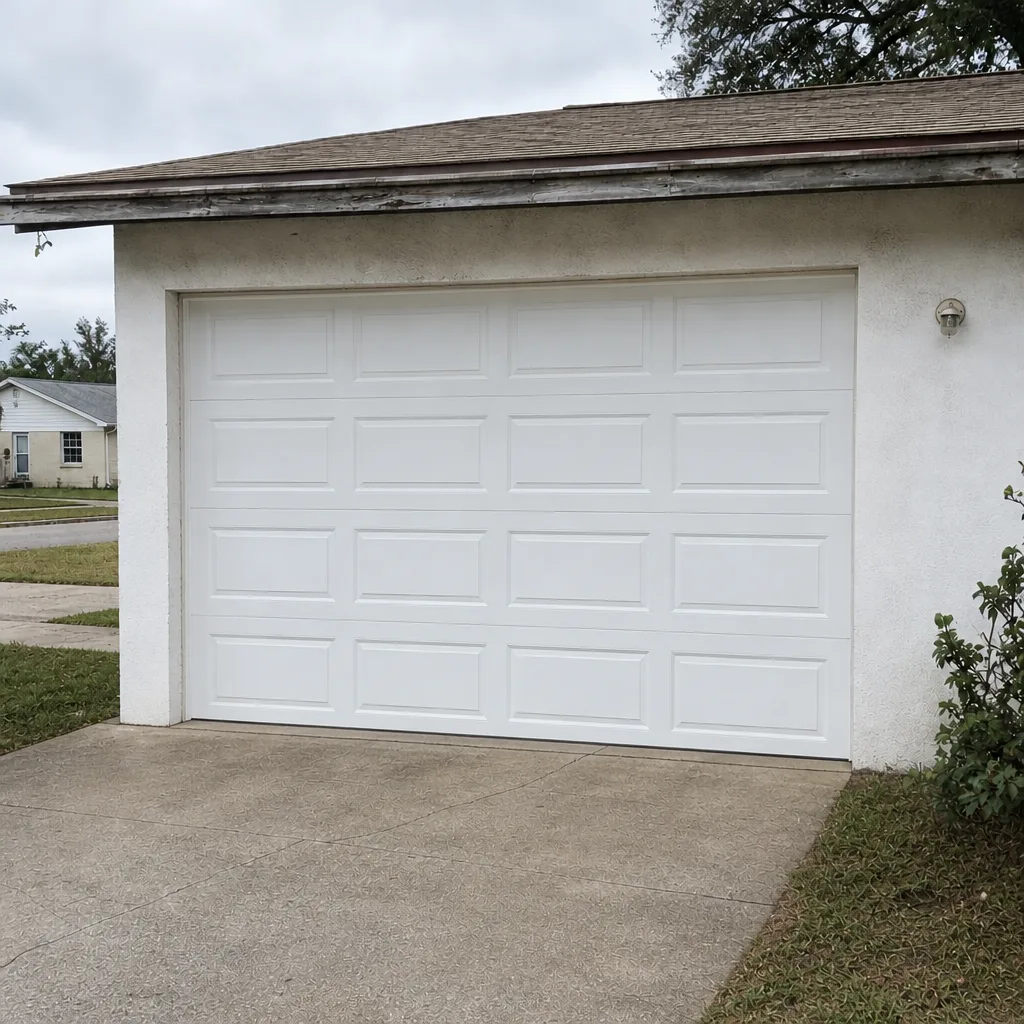 After
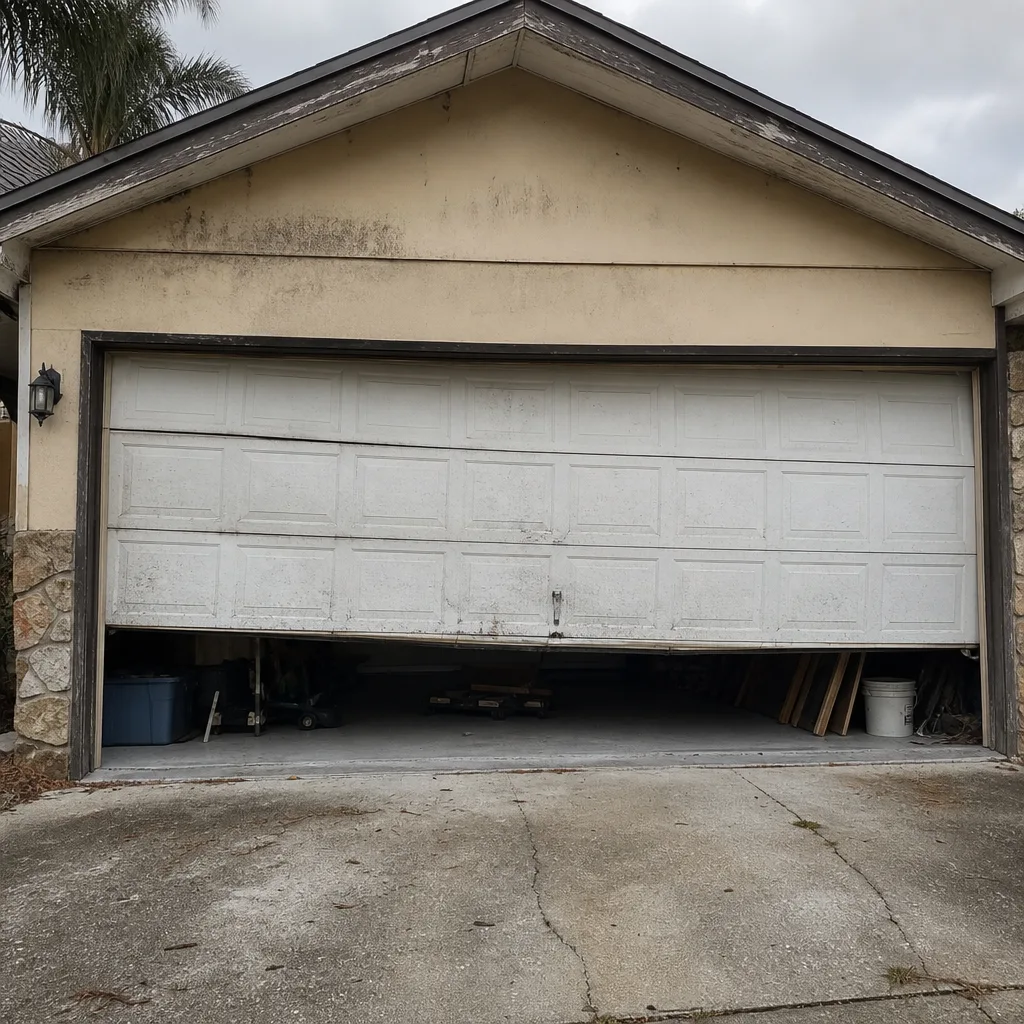 Before
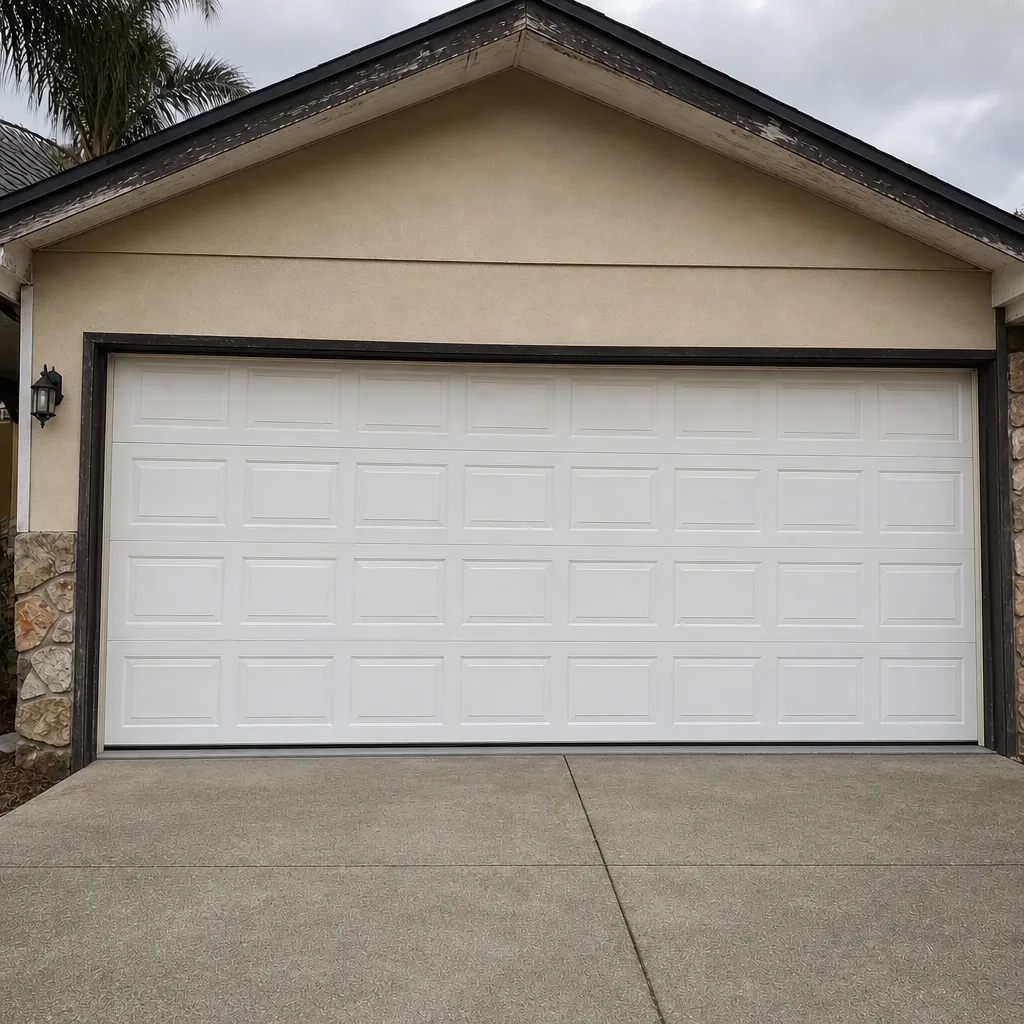 After
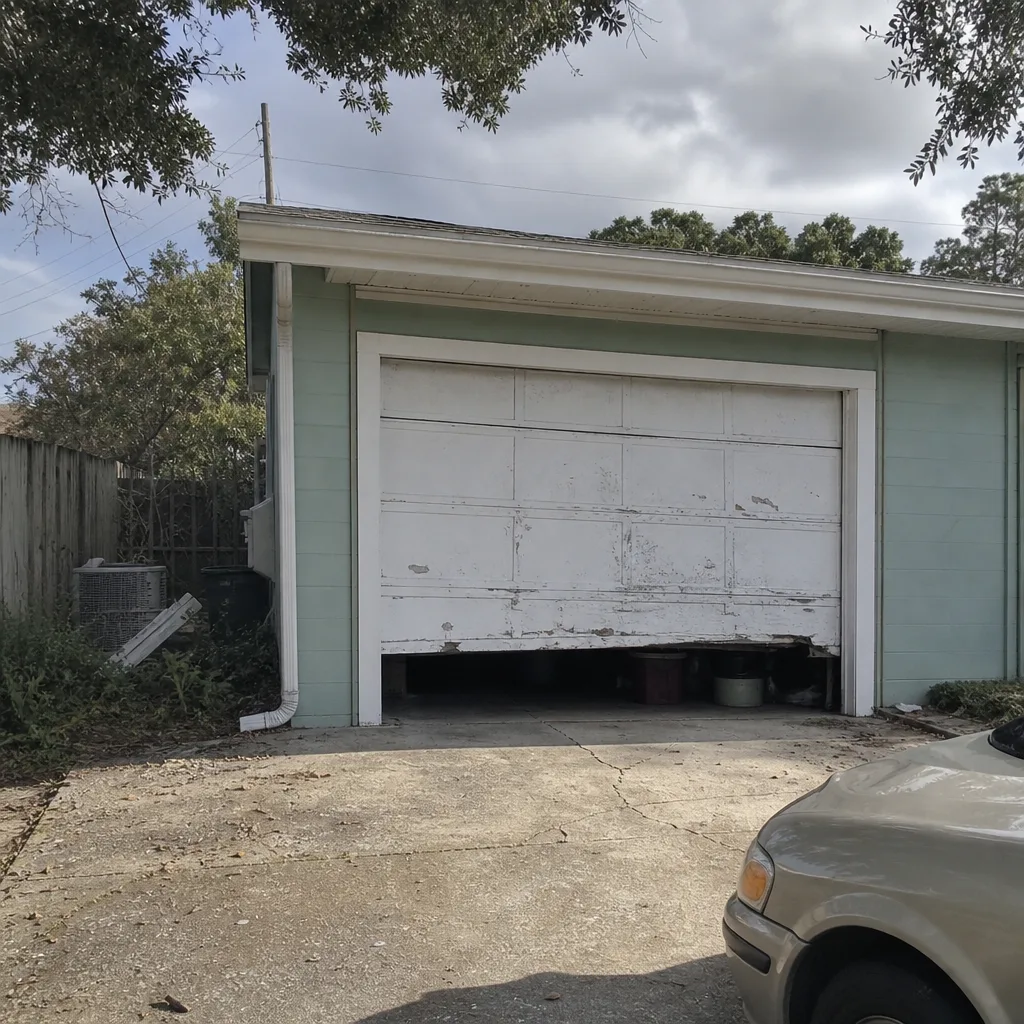 Before
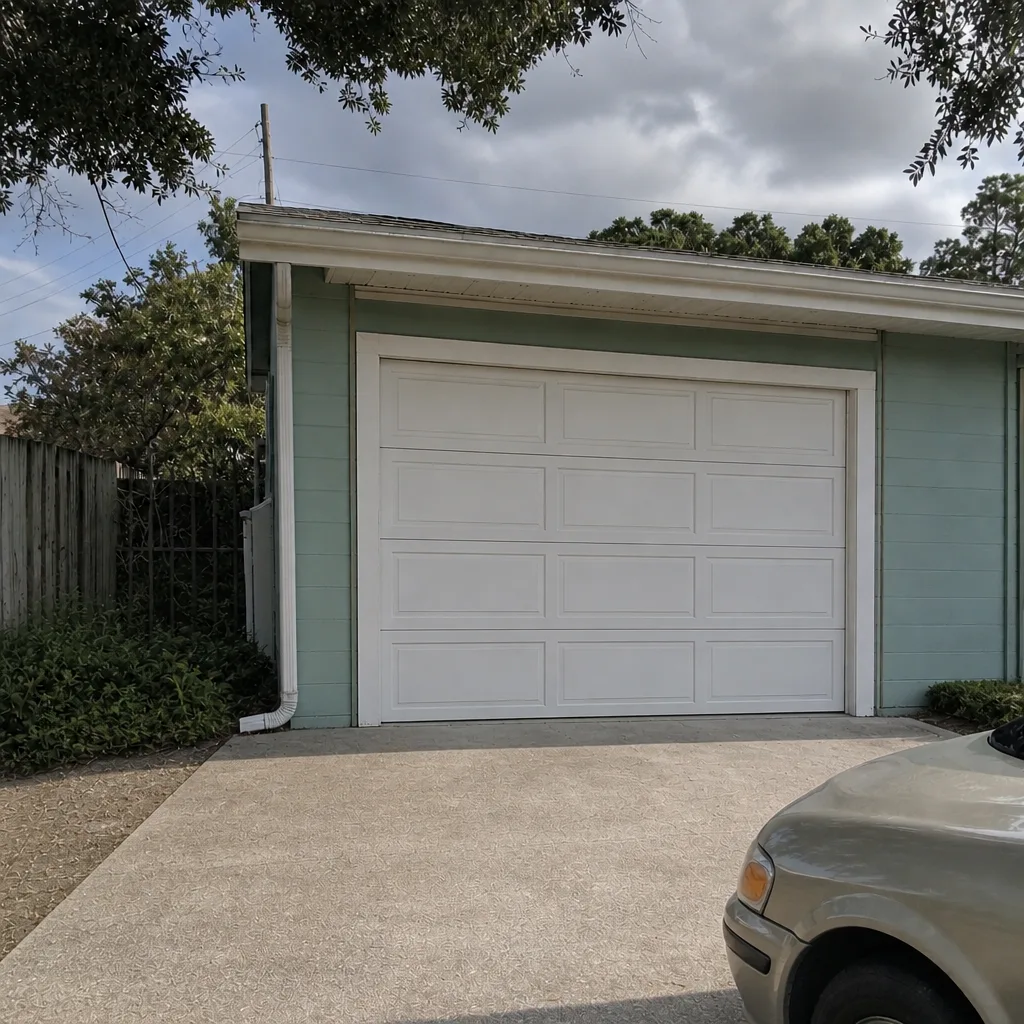 After
When to Call a Professional
Some garage door problems are homeowner territory: a squeak you can quiet with the right lubricant, a remote that needs a battery, a safety sensor that needs realignment. Most of the rest is not. Call a professional when the door won’t open or close at all, when it opens unevenly or hangs up partway, when you hear a bang from the torsion bar area, or when the opener runs but the door doesn’t move. Call immediately if the door is stuck open, since a home left unsecured is a genuine emergency. Never attempt to adjust, remove, or replace torsion springs or the cables attached to them. Those parts store enormous energy, and a mistake can cause serious injury. That work belongs to someone trained for it, and we’d rather you call than try. Garage Door Repair Dunedin offers free estimates in Dunedin. Call (877) 492-3256. We answer 24/7. Fast dispatch is available from 7am to 7pm, Sunday through Friday.
Frequently Asked Questions
Verify three things in writing: Florida state licensure that covers installation, a current certificate of general liability insurance, and workers’ compensation coverage. On top of that, a qualified specialist brings up wind-load rating and hurricane-code compliance without being prompted, and can name the exact hardware brands in their quote. If a contractor can’t do all of that, they’re not the right hire for a Dunedin job. Call (877) 492-3256 for an exact quote, and estimates are free.
It often does, and the exact requirement depends on your address and the scope of work. Permit rules vary by municipality and by whether you’re replacing a door in kind or changing its size, its wind rating, or its structure. The reliable move is to call the City of Dunedin building department and ask for your address, then confirm the contractor will pull the permit and schedule the inspection. A contractor who works here regularly already knows the process and can walk you through it.
Garage doors are the largest opening in most homes, and in a wind event they take direct pressure. Florida evaluates garage doors for the wind pressure they can withstand, and the door, its reinforcement, and its track anchoring work as a system. A door rated for the pressure your opening sees is the difference between a door that holds and one that fails. Ask what rating the proposed door carries and whether reinforcement is included in the price.
Cost depends on the part and the door. A simple fix like a roller, hinge, or sensor adjustment is on the low end, while spring replacement or opener repair runs higher, and a new door or opener is a different conversation entirely. We don’t publish flat prices because every door and every failure is different. The written estimate sets the price, and it’s quoted and agreed before any work starts, so there’s no surprise on the invoice. Call (877) 492-3256 for an exact quote, and estimates are free.
We answer 24/7, and a door stuck open is treated with urgency since a home left unsecured is a real emergency. Fast dispatch runs from 7am to 7pm, Sunday through Friday, and calls outside those hours are booked into the next opening. Repair calls can often be handled the same day. Call (877) 492-3256 for an exact quote, and estimates are free.
A real warranty is a written document with separate, named coverage periods for parts and for labor. Manufacturer coverage on panels, springs, and openers usually differs by component, so ask for each one in writing and confirm the labor period. Read the exclusions for anything that requires only the installing contractor to service the door. If a contractor can’t produce the document or answer who honors it, that’s boilerplate, not coverage.
Hire a specialist for anything beyond basic maintenance. Garage doors are tensioned mechanical systems, and in Florida they also carry wind-rating and permitting requirements that generalists often miss. A specialist has the parts knowledge, the tooling, and the local code familiarity to do it right the first time. Start with Garage Door Repair Dunedin if you’re not sure where to begin, and we’ll walk you through what your job needs.
The Bottom Line
The right garage door contractor in Dunedin is a specialist who verifies easily, measures in person, names their hardware brands, and talks about wind-load rating without being asked. Screen for license, insurance, and workers’ comp first, compare quotes on specs rather than price, and get the final number in a written estimate before work starts. Ask about spring cycle rating and read the warranty language instead of trusting the summary. Do those things and you’ll get a door that closes clean, closes quiet, and holds up through a Florida summer. For a free estimate, call (877) 492-3256. We answer 24/7. Fast dispatch is available from 7am to 7pm, Sunday through Friday.
Written by the team at Garage Door Repair Dunedin.