
Last updated November 22, 2026
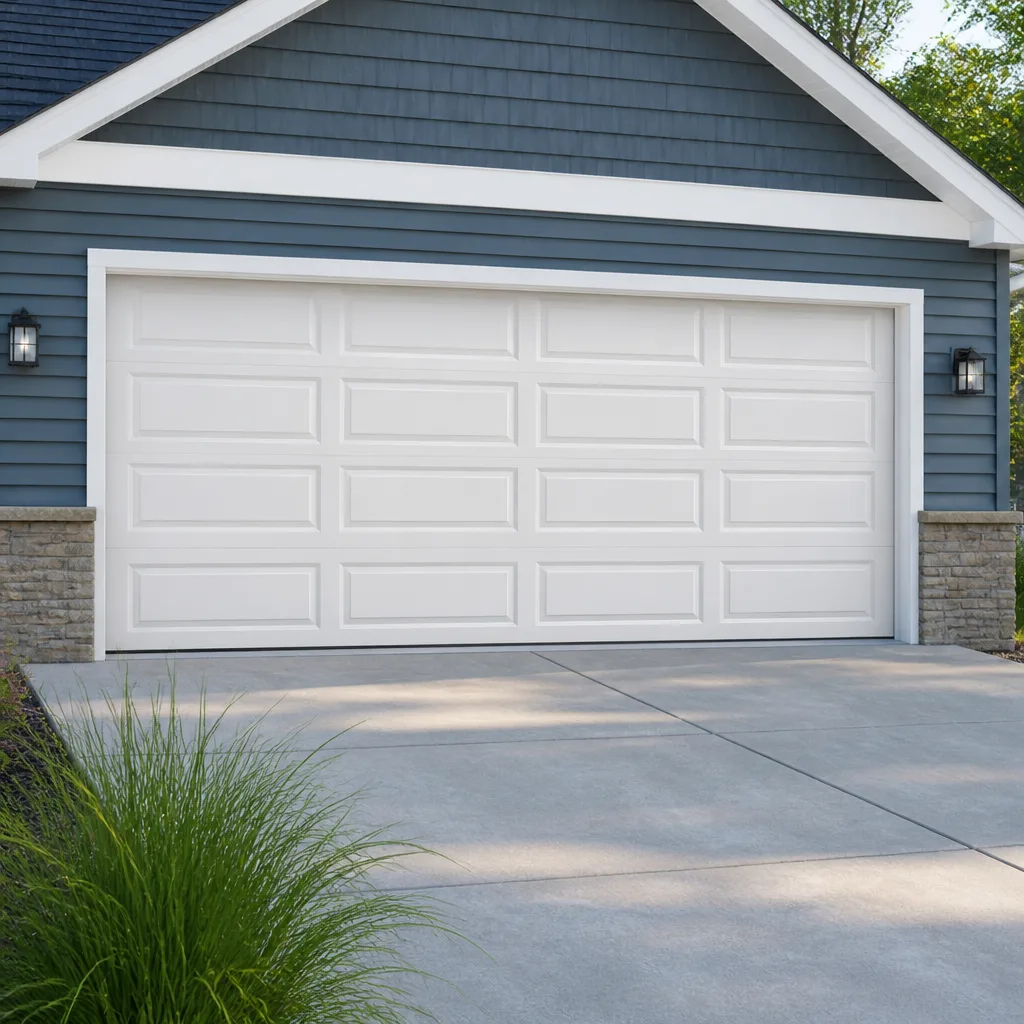 Raised-panel steel
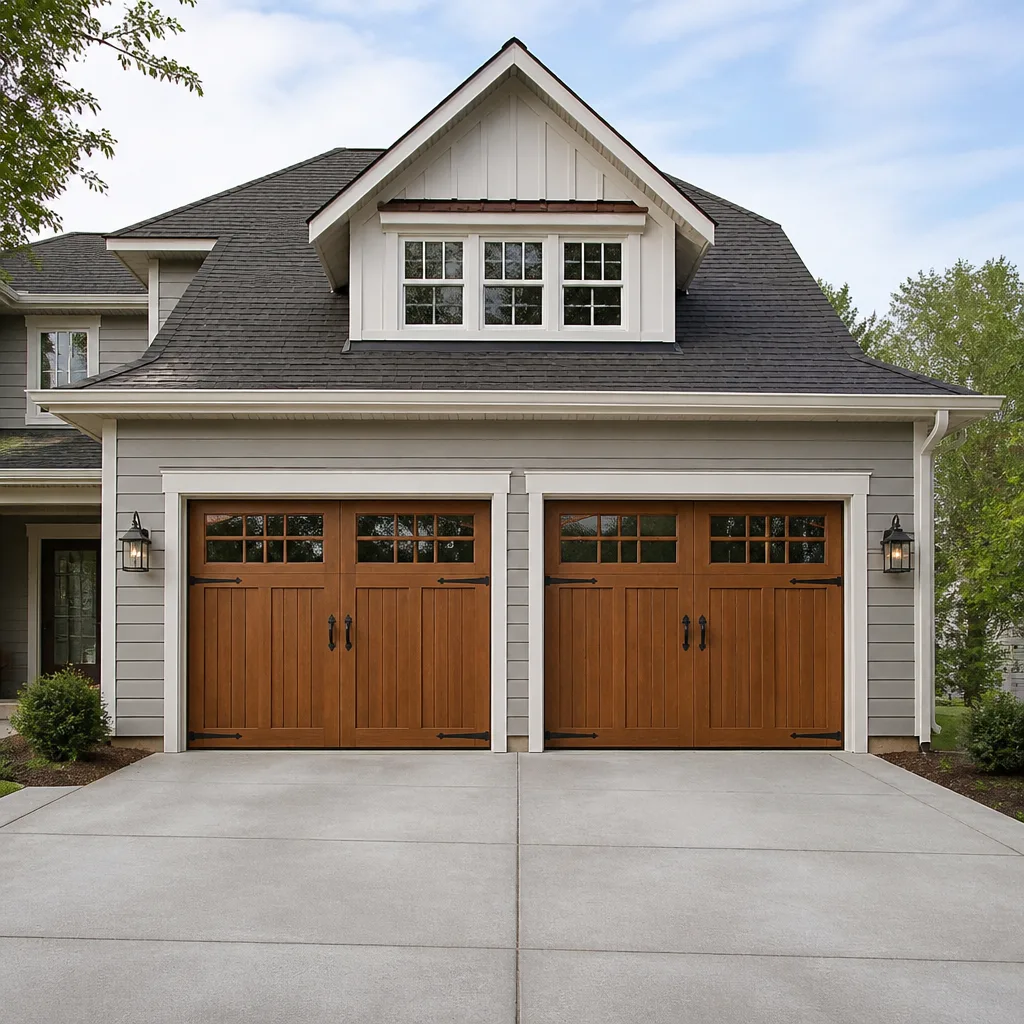 Carriage house
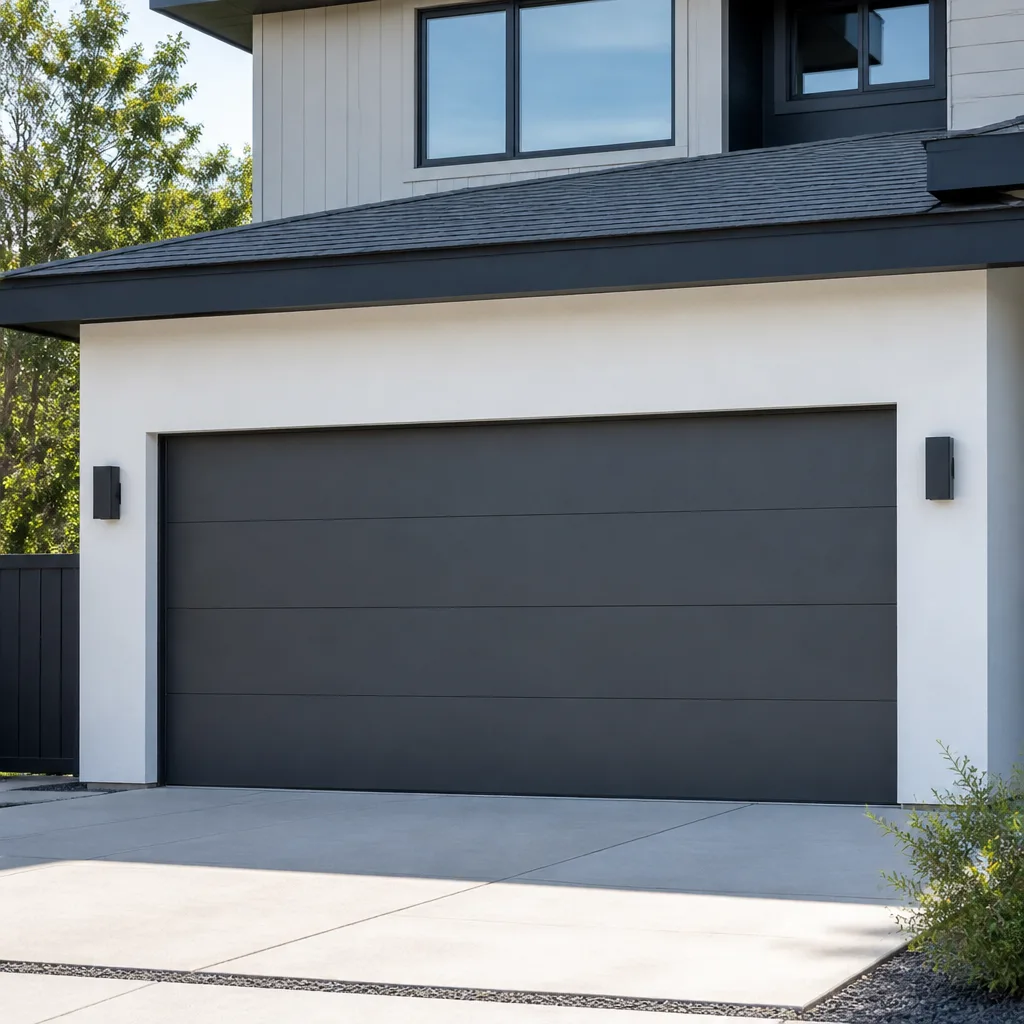 Modern flush
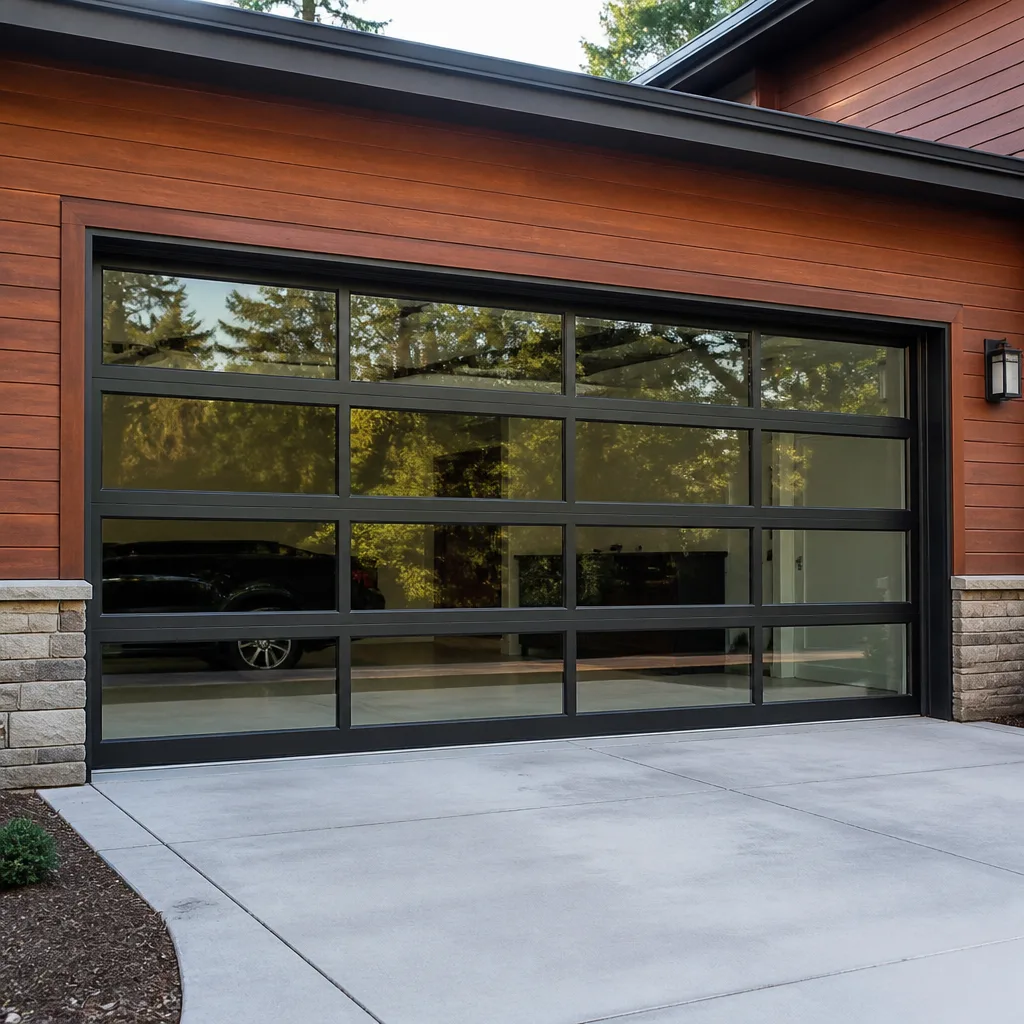 Full-view glass
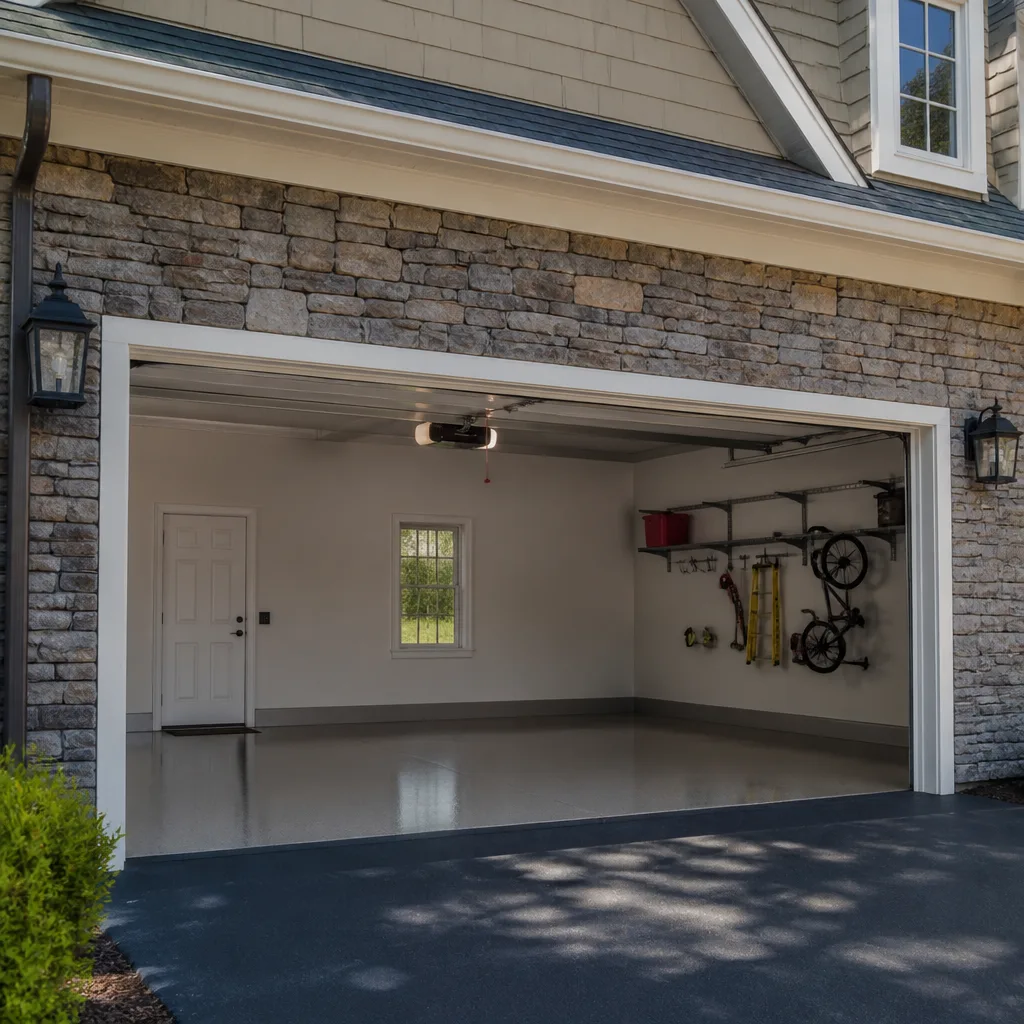 LiftMaster openers
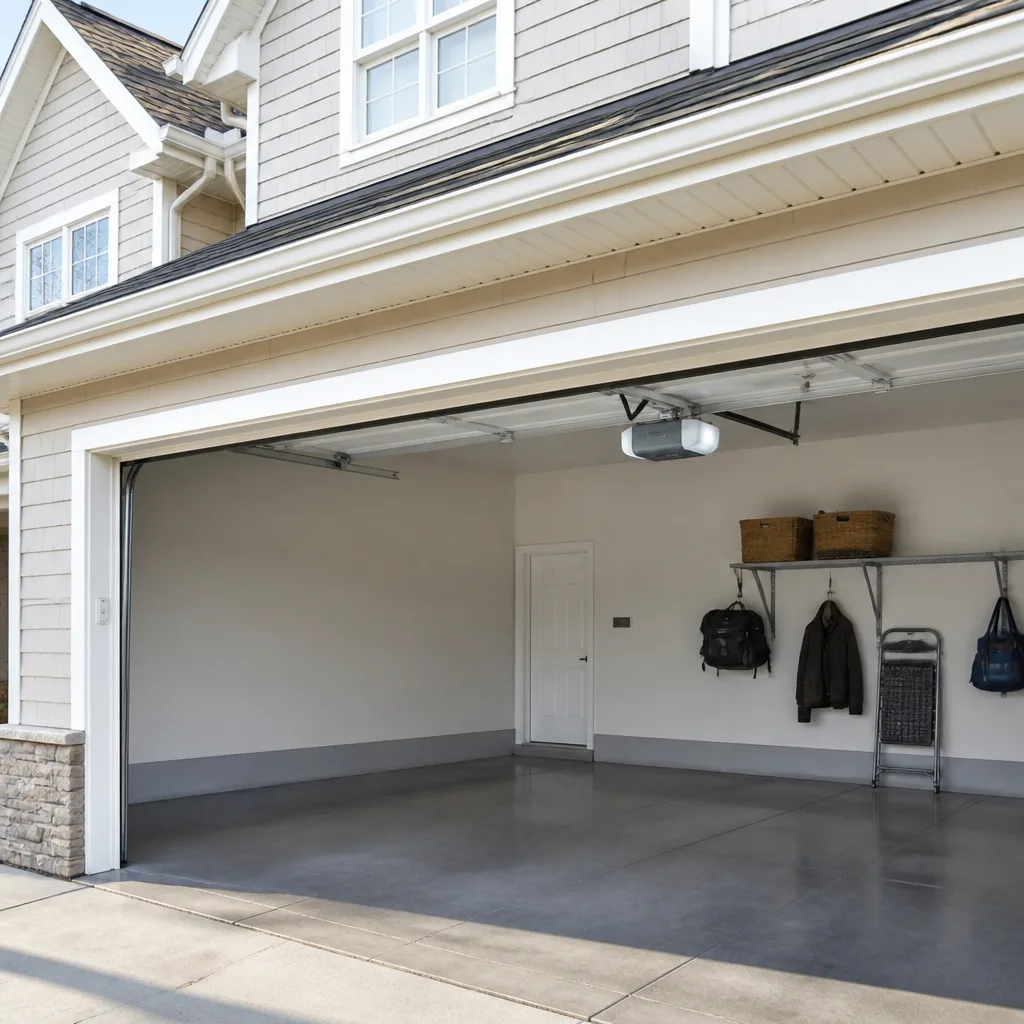 Chamberlain openers
Full 25-point door and opener safety check with every visit - springs, cables, rollers, tracks, and your LiftMaster or Chamberlain opener included
You get a price before we start. It does not change when the pro arrives.
Get your free estimateSeasonal Garage Door Care for Dunedin: Year-Round Homeowner’s Guide
Most garage door maintenance advice you’ll find online was written for a climate that gets four clean seasons. Dunedin doesn’t work that way. Our year splits into a long dry stretch that pulls moisture out of wood and rubber and a wet stretch that pushes humidity and storm-driven rain against every seal and hinge on your door. The wear patterns are completely different in each half of the year, and a schedule built for a northern winter misses both of them. This guide walks through what your door actually needs in Dunedin, month by month, so you’re maintaining against the real cycle instead of a calendar that doesn’t apply here.
Quick Answer
Garage door maintenance in Dunedin runs on two seasons, not four: prep in April and May before the humidity and storm activity peak, then inspect and adjust in November through March as the dry air makes springs more brittle and panels more prone to warping. A door that gets checked twice a year, lubricated monthly during the wet season, and wiped down to remove grit will outlast one that only gets attention when something breaks.
Styles & brands we work with
- Raised-panel steel
- Carriage house
- Modern flush
- Full-view glass
- LiftMaster openers
- Chamberlain openers
Table of Contents
- Why Dunedin Has Two Garage Door Seasons, Not Four
- Pre-Wet Season Prep: April and May
- Hurricane Season Protocol: Verifying Your Wind-Load Rating
- Post-Storm Inspection Checklist
- Dry Season Checks: November Through March
- The Monthly Wipe-Down Routine That Extends Hardware Life
- Brand-Specific Quirks Worth Knowing
- When to Call a Professional
Why Dunedin Has Two Garage Door Seasons, Not Four
Dunedin’s climate doesn’t hand your garage door a gentle spring thaw and a dry summer. It hands it months of sustained humidity followed by months of low moisture, and each one attacks different components. During the wet season, moisture works its way into hinges, rollers, and the bottom seal. Steel fasteners start to show surface rust, wood panels swell at the edges, and rubber seals soften and lose their shape. During the dry season, the opposite happens: wood shrinks and can crack along the grain, rubber seals stiffen, and torsion springs lose some of their resilience in the drier air.
That’s why the failure pattern here looks different from what you’d read about in a national maintenance guide. In our experience, most spring failures in the Dunedin area happen during the dry months, not during the wet season. The metal has been cycling thousands of times through the humid months, then the air dries out and the spring becomes less forgiving of the stress it’s already carrying. A door that ran quietly all summer can snap a spring on a cool, dry morning in January.
The practical takeaway is simple: your maintenance calendar should have two big checkpoints, one before the wet season and one during the dry season, plus a light monthly routine in between. If you’re used to a “check it in the fall” schedule from somewhere else, that rhythm doesn’t match what your door goes through in Dunedin. The sections below break down each checkpoint and what it actually involves.
Pre-Wet Season Prep: April and May
April and May are your window to get ahead of the humidity and storm activity that define the Dunedin summer. Anything you seal, lubricate, or tighten now will hold through the months when moisture is working against you. Miss this window and you’ll spend the wet season dealing with problems that a couple of hours of prep would have prevented.
Here’s what a thorough pre-wet-season check covers:
- Seal the bottom and sides. Run your hand along the bottom weather seal. If it’s cracked, flattened, or pulling away from the door, replace it before the rain starts. A seal that’s already failing will let water track under the door and pool against the threshold all summer.
- Lubricate hinges and rollers. Use a garage-door-rated lubricant, not household oil or grease. Apply it to each hinge pivot and roller stem. This is the single most effective thing you can do to slow corrosion during the wet months.
- Check the tracks for alignment. A track that’s slightly out of plumb in dry weather can bind once the door panels swell with moisture. Look for gaps between the roller and the track edge.
- Test the balance of the door. Disconnect the opener and lift the door halfway by hand. It should stay in place. If it drifts down or feels heavy, the springs are losing tension and need attention before they’re asked to carry the door through another wet season.
- Test the safety reverse. Place a piece of wood or a roll of paper towels under the door and close it. The door should reverse on contact. If it doesn’t, the opener needs adjustment before storm season.
- Inspect the panels and paint. Any bare wood or chipped paint on a wood or steel door will take on moisture all summer. Touch it up now.
If your door uses an Amarr or Wayne Dalton panel system, pay close attention to the seams between sections. Those joints are where moisture gets in first, and once it’s behind the paint film, you’re looking at a bigger repair than a touch-up. A pre-wet-season inspection is also a good time to schedule any garage door repair you’ve been putting off, since small issues get worse fast once the humidity arrives.
Hurricane Season Protocol: Verifying Your Wind-Load Rating
“Hurricane bracing” gets used loosely, and it means different things depending on the door. For some doors, it’s a set of removable vertical or horizontal reinforcement struts that fit into the panel. For others, it’s a heavier-gauge track and reinforced hinge system built into the door from the factory. No single add-on makes any door storm-proof, and a brace that isn’t rated for your specific door can do more harm than good by transferring force to the wrong part of the frame.
Before storm season, confirm three things about your door:
- What the original rating was. Check the label on the door or look up the model with the manufacturer. Doors from Clopay, Amarr, and Raynor are all commonly rated for specific wind speeds, and the label tells you what your door was built to handle.
- Whether the rating is still valid. A rating assumes the door, tracks, hinges, and anchors are all in the condition they were in when installed. Loose anchor bolts, bent tracks, or a weakened spring can compromise a rating that was fine when the door was new. Have the mounting hardware checked before the season starts.
- Whether the door has been modified. If a previous owner added a strut, changed the opener, or replaced panels with a different model, the original rating may no longer apply. This is worth verifying with a technician who works with your brand.
If you’re not sure what your door is rated for, the model number on the door or the opener is the starting point. Our technicians have up to 8 years of experience and work with LiftMaster, Chamberlain, Genie, Clopay, Amarr, Wayne Dalton, Craftsman, and Raynor equipment, so we can usually identify what you have and tell you what it was built to handle. If the door needs reinforcement or repair to bring it back to its rated condition, we can handle that too; the full range of work, from garage door opener repair to garage door spring repair, is done by our own technicians rather than subcontracted out.
Post-Storm Inspection Checklist
After a named storm or a stretch of heavy wind and rain, your garage door may look fine from the driveway while components underneath have shifted. A door that’s still opening and closing isn’t necessarily a door that’s safe to keep using. Run through this checklist after any significant storm:
- Look at the tracks. Check that both vertical and horizontal tracks are still straight and still firmly attached at every anchor point. A track that’s been knocked slightly out of alignment will wear the rollers unevenly.
- Check the spring area. Look at the springs above the door without touching them. If you see a visible gap in a torsion spring or an extension spring that’s stretched out of shape, stop using the door and call for service. Springs are under extreme tension and should never be adjusted or removed by anyone who isn’t trained to do it.
- Inspect the bottom seal and threshold. Wind-driven rain can push the seal out of its channel. If it’s loose or torn, water will get in on the next storm.
- Test the opener and safety reverse. Run the door through a full open-and-close cycle and test the reverse function. Storm-related power interruptions sometimes reset opener settings.
- Look for corrosion on hinges and fasteners. A single storm won’t rust a hinge, but repeated wet cycles will. Any orange or white residue on fasteners is a sign that moisture has been sitting in the joint.
- Check that the door is still balanced. Disconnect the opener and lift the door by hand. If it feels heavier than usual or won’t stay in place, the springs or the tracks have shifted.
If anything on that list looks off, don’t run the door repeatedly to “see if it fixes itself.” A misaligned track or a weakened spring can turn a small adjustment into a full panel replacement if the door comes down unevenly. Call (877) 492-3256 if you’d rather have a technician check it. We answer 24/7, and if a call comes in outside dispatch hours, it’s booked into the next opening, Sunday through Friday, 7am to 7pm.
Dry Season Checks: November Through March
Once the humidity drops, a different set of problems shows up. The dry months are when most spring failures happen in the Dunedin area, and they’re also when wood panels shrink and crack and rubber seals stiffen. This is the season to check the parts that hold tension and the parts that seal, because both are losing moisture.
What to check during the dry months:
- Spring condition and balance. Test the door by hand with the opener disconnected. A door that’s getting hard to lift or drifts back down is telling you the springs are losing tension. Do not attempt to adjust or replace torsion springs yourself; they’re under enough tension to cause serious injury. This is work for a trained technician.
- Wood panel seams. Look for hairline cracks along the grain and gaps at the joints between panels. A wood door that cracks in the dry season will take on water at that crack during the wet season, which is how a small cosmetic issue turns into a structural one.
- Rubber seals. Run a hand along the bottom seal and the side jambs. If it feels stiff or has visible cracks, plan to replace it before the rains return.
- Hardware tightness. Dry air and temperature swings can loosen bolts over time. Check that hinges, brackets, and the opener’s mounting points are snug.
- Opener performance. Listen for grinding, a change in speed, or a door that stops partway. Opener problems often surface in the dry months because the door is moving a little differently than it did in the humid season.
If you’re scheduling maintenance or a repair during this window, a free estimate lets you know what you’re dealing with before anything is committed. The written estimate sets the final price, so there’s no surprise when the work is done. Keep in mind that when a spring does go, your day stops with it, and that’s when emergency service matters. Garage Door Repair Dunedin handles the full range of work, so a broken spring, a failing opener, and a damaged panel can all be addressed by technicians who work on garage doors exclusively.
The Monthly Wipe-Down Routine That Extends Hardware Life
This is the lowest-effort habit in this guide and the one that pays off the longest. Ten minutes once a month to wipe down and lubricate the moving parts will add years to your hinges, rollers, and springs, especially in Dunedin where the air holds moisture for months at a time. Grit and dust collect in the joints, hold moisture against the metal, and start the corrosion cycle. Removing them is easier than repairing what they cause.
The routine, in order:
- Wipe each hinge and roller stem with a dry cloth to remove dust and grit.
- Apply a small amount of garage-door lubricant to each hinge pivot and roller stem. A little goes a long way; excess lubricant attracts dirt.
- Wipe down the tracks with a damp cloth and dry them. Don’t lubricate the tracks themselves; they’re meant to stay clean and dry.
- Check the bottom seal for debris and wipe it clean.
- Look at the springs for visible rust or gaps. If you see either, stop and call for service rather than trying to clean or adjust them.
- Run the door through one full cycle and listen for anything that sounds different from last month.
The point of the routine isn’t to replace professional maintenance; it’s to catch changes early. A hinge that starts squeaking in March is a hinge you can lubricate. A hinge that’s been ignored until August is a hinge that may need replacing. Our technicians have up to 8 years of experience, and this kind of monthly attention is what keeps a door from becoming an emergency. If you’d rather have a professional go through the system once or twice a year and show you what to watch, that’s what a maintenance visit is for.
Brand-Specific Quirks Worth Knowing
Not every door wears the same way, and knowing what your specific system is prone to helps you catch problems earlier. A few things we’ve noticed across the brands we work with:
- Craftsman openers are common in older Dunedin homes, and their safety sensors tend to be the first component to act up after a power interruption. If your door won’t close and the light is blinking, check the sensor alignment before assuming the opener has failed.
- Wayne Dalton doors often use a specific track and roller configuration that doesn’t take standard replacement parts. If a roller or hinge needs replacing, matching the original matters for smooth operation.
- Amarr and Clopay steel doors are widely used in the area, and their panel seams are the first place moisture damage shows up. A quick look at the seams each season tells you a lot about the door’s condition.
- Raynor and LiftMaster systems hold up well, but their openers have model-specific settings for force and travel limits. If a door starts reversing for no reason, the opener settings may need adjustment rather than replacement.
Knowing the brand matters because the fix is often brand-specific. A technician who works on your brand knows the quirks before they arrive; a general handyman may not. If you’re not sure what you have, the model number is usually on a label on the door or the opener. When you call, mention it; it helps us bring the right parts and give you a more accurate estimate.
Common Mistakes to Avoid
- Treating the door like it doesn’t need maintenance. A garage door runs thousands of cycles a year. Skipping the two seasonal checkpoints is the fastest way to turn a small adjustment into a spring replacement.
- Using household oil or grease on hinges and rollers. The wrong lubricant attracts dirt and gums up in the heat. Use a product made for garage doors.
- Lubricating the tracks. Tracks are meant to stay clean and dry. Lubricant on the tracks causes the rollers to slip and wear unevenly.
- Trying to adjust or replace a torsion spring yourself. Torsion springs are under extreme tension and can cause serious injury if handled without the right tools and training. Leave spring work to a trained technician.
- Ignoring a door that’s getting harder to lift. A door that needs extra effort is telling you the springs are losing tension. Waiting until it fails usually means a more expensive repair and a door you can’t use.
- Assuming a storm-rated door is still storm-rated. Ratings depend on hardware being in good condition. Loose anchors and bent tracks can compromise a rating that was fine at installation.
- Skipping the pre-wet-season check because the door “seems fine.” Moisture damage starts in joints and seals you can’t see from the driveway. The April and May check is what catches it early.
See the difference
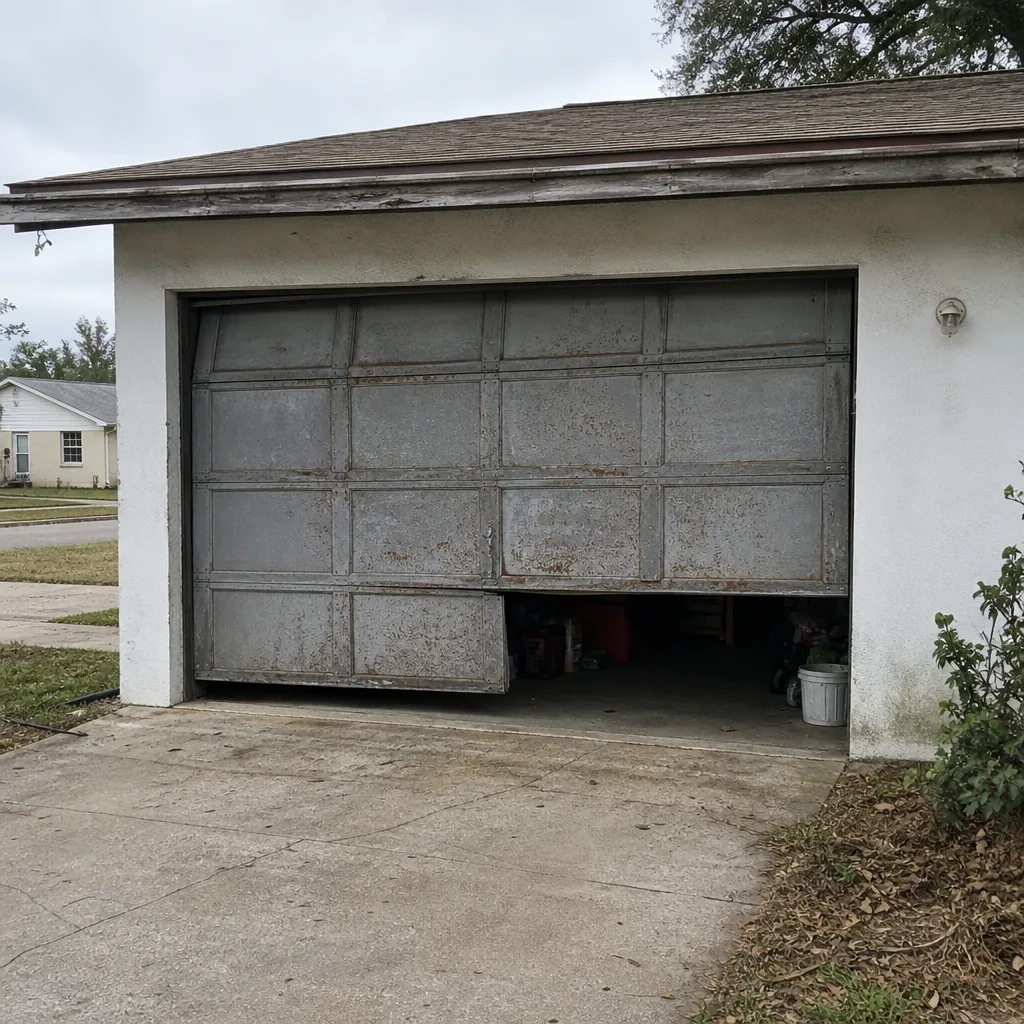 Before
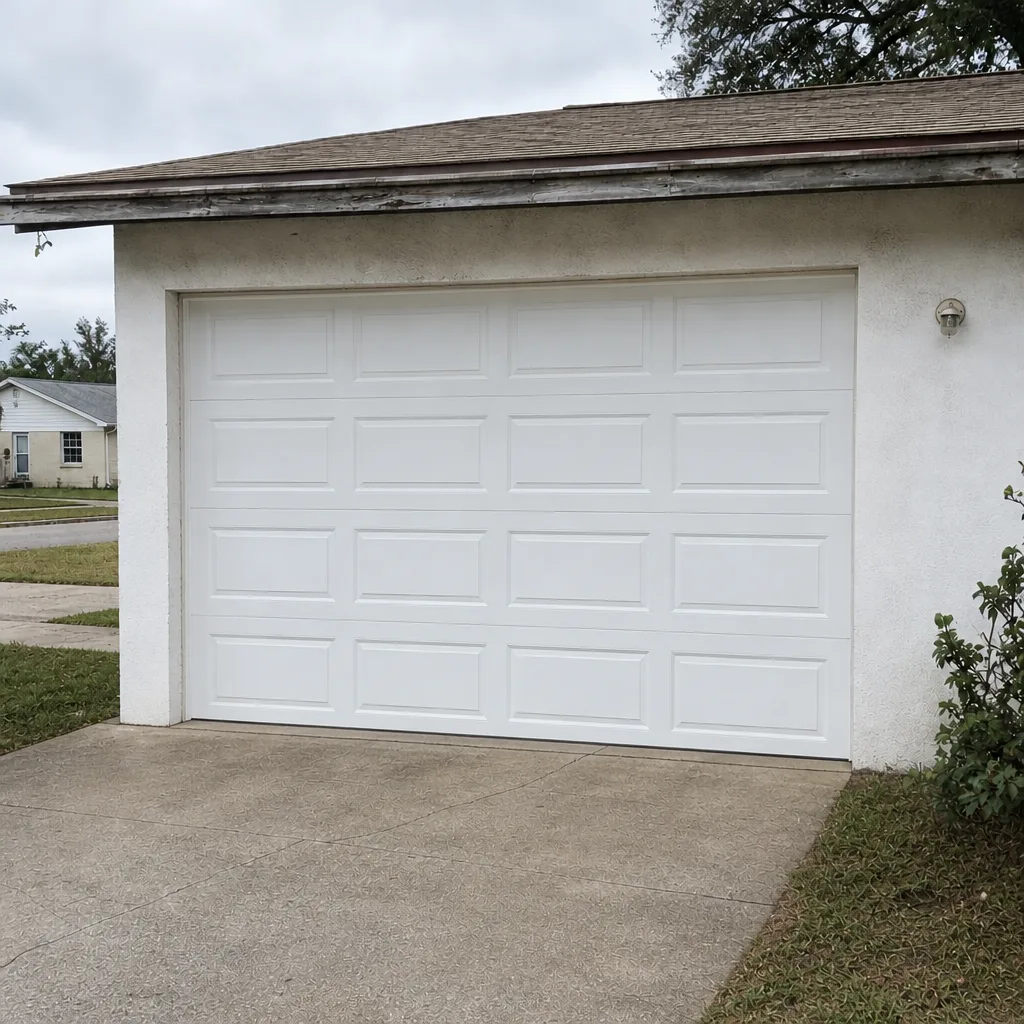 After
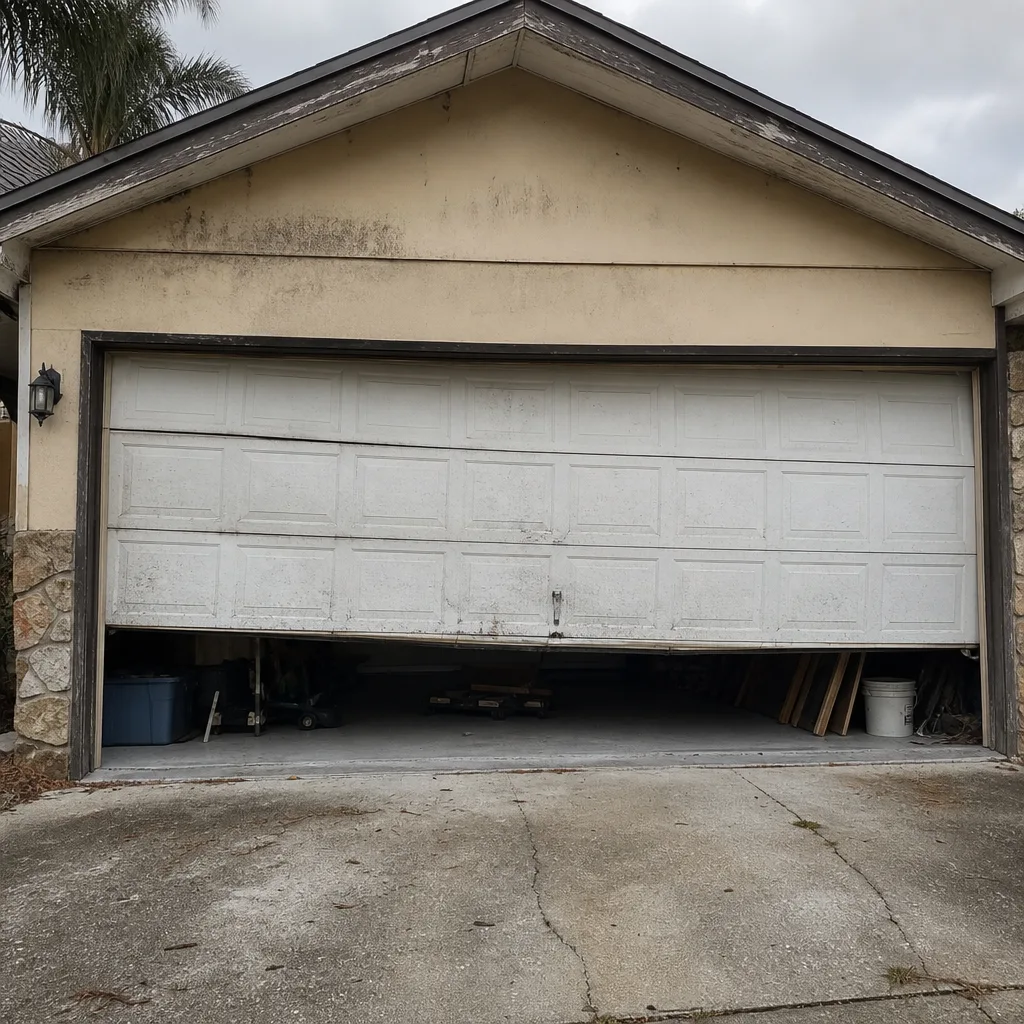 Before
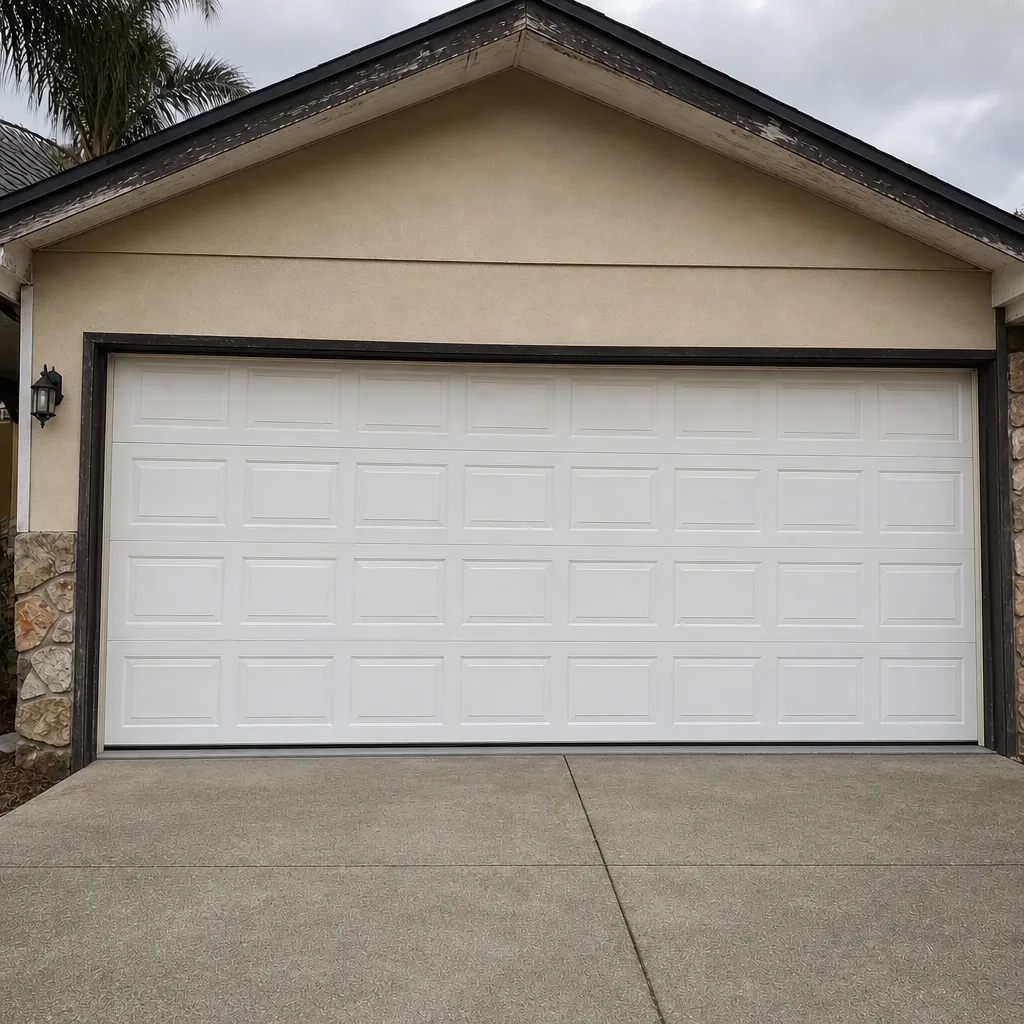 After
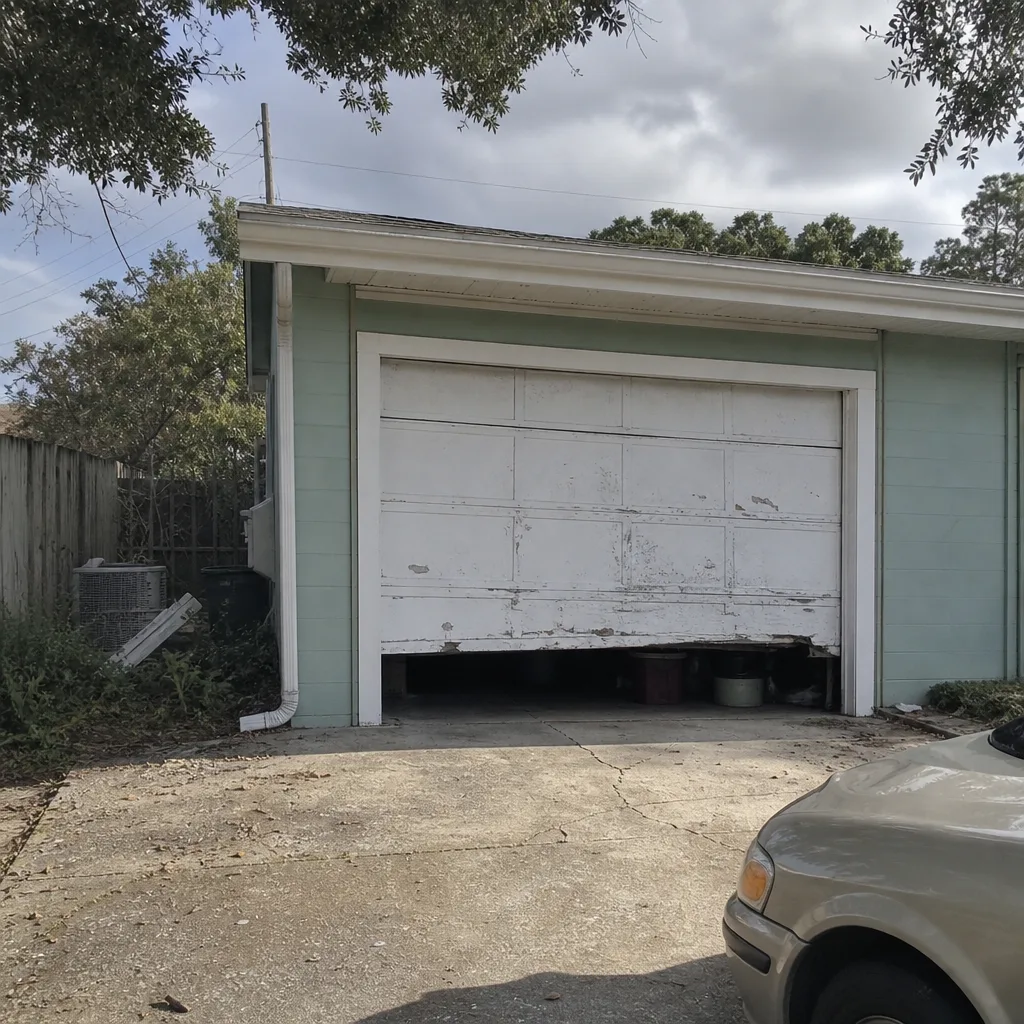 Before
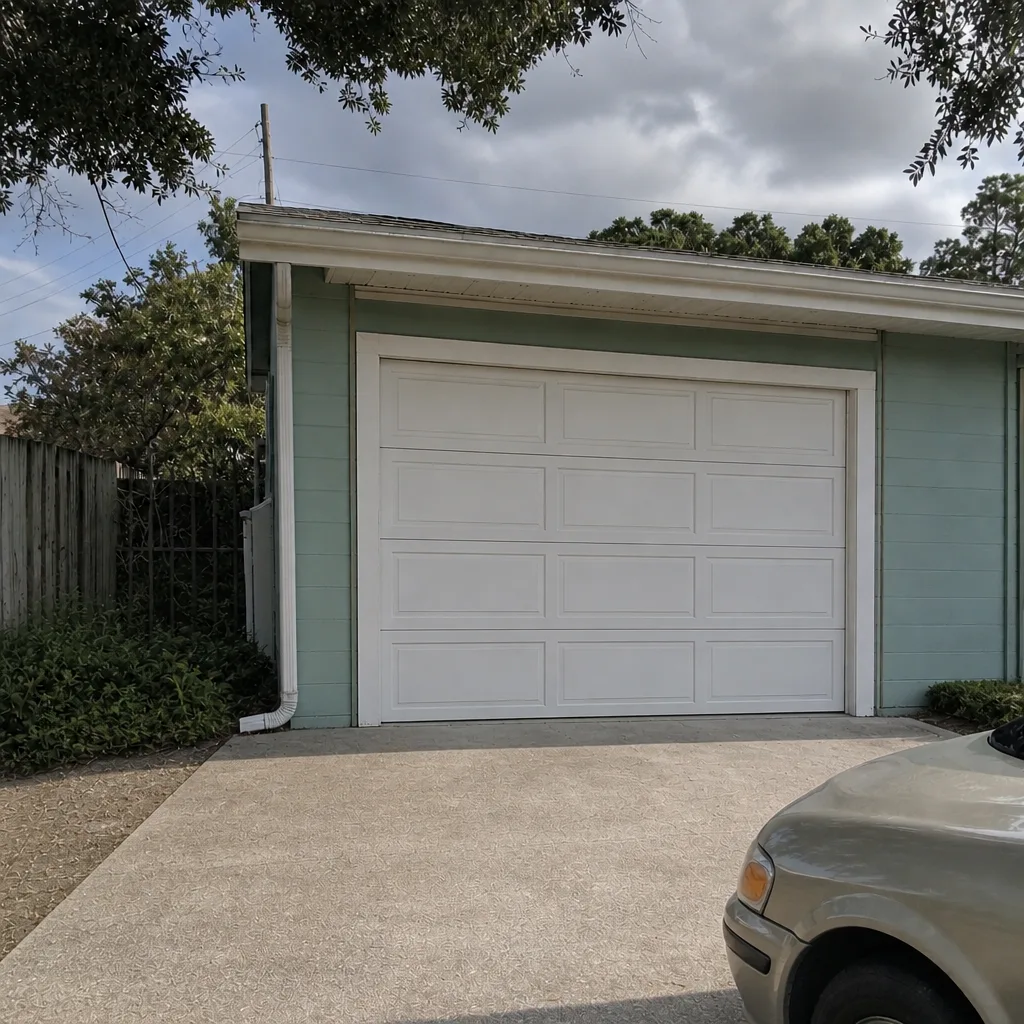 After
When to Call a Professional
Some tasks are routine and safe for a homeowner: wiping down hinges, testing the safety reverse, checking seals, and listening for changes. Others should go straight to a trained technician. Call a professional if you see a gap in a torsion spring, if the door is hard to lift or won’t stay in place, if the door comes down unevenly or the tracks look bent, if the opener grinds or stops partway, or if the door hasn’t been serviced in more than a year and you’re not sure of its condition. Garage Door Repair Dunedin offers free estimates in Dunedin. Call (877) 492-3256. We answer 24/7. Fast dispatch from 7am to 7pm, Sunday through Friday.
Frequently Asked Questions
Twice a year, timed to the local climate: once in April or May before the wet season, and once during the dry months from November through March. Add a light monthly wipe-down and lubrication between those checkpoints. That schedule matches the actual wear cycle here better than a generic twice-a-year recommendation copied from a different climate.
Dry air makes the metal in torsion springs less resilient, and the spring has already been cycling through thousands of open-and-close movements during the humid months. When the air dries out, the spring has less give and the stress of a normal cycle becomes more than it can handle. This is why most spring failures in the Dunedin area happen in the dry months. If a spring does snap, call (877) 492-3256 for an exact quote; estimates are free.
It depends on the door. For some models, it’s a set of removable reinforcement struts that fit into the panel; for others, it’s a heavier track and hinge system built into the door at the factory. There’s no universal add-on. The right approach is to find out what your door was rated for, verify the hardware is still in good condition, and have any reinforcement matched to your specific model. A technician who works on your brand can confirm what applies.
You can look at them from a safe distance for visible gaps or rust. You should not touch, adjust, or attempt to replace them. Torsion springs are under extreme tension and can cause serious injury. If you see a gap or rust, stop using the door and call a professional.
Check the label on the door and confirm the model with the manufacturer, then have the mounting hardware, tracks, and hinges inspected to make sure they’re still in the condition the rating assumes. If the door has been modified with different panels or a new opener, the original rating may no longer apply. A free estimate from Garage Door Repair Dunedin can include a check of the door’s condition and hardware.
No. The price is quoted and agreed before any work starts, and the written estimate sets the final price. If a technician finds something that wasn’t visible during the initial assessment, you’ll hear about it before anything is done, not after.
The Bottom Line
Garage door care in Dunedin is a two-season job, not a four-season one. Prep in April and May to protect against the humidity and storm activity, check the springs and seals during the dry months, and keep up a monthly wipe-down routine to slow corrosion. Verify your door’s storm rating each year and have the hardware checked rather than assuming the rating still applies. The doors that last are the ones that get checked before something breaks, not after. If you’d like a professional to go through your door and tell you what it needs, Garage Door Repair Dunedin offers free estimates in Dunedin. Call (877) 492-3256. We answer 24/7. Fast dispatch from 7am to 7pm, Sunday through Friday.
Written by the team at Garage Door Repair Dunedin.