
Last updated November 22, 2026
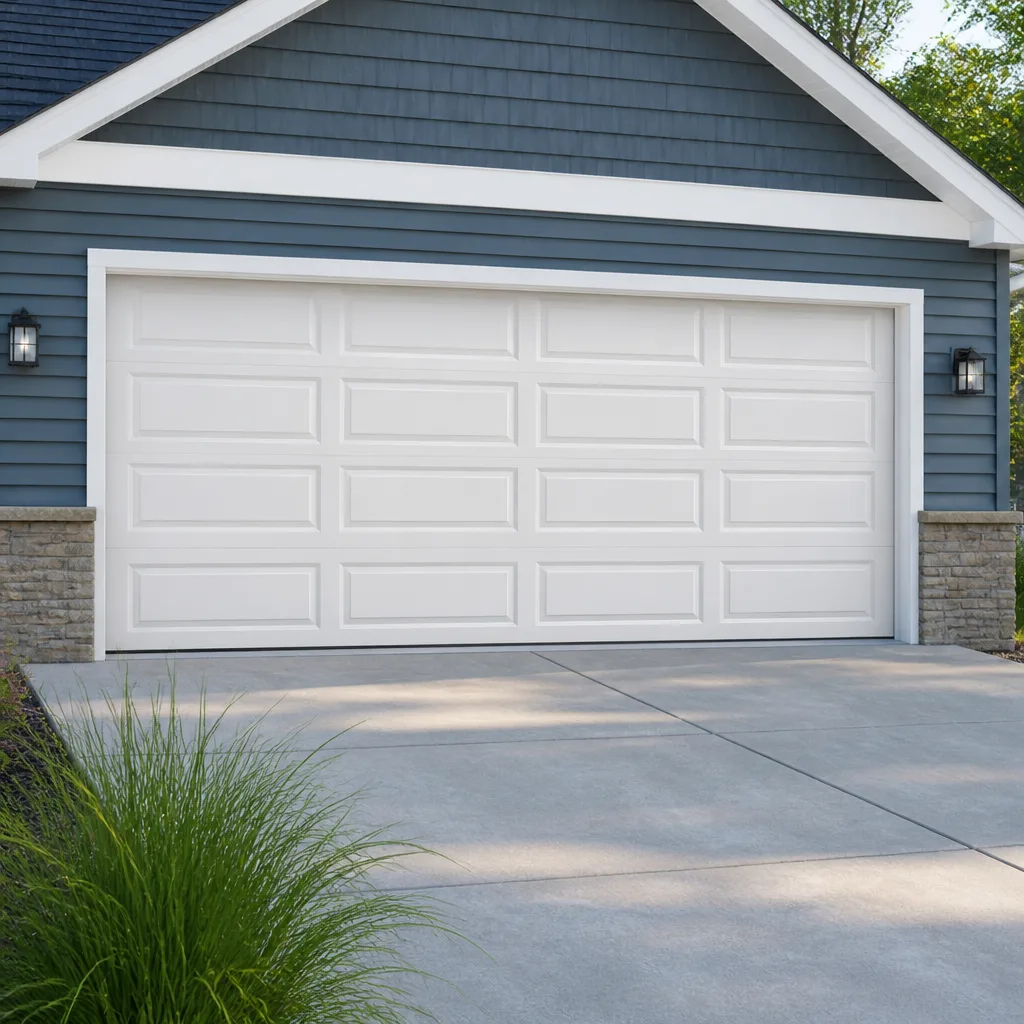 Raised-panel steel
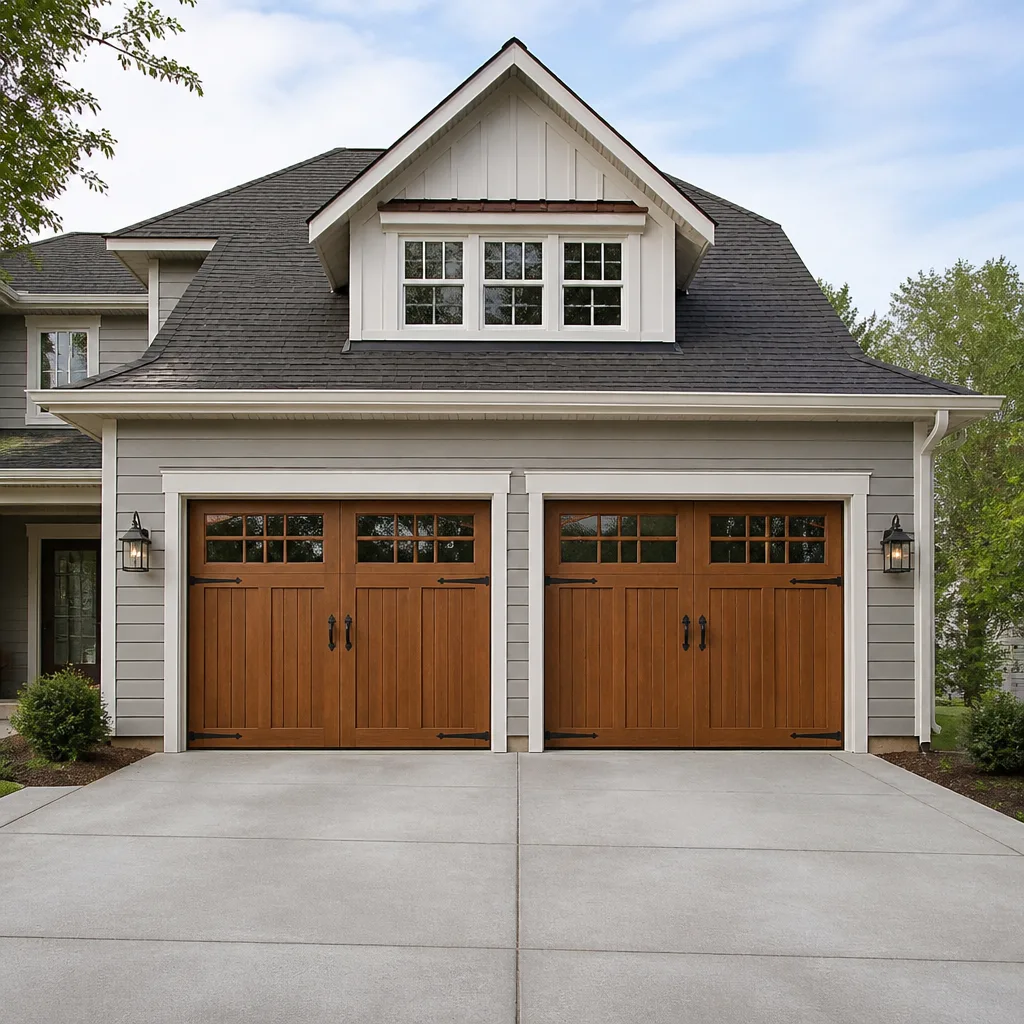 Carriage house
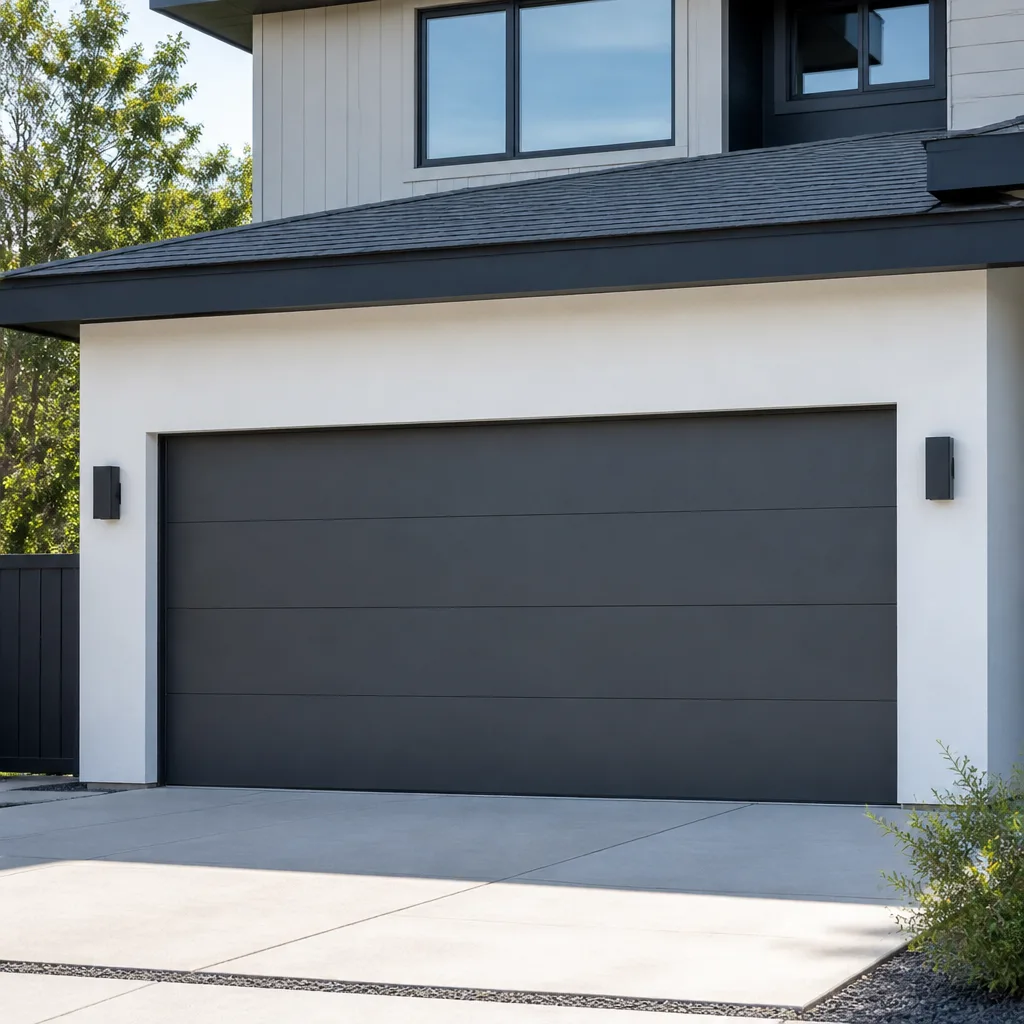 Modern flush
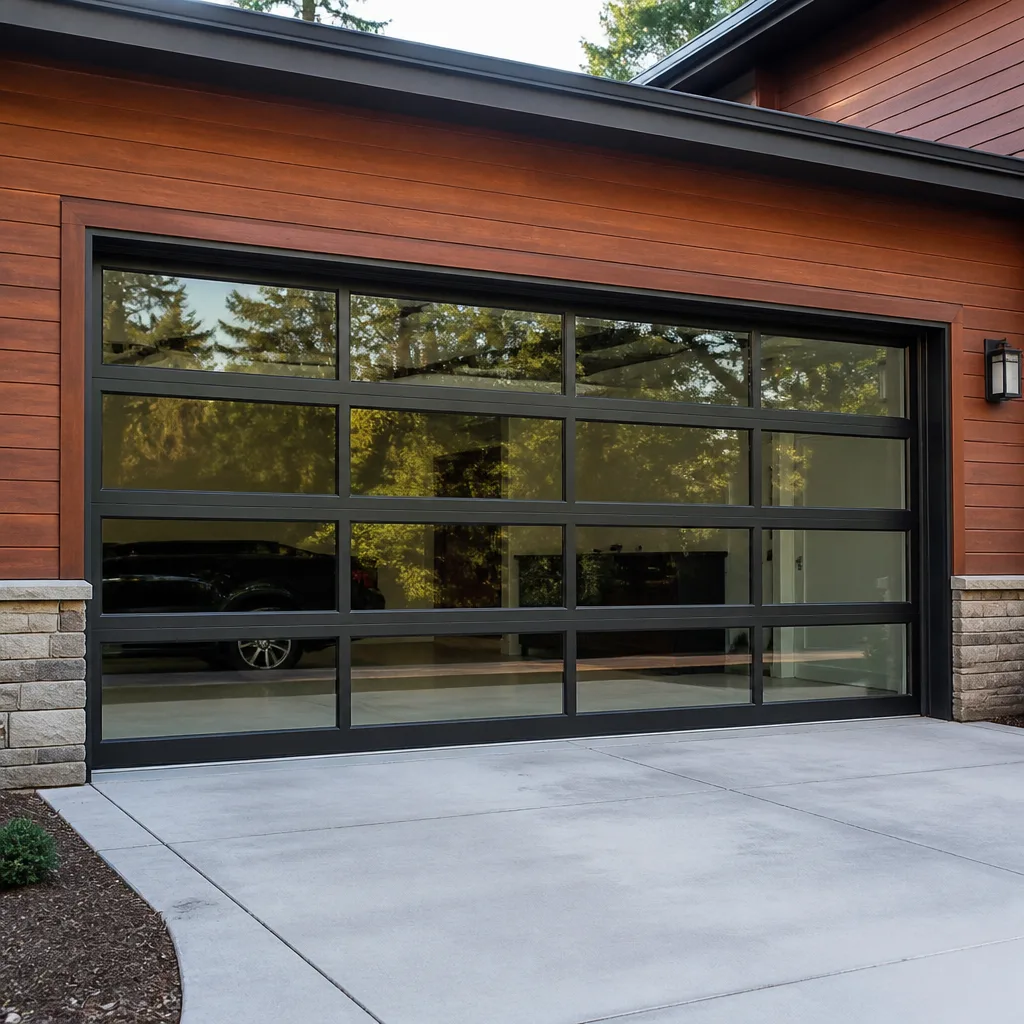 Full-view glass
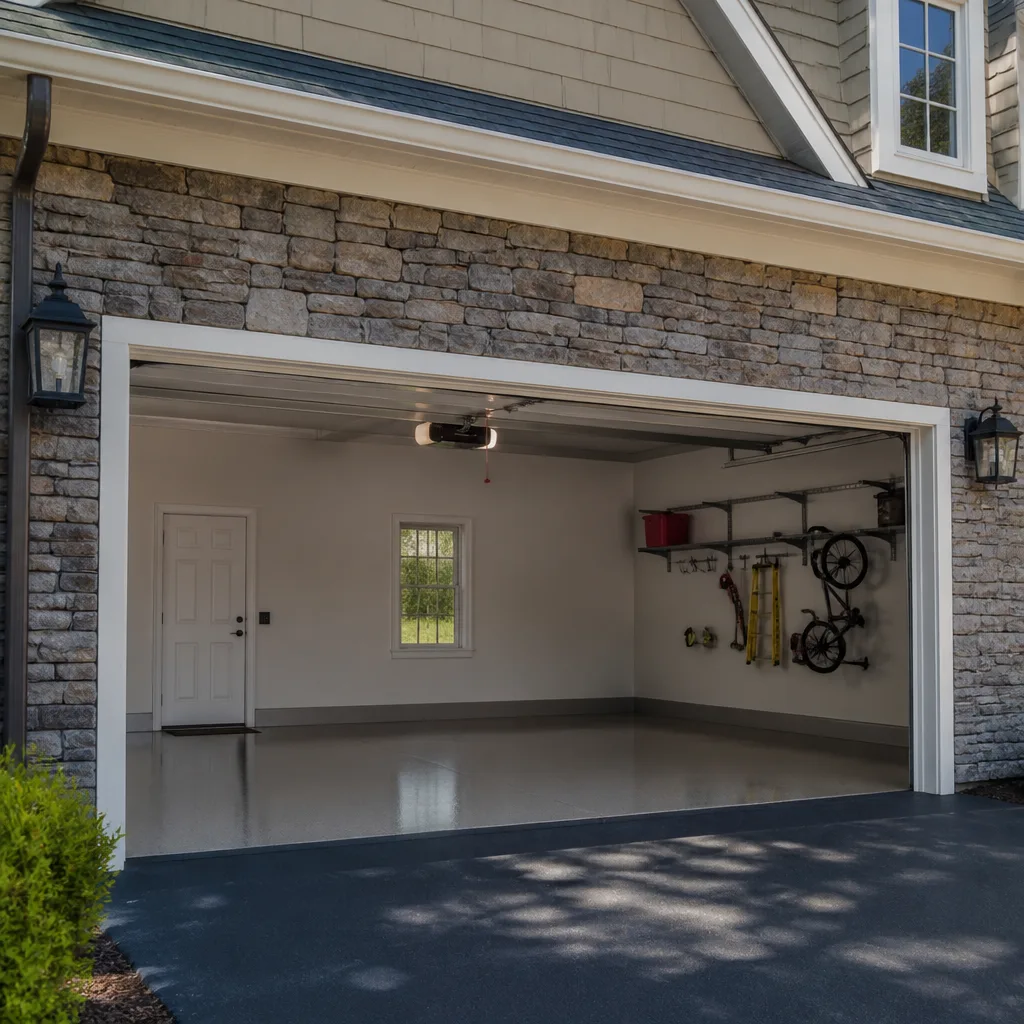 LiftMaster openers
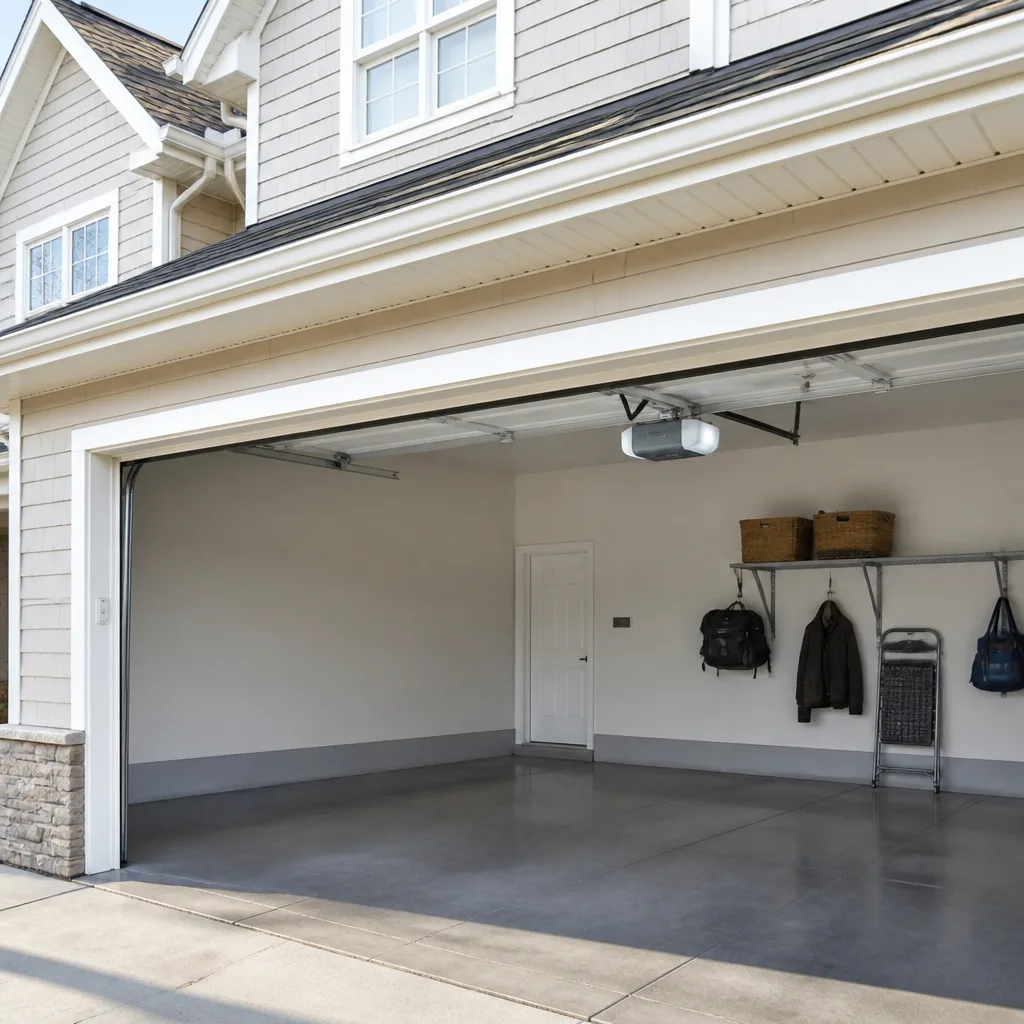 Chamberlain openers
Full 25-point door and opener safety check with every visit - springs, cables, rollers, tracks, and your LiftMaster or Chamberlain opener included
You get a price before we start. It does not change when the pro arrives.
Get your free estimateDIY vs Professional Garage Door: The Dunedin Homeowner’s Decision Guide
You can legally install your own garage door in Florida. But if the finished door doesn’t meet Pinellas County’s wind-load requirements, you’ve created a problem that surfaces the moment you try to sell the house or file a storm claim. That’s the part most DIY-versus-pro guides skip. The usual debate is skill and cost; here in Dunedin, there’s a third variable: code compliance that follows the house, not the door. This guide walks through what a competent homeowner can safely handle, what carries real injury or permit risk, and how to decide for your specific job in Dunedin rather than by blanket philosophy.
Styles & brands we work with
- Raised-panel steel
- Carriage house
- Modern flush
- Full-view glass
- LiftMaster openers
- Chamberlain openers
Quick Answer
In Dunedin, you can safely DIY cosmetic and low-tension jobs like lubricating rollers, replacing weather stripping, and touching up panels. You should not DIY torsion spring replacement, cable work, or a full-door replacement that requires a permit and wind-load compliance, because those carry serious injury risk and code liability. Anything involving springs under load or a permitted installation belongs with a trained technician.
Table of Contents
- What Dunedin Homeowners Can Safely DIY
- Why Springs Are Categorically Different
- Permits, Wind Load, and Pinellas County Reality
- The Hidden Cost of a DIY Mistake in Dunedin
- The Three-Question Decision Framework
- What a Professional Garage Door Repair Covers
- Common Mistakes to Avoid
- When to Call a Professional
What Dunedin Homeowners Can Safely DIY
Plenty of garage door maintenance is genuinely safe to do yourself, and we’d rather you keep up with it than let small problems grow. The line is tension and code, not difficulty. If the task involves loosening a component that stores energy, or it changes the door’s structural attachment to the house, it’s outside the safe DIY zone. Everything else is fair game for a careful homeowner with a stepladder.
Tasks that are safe to handle yourself:
- Lubrication. A few drops of garage door lubricant on hinges, rollers, and the opener’s chain or screw drive keeps things quiet and reduces wear. Do this a few times a year, especially in Dunedin’s humid months when grit and moisture build up on moving parts.
- Weather stripping and bottom seals. The rubber seal along the bottom of the door and the strips around the frame wear out and let in rain, insects, and hot air. Replacing them is a straightforward job with a screwdriver or a few fasteners.
- Panel touch-ups and cosmetic repair. Small dents, scuffs, and paint chips on a steel panel can be filled, sanded, and repainted. This keeps the door looking sharp and slows surface rust.
- Visual inspections. Look at the springs for gaps or rust, check that the door runs straight, and listen for new noises. Catching a problem early is the cheapest repair there is.
- Cleaning tracks and tightening exposed bolts. Wiping down the tracks and snugging up bracket bolts that have worked loose from vibration is safe as long as you’re not adjusting the torsion assembly or cables.
Anything on that list you can do in an afternoon. None of it changes how the door is anchored to the house, and none of it puts your hands near stored tension. That distinction matters more in Dunedin than in most places, because the humid air here accelerates wear on seals and moving parts, so a little routine upkeep goes a long way toward avoiding a bigger repair later.
When maintenance stops being DIY
The moment a task requires you to touch a spring, a cable, or the door’s mounting hardware, stop. Those components hold the door’s weight and control its travel. We’ve seen more than one homeowner start a “quick” adjustment and end up with a door that won’t close or a component under tension that suddenly lets go. If your maintenance list starts pointing toward repairs in that territory, that’s a sign to bring in a technician rather than push further.
Why Springs Are Categorically Different
Torsion springs hold the entire weight of the door, usually several hundred pounds, in a wound coil. When a technician winds a spring, they’re loading stored energy into that coil; the spring is literally trying to unwind with enough force to move the door. If you release that energy by accident, there’s no warning and no way to stop it. That’s why spring replacement is a separate specialty and not a weekend project.
Here’s what “torsion spring under load” means in plain physical terms:
- A torsion spring is mounted on a shaft above the door and wound tight during installation so it counterbalances the door’s weight.
- That wound spring stores rotational energy the way a wound watch stores energy, except the force is measured in hundreds of pounds of door weight, not a delicate mechanism.
- If a spring or its set screws fail while you’re working on it, the shaft can spin violently and the door can drop.
- Extension springs along the sides of the door store similar energy and can whip when they break if they aren’t contained by safety cables.
We treat spring failure as an emergency call because a broken spring usually means the door won’t open, and in Dunedin a garage door is often the main way in and out of the house. Our garage door spring repair is a dedicated service for exactly this reason: springs are the highest-tension, highest-risk component on any door, and they deserve a technician who works on them every week. If a spring has snapped, don’t try to lift the door by hand to force it; call for help.
What we actually check on a spring call
When we come out for a spring, we look at more than the broken coil. We check the shaft, the bearings, the drums, and the cables, because a snapped spring often stresses the parts around it. Replacing the spring without checking those is how a door fails again in a month. The written estimate covers what we find, and we don’t start work until you’ve agreed to it.
Permits, Wind Load, and Pinellas County Reality
A full-door replacement is a structural change to the house, and in Florida that means the door has to meet wind-load requirements set for your area. This is the section most DIY guides leave out. A new door that isn’t rated and installed to the local requirements isn’t just a safety question; it’s a permit and inspection issue that can follow the property. When you sell a Dunedin home, a buyer’s inspector or a storm claim adjuster may ask about the door, and an unpermitted installation is the kind of thing that turns into a negotiation.
What a DIY full-door replacement actually triggers:
- A permit. Most cities require a permit for a full garage door replacement. Homeowners can often pull permits themselves, but the work still has to pass inspection, and the requirements are specific. Always confirm the current process with the City of Dunedin’s building department before you buy a door.
- Wind-load documentation. The door you install needs to be rated for the wind pressure requirements of your area and installed per the manufacturer’s instructions for that rating. A door that’s rated but installed with the wrong anchors or bracing doesn’t meet the requirement.
- An inspection. The finished installation has to pass. If it doesn’t, you’re correcting it or paying someone to correct it, and the door is already on the house.
- Insurance and resale consequences. An unpermitted or non-compliant installation can complicate a claim or a sale. That’s the liability most homeowners don’t see coming.
We don’t hand out code citations, because the rules and the process belong to the city. What we can tell you is that a permitted, compliant installation is the only version that doesn’t come back to bite you later, and that’s true whether you’re in Dunedin or anywhere else in Pinellas County. If you’re replacing a door, ask the building department what the current requirements are for your address, then make sure whoever installs it can document that the door meets them.
The Hidden Cost of a DIY Mistake in Dunedin
Dunedin’s humid, salty coastal air is hard on garage doors. That’s a real environmental fact, not a sales line, and it changes the math on a DIY mistake. A misaligned track or an improperly sealed door doesn’t just look bad; it lets moisture and salt-laden air into places they shouldn’t be, and metal parts that should last years start corroding in months. A small error that would be a minor nuisance inland can shorten the life of the whole system here.
Where DIY mistakes get expensive in Dunedin:
- Track alignment. A track that’s a fraction off makes the door bind, which wears the rollers, strains the opener, and can eventually crack a panel. Fixing a track is cheap; replacing a panel or an opener isn’t.
- Improper sealing. If the bottom seal or the frame weather stripping doesn’t sit right, humid air and pests get in. Over a season, the hinges and springs rust faster, and the door gets harder to operate.
- Wrong fasteners or bracing. On a wind-rated door, the anchors and bracing matter as much as the door itself. Using the wrong ones can void the rating and create a failure point in a storm.
- Opener misalignment. A DIY opener install that’s not properly aligned with the door puts constant strain on the motor and the door. Our garage door opener repair handles everything from a grinding Genie to a LiftMaster that won’t reverse, and a lot of those calls trace back to an install that was never quite right.
The honest version: a DIY mistake on a garage door doesn’t always show up immediately. It shows up as a door that’s a little stiff, a little noisy, a little off, and then one day it stops working entirely. In a humid climate, that timeline is shorter.
The Three-Question Decision Framework
Skip the blanket “always hire a pro” or “DIY everything” advice. The right answer depends on the specific job in front of you. Ask three questions, in order, and the decision usually makes itself.
- Does the task involve stored tension or the door’s structural attachment? If yes, it’s a professional job. Springs, cables, torsion shafts, and the mounting brackets that hold the door to the house all fall here. If no, move to the next question.
- Does the task require a permit or change how the door meets wind-load requirements? A full-door replacement, and often a major track or structural repair, falls here. This is the compliance question, and it’s the one Dunedin homeowners most often overlook. If a permit is involved, a licensed professional handles the installation and documentation.
- Is the task something you can complete safely, correctly, and without special tools? Lubrication, seals, cosmetic panel work, and basic cleaning are all a yes. If you’re renting tools or watching videos to figure out the first step, that’s a no.
Run your job through those three and you’ll know. Most cosmetic and maintenance tasks pass all three. Most repair tasks fail the first one. Installation tasks fail the second. The framework is the same whether you’re in Dunedin or anywhere else in Florida, but the second question carries more weight here because of the wind-load requirements.
A quick note on “I’ll just try it and see”
We understand the appeal. The problem is that garage door failures are rarely reversible. You can’t “un-drop” a door or “un-snap” a spring, and the cost of undoing a bad attempt is almost always higher than doing it right the first time. If you’re on the fence, a free estimate is cheaper than a mistake.
What a Professional Garage Door Repair Covers
A focused garage door specialist handles the whole system, not one piece of it. That matters because garage doors fail in connected ways: a bad spring stresses the opener, a misaligned track wears the rollers, a failing opener strains the door. A general handyman who treats the door as a side job may fix the symptom and miss the cause. We work on garage doors exclusively, which means we’ve seen the same failure patterns in Dunedin homes over and over.
The full scope:
- Garage door repair for tracks, rollers, hinges, panels, cables, and everything in between. Our garage door repair is the core of what we do, and it covers any brand and any problem.
- Opener repair and replacement. We’re factory-familiar with LiftMaster, Chamberlain, Genie, Clopay, Amarr, Wayne Dalton, Craftsman, and Raynor, so we know the quirks of your specific system instead of guessing.
- Spring repair as a dedicated specialty, covered above.
- New door installation done to the local wind-load requirements, with the documentation a permit requires. A Clopay or Amarr door installed correctly is a lifetime investment; installed wrong, it’s a liability.
- Emergency garage door service for broken springs, doors stuck open, and openers that fail without warning. When your garage door stops, your day stops, and a stuck-open door leaves the house exposed.
Same visit diagnosis and repair is the goal on most calls. We explain what’s wrong before we touch anything, give you a written price, and don’t start until you’ve agreed to it. That’s not a sales pitch; it’s how we avoid the invoice-surprise problem that makes people dread calling a repair company.
Why brand familiarity matters
A Wayne Dalton door and a Clopay door don’t fail the same way, and their openers don’t behave the same way either. Knowing what you’re looking at before you arrive saves diagnostic time and prevents the wrong part from being ordered. It also means we can tell you straight whether a repair is worth it or whether replacement makes more sense for your Dunedin home.
Common Mistakes to Avoid
- Forcing a door that won’t open. If the door won’t move, something is binding or a spring has failed. Forcing it by hand can bend panels, snap a cable, or damage the opener. Call for help instead of muscling it.
- Adjusting springs yourself. This is the mistake that causes the most serious injuries. Torsion springs hold hundreds of pounds of force, and there’s no safe way to release that by hand. Leave it to a technician.
- Installing a door that doesn’t meet wind-load requirements. A door that isn’t rated and installed correctly for your area is a permit and insurance problem waiting to surface. Confirm the requirements with the City of Dunedin’s building department before you buy.
- Skipping the permit. It’s tempting to save the step, but an unpermitted installation can complicate a sale or a storm claim. The permit exists for a reason, and the inspection is your protection.
- Ignoring corrosion in the humid months. Dunedin’s salty, humid air speeds up rust on hinges, springs, and tracks. A little lubrication and a quick visual check a few times a year prevents a much bigger repair.
- Letting a small alignment issue ride. A door that’s slightly off-track or noisy gets worse. What would have been a cheap track adjustment becomes a roller, panel, or opener replacement if you wait.
- Hiring a generalist for a specialist job. A handyman who treats garage doors as a side service may not know your brand or the local code requirements. A single-trade specialist handles the whole system and does it right the first time.
When to Call a Professional
Call us when the door won’t open or close, when you see a gap in a spring, when the door is visibly off-track, or when the opener reverses, grinds, or stops mid-travel. Call if you’re replacing a full door, because that job involves a permit and wind-load compliance that need to be done right. And call if you simply aren’t sure; walking through the job with a technician takes two minutes and may save you a week of trial and error. We answer 24/7 and dispatch from 7am to 7pm, Sunday through Friday, with same-day service on most repair calls and free estimates on everything. Garage Door Repair Dunedin offers free estimates in Dunedin. Call (877) 492-3256.
Same-Day Repair. We answer 24/7. Fast dispatch from 7am to 7pm, Sunday through Friday. If your door is stuck, we can usually get to you the same day.
Frequently Asked Questions
You can legally pull a permit and do it yourself in many cases, but the installation must meet Pinellas County wind-load requirements and pass inspection to avoid problems at resale or claim time. Because of that compliance layer, most Dunedin homeowners are better served by a professional installation that documents the rating and the install. Call (877) 492-3256 for a free estimate.
Yes. Torsion and extension springs store hundreds of pounds of force, and a sudden release can cause serious injury or worse. Spring replacement is the one garage door task we never recommend DIYing, and it’s why we keep spring repair as a dedicated service. Call (877) 492-3256 and let a technician handle it.
Lubrication, weather stripping and bottom seals, cosmetic panel touch-ups, and visual inspections are all safe for a careful homeowner. Clean the tracks and tighten exposed bolts too, as long as you stay away from springs and cables. Anything involving tension or the door’s structural attachment is a professional job.
Most cities, including Dunedin, require a permit for a full garage door replacement, and the work has to pass inspection. Homeowners can often self-permit, but the requirements are specific. Confirm the current process with the City of Dunedin’s building department before you buy a door. Call (877) 492-3256 if you’d like a free estimate on a compliant installation.
Dunedin’s humid, salty coastal air accelerates corrosion on hinges, springs, and tracks, and causes seals to degrade faster than they would inland. A misaligned track or a poor seal lets that moist air into places it shouldn’t be, which shortens the life of the whole system. Routine lubrication and a quick visual check a few times a year make a real difference. Call (877) 492-3256 if you notice rust or a door that’s gotten stiff.
We answer 24/7, and we dispatch from 7am to 7pm, Sunday through Friday, with same-day service on most repair calls. If your door is stuck open or won’t open, call (877) 492-3256. We’re closed Saturday, but we’re open Sunday through Friday and can get you booked in. Estimates are free, and the price is agreed before any work starts.
The Bottom Line
In Dunedin, the DIY-versus-pro question isn’t just about skill. It’s about stored tension, wind-load compliance, and a humid, salty climate that punishes small mistakes. Do your own lubrication, seals, and cosmetic work. Leave springs, cables, and anything that needs a permit to a trained technician. Run your job through the three-question framework: if it involves stored tension or a structural change, it’s a professional job. Garage Door Repair Dunedin covers the whole system, from a grinding opener to a full permitted installation, with free estimates and a written price before work begins. Call (877) 492-3256 to get started.
For the full range of what we handle, start with Garage Door Repair Dunedin. We answer 24/7. Fast dispatch from 7am to 7pm, Sunday through Friday.
Written by the team at Garage Door Repair Dunedin.
See the difference
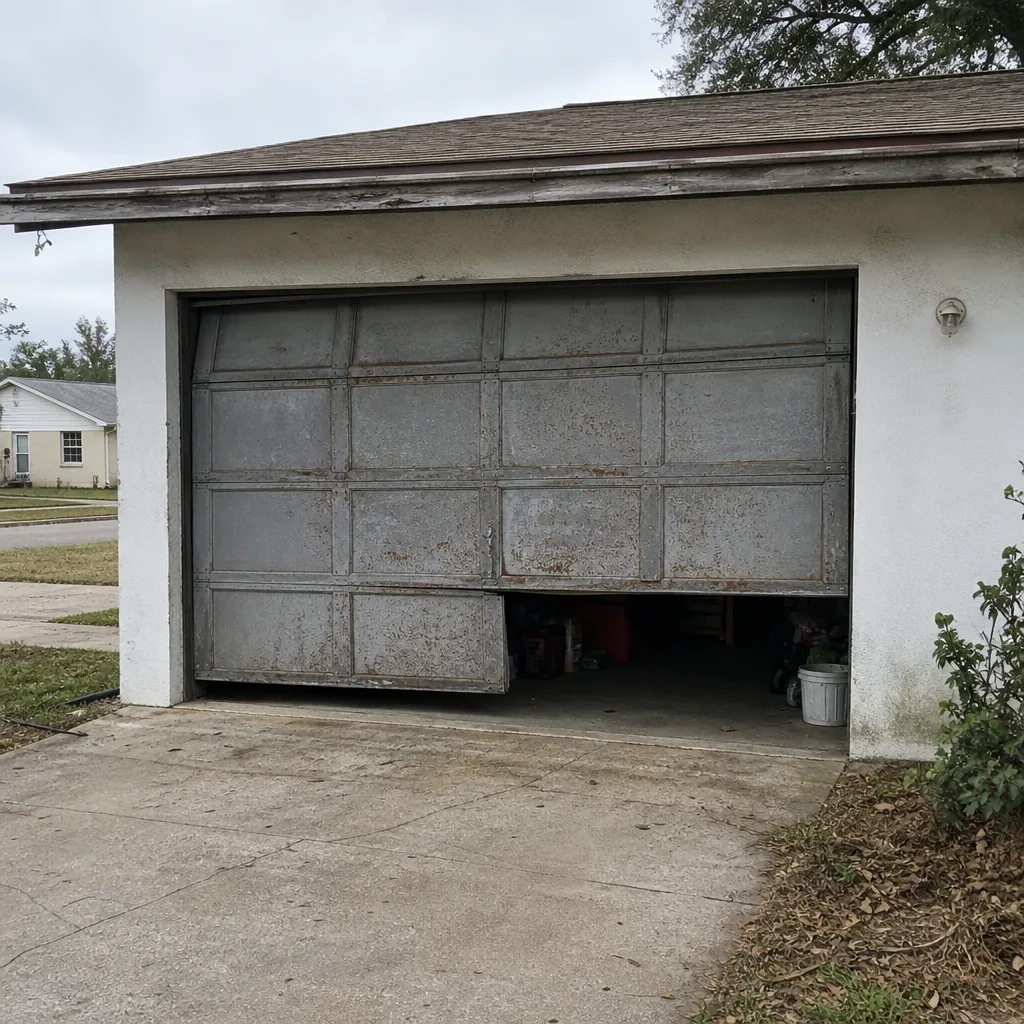 Before
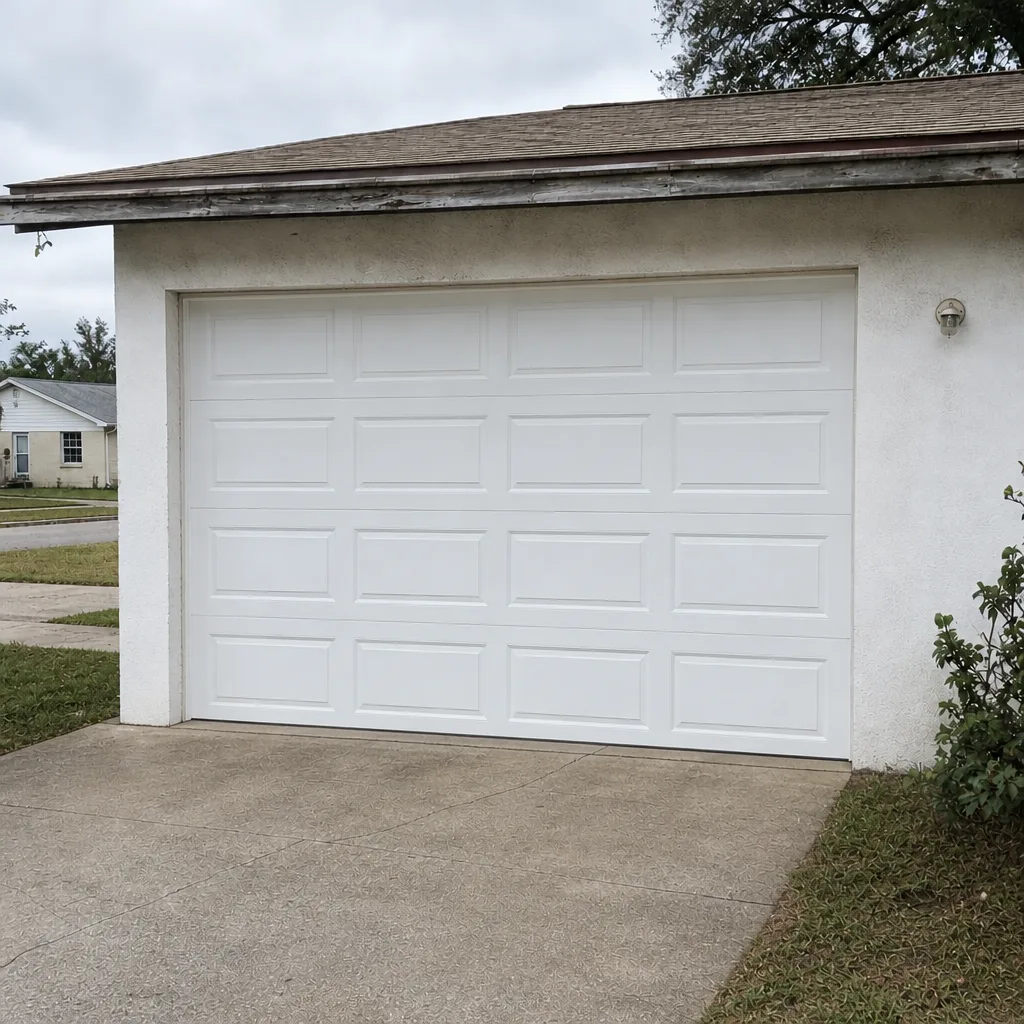 After
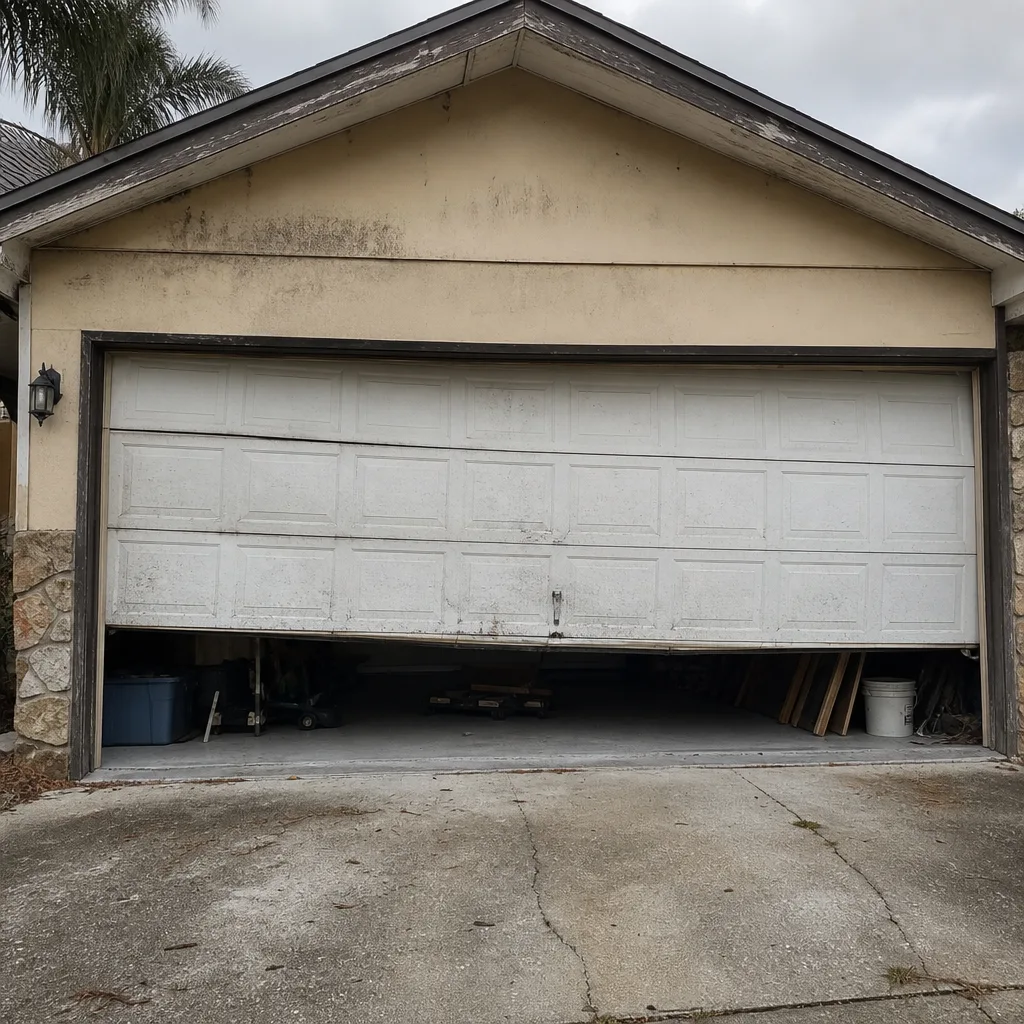 Before
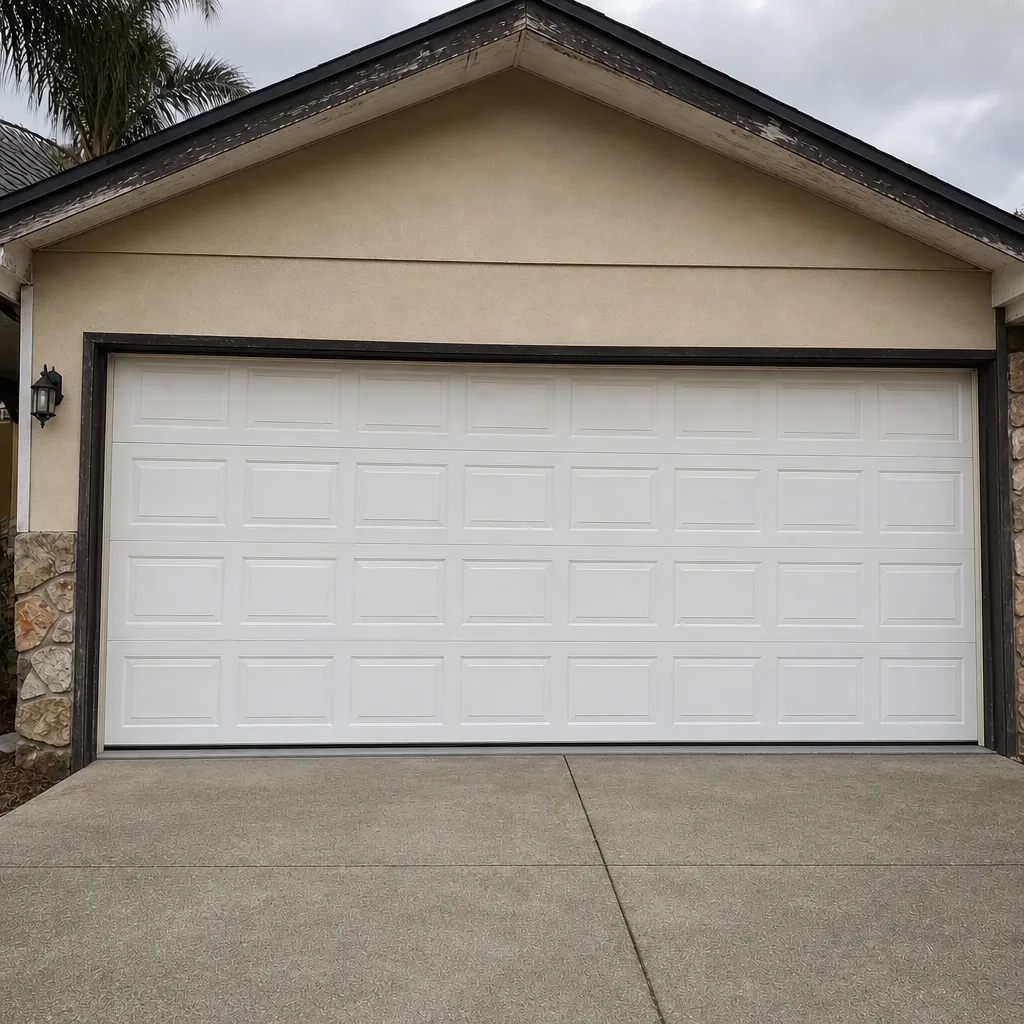 After
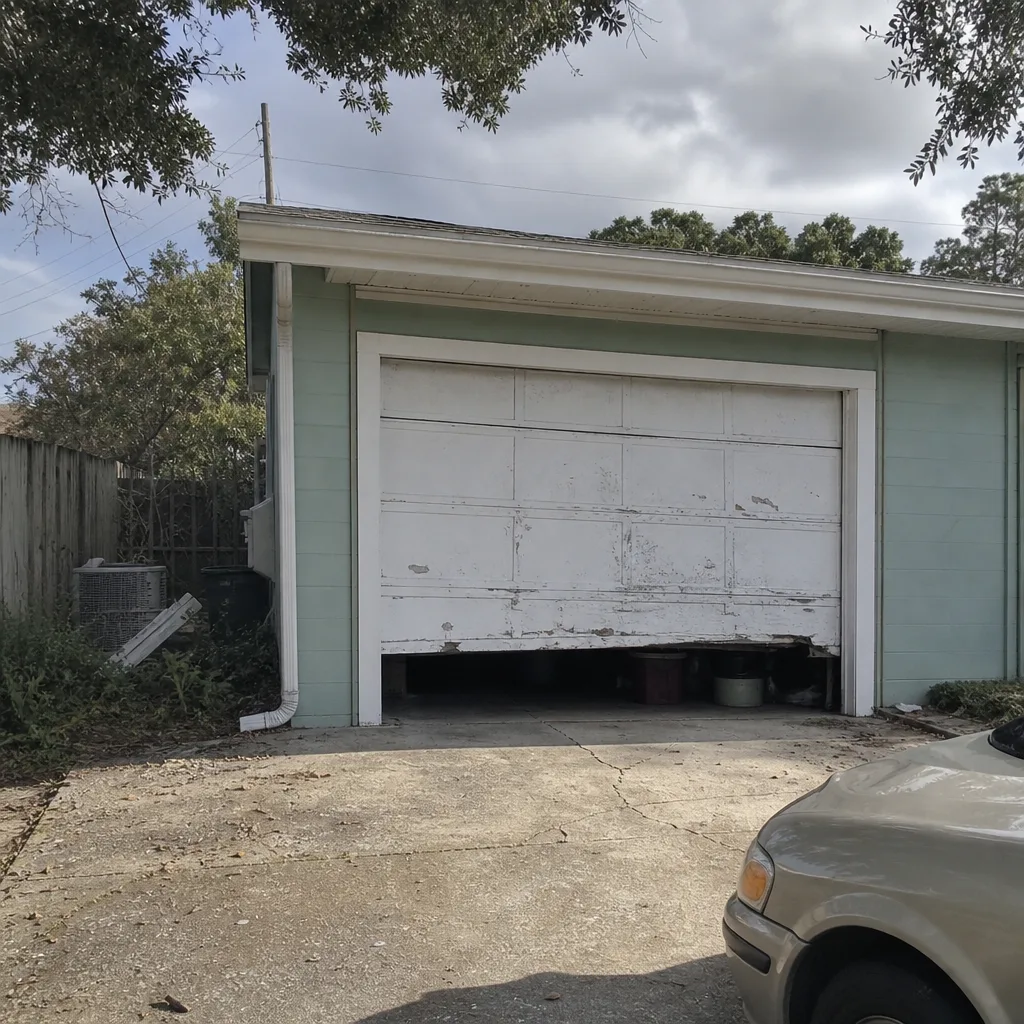 Before
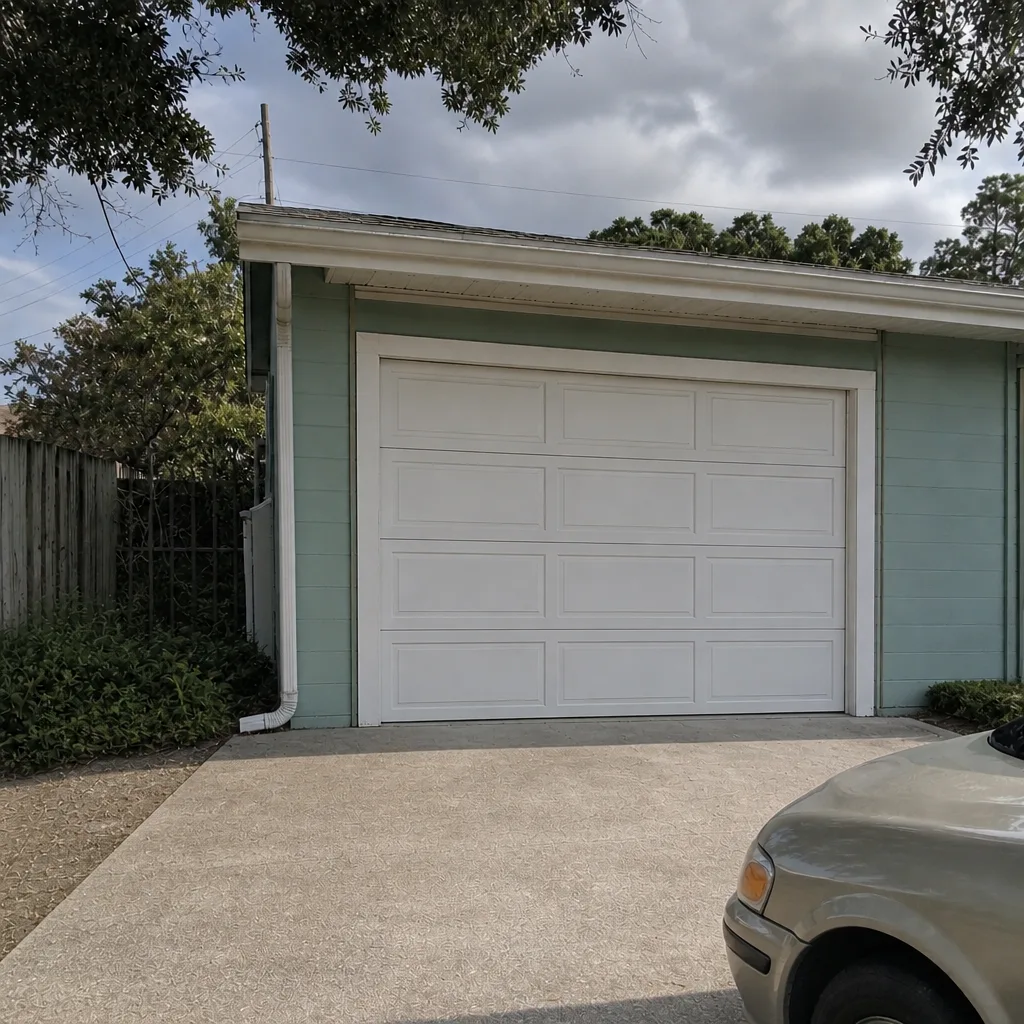 After