
Last updated November 22, 2026
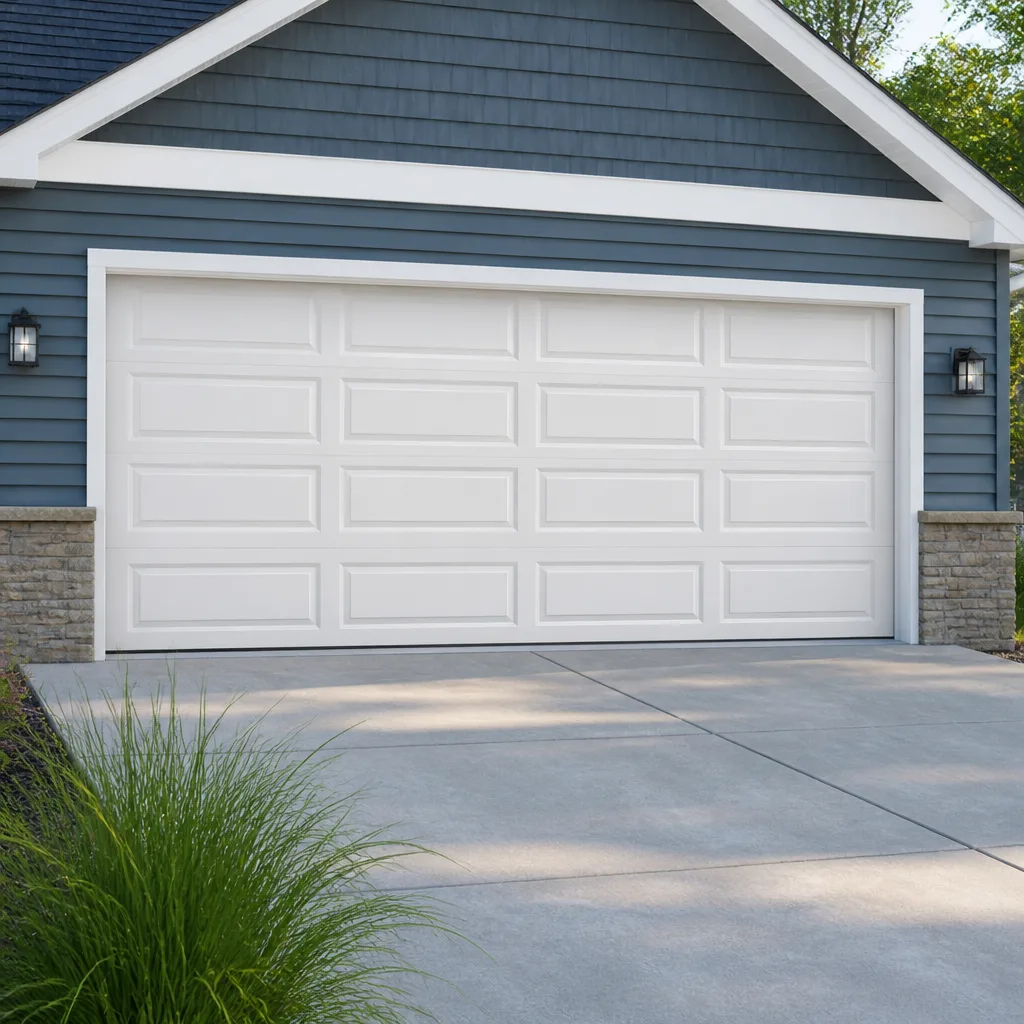 Raised-panel steel
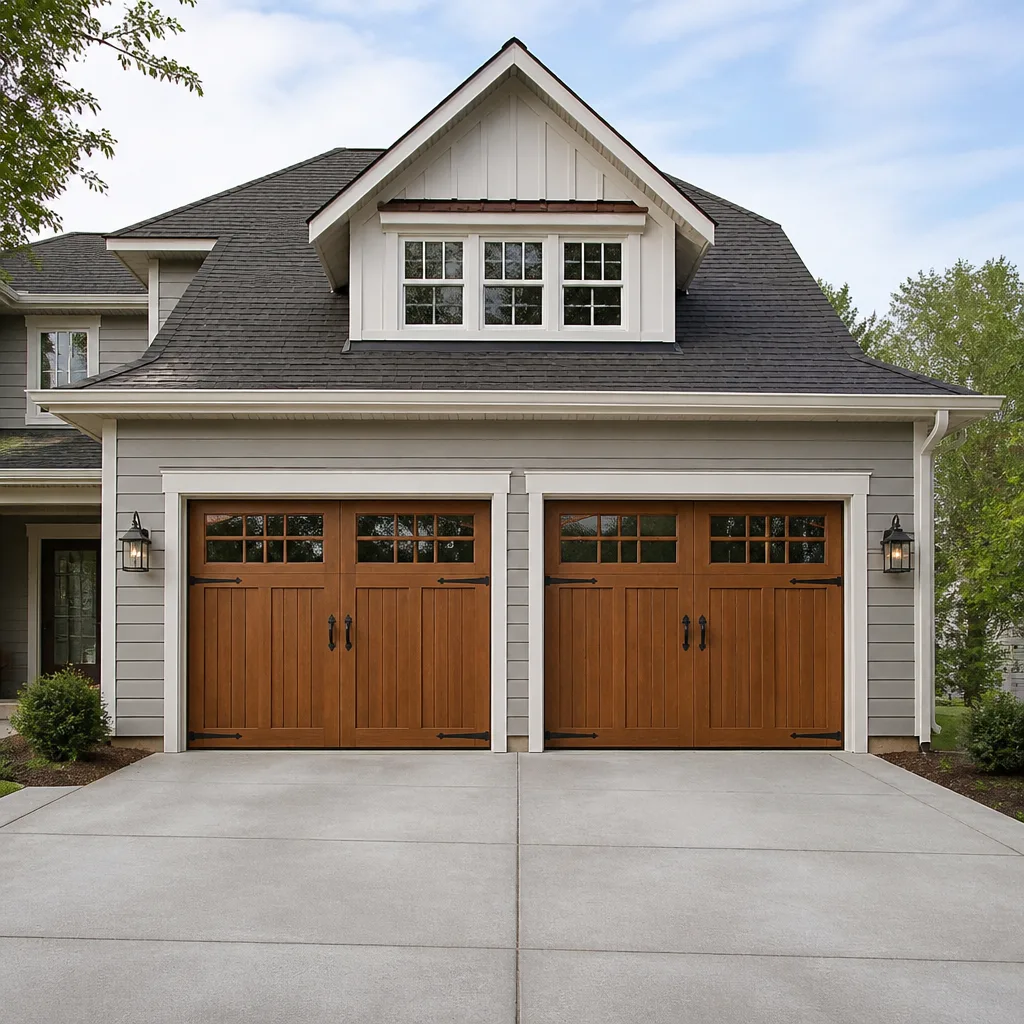 Carriage house
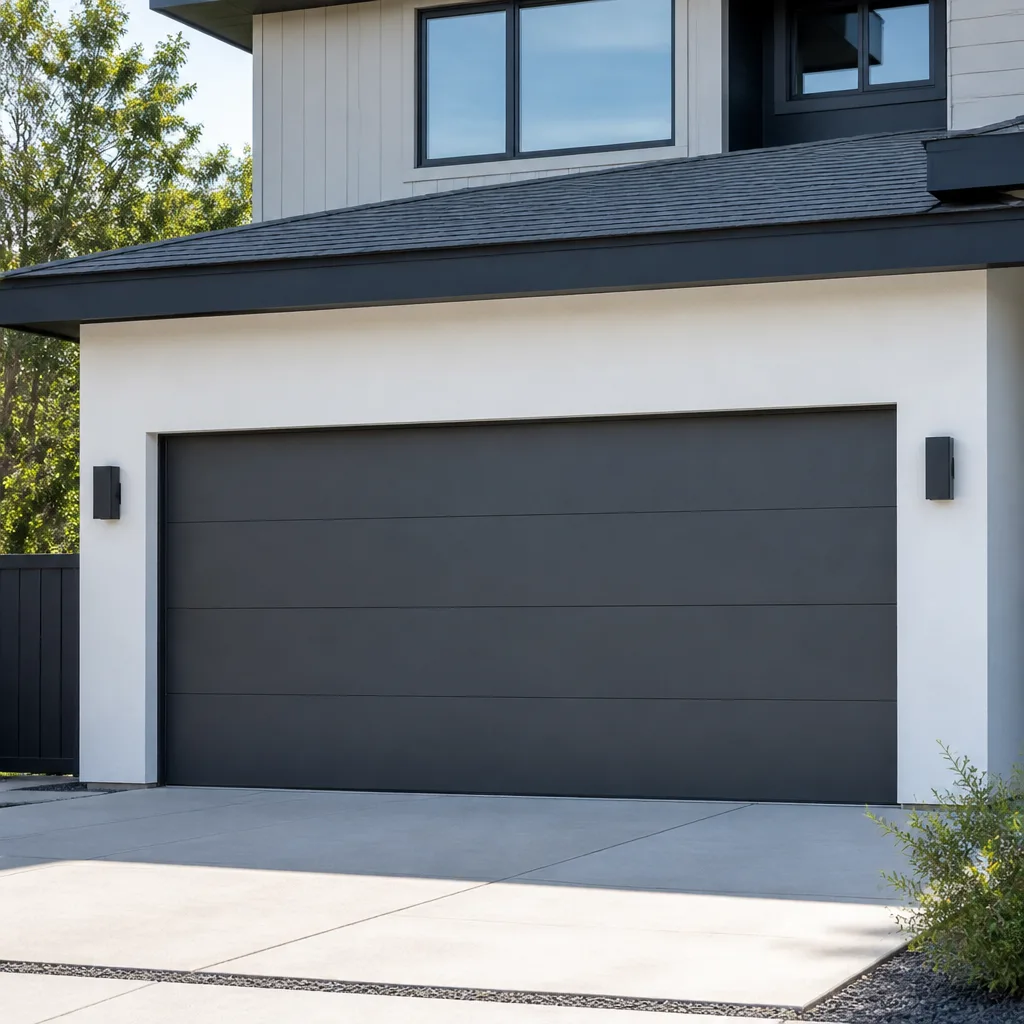 Modern flush
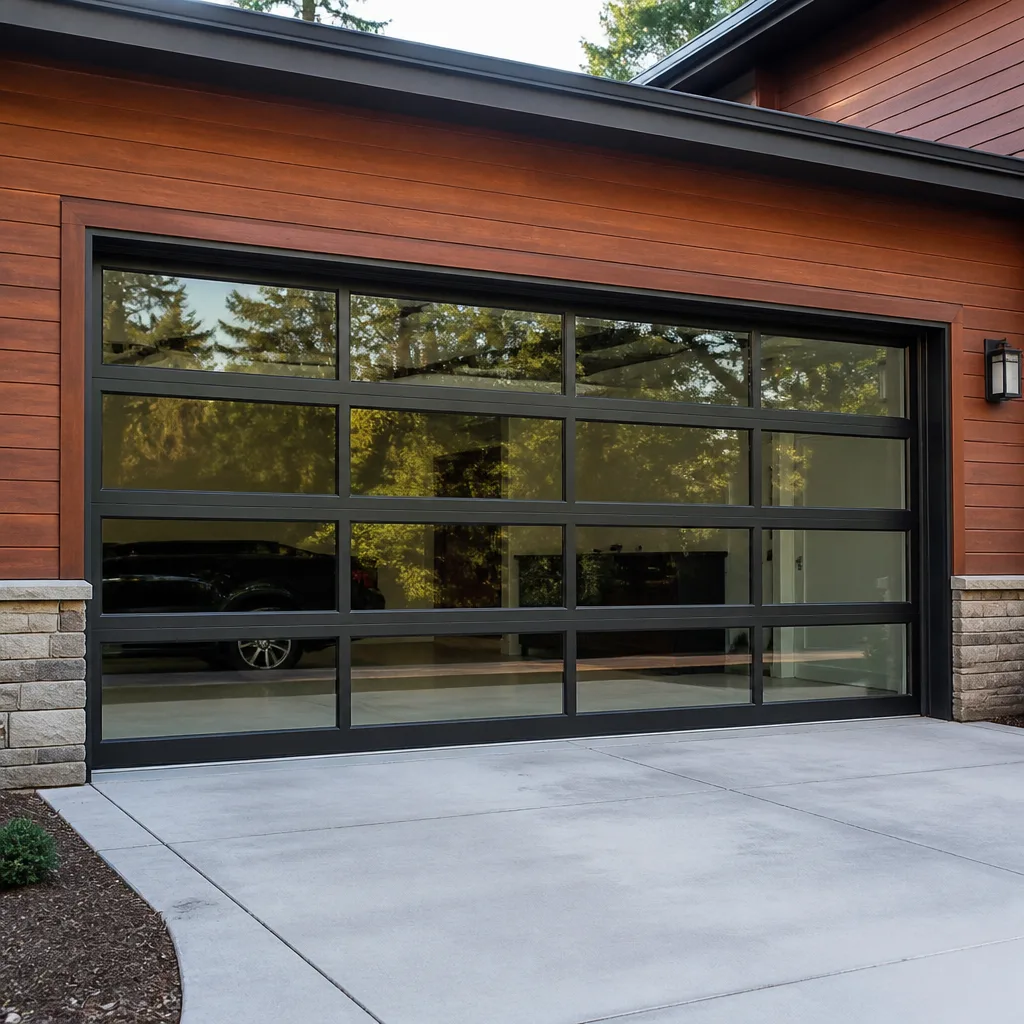 Full-view glass
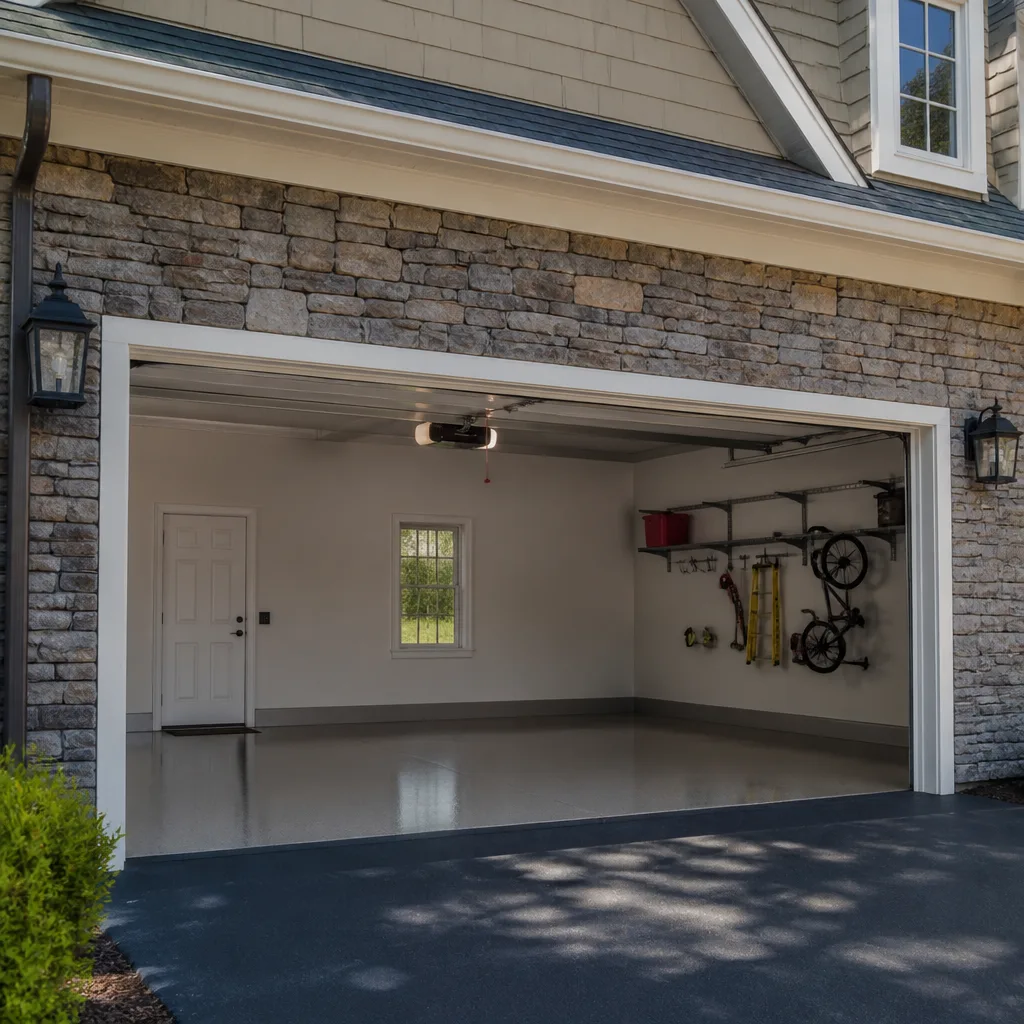 LiftMaster openers
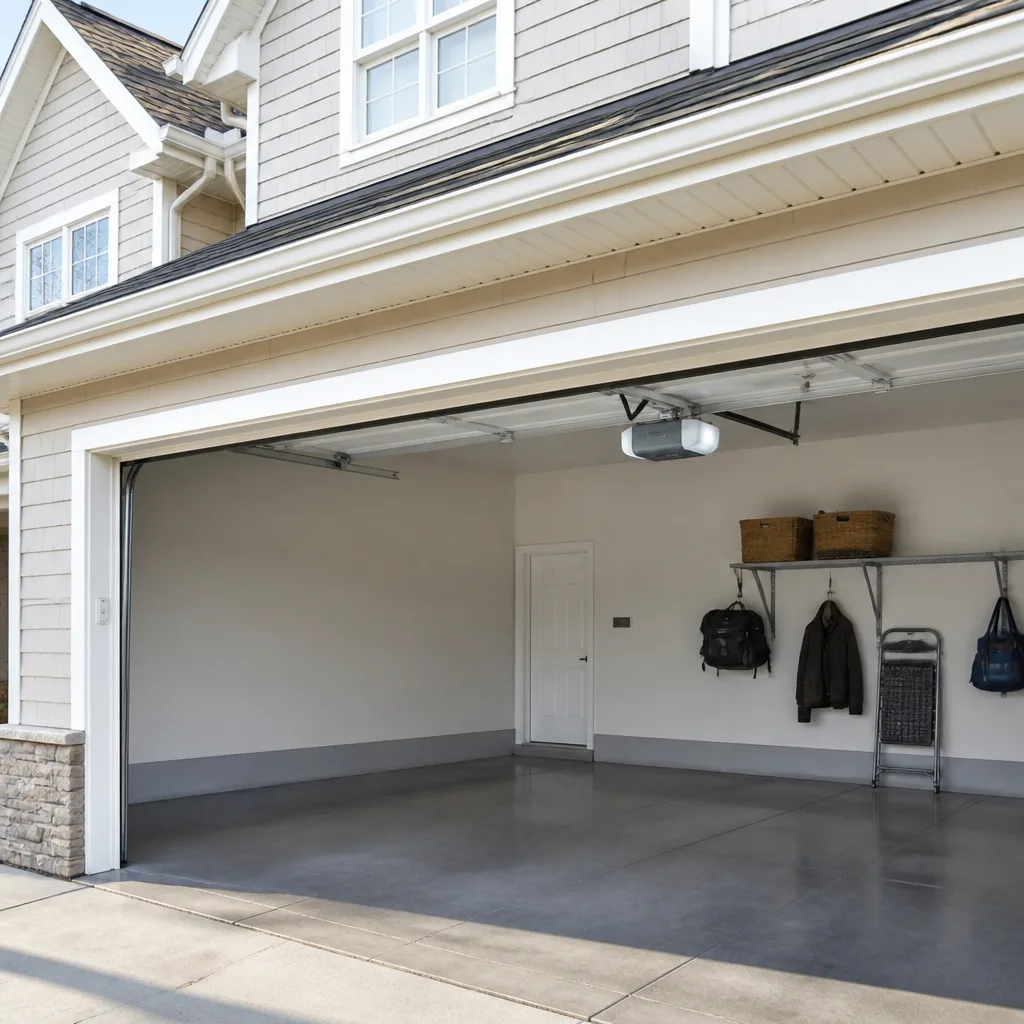 Chamberlain openers
Full 25-point door and opener safety check with every visit - springs, cables, rollers, tracks, and your LiftMaster or Chamberlain opener included
You get a price before we start. It does not change when the pro arrives.
Get your free estimateGarage Door Emergency Preparedness Guide for Dunedin Homes
Most Dunedin homeowners spend storm season thinking about the roof, the windows, and the trees. Almost nobody tests the one opening on their house that gives a storm a way in, and that they may need to open by hand in the dark. Here’s the lesson from every hurricane season: garage doors fail in ways that have nothing to do with wind tearing them off. A dead opener, a seized trolley, a snapped spring, a door that won’t latch – any of these can trap the car or leave the house open right when you can’t fix it. This guide walks through the checks, the wind-load rating, the manual release, the first-ten-minutes decision tree, and the post-storm inspections that keep a surviving door from failing later. We’ll keep Dunedin conditions in view throughout.
Quick Answer
Garage door emergency preparedness in Dunedin means three things done before a named storm: testing your opener’s manual release so you know you can lift the door without power, confirming your door’s wind-load rating against what your wind zone requires, and saving a garage door specialist’s number in advance. After a storm, inspect the door, tracks, cables and springs before you press the opener button, because a door that looks fine can fail on the first cycle.
Styles & brands we work with
- Raised-panel steel
- Carriage house
- Modern flush
- Full-view glass
- LiftMaster openers
- Chamberlain openers
Table of Contents
- Why Your Garage Door Is Emergency Infrastructure
- How to Test and Use the Manual Release
- Checking Your Door’s Wind-Load Rating
- The First Ten Minutes: Fix, Brace, or Board
- Preparing Your Emergency Contacts
- Post-Storm Safety Checks Before You Open the Door
- Your Before-Season Garage Door Checklist
- What Makes Dunedin Different
Why Your Garage Door Is Emergency Infrastructure
Treat the garage door the way you treat your roof and shutters. It’s a large, moving, spring-loaded system on the primary pressure boundary of your home, and it’s the widest opening in the building. When it fails during or after a storm, the consequences stack up quickly: a car trapped inside, a house left unsecured, a door hanging off its tracks that you can’t safely move.
There’s a second layer to it. A garage door is one of the only parts of your home that you operate with a motor, a spring under tension, and a chain of mechanical parts between you and the opening. Every one of those parts has a failure mode, and most of them don’t announce themselves. They wait for the morning you’re leaving for work or the night a storm is coming.
In Dunedin, the gap between “prepared” and “caught out” is narrower than most people realize. The local housing stock includes plenty of homes whose garage doors were installed years ago, under whatever standards applied at the time. Door technology and wind-load requirements have moved on. When we evaluate a door, we look at the whole system: the opener, the springs, the tracks, the panels, and the anchor bolts holding the whole thing to the wall. Any one of those is a weak link.
Preparedness isn’t about fear. It’s about doing a set of small checks when the weather is calm, so that when the weather isn’t, you’re not improvising in the dark. Our full service range – garage door repair, opener repair, spring work, installation and emergency response – is built around that idea.
How to Test and Use the Manual Release
Every automatic garage door opener has a manual release. It’s the cord you pull to disconnect the door from the opener so you can lift it by hand. It is also the single most ignored component in the entire system. During storm seasons, the most common garage-related failure we see isn’t wind damage. It’s a homeowner discovering, mid-storm, that the release doesn’t work, the door won’t lift, and they’ve never tested it.
Testing the release takes under a minute and should be done well before storm season, when the weather is calm and you have time to notice a problem. In our experience, doors that have been sitting on the same opener for years are the most likely to fail this test.
- Close the door fully and disconnect the opener – either by pulling the release cord or by switching off the opener at the wall control.
- Pull the release handle straight down. You should feel it disengage the trolley. If it resists, don’t force it; that’s a sign the trolley is seized or the release mechanism is jammed.
- Lift the door by hand to about waist height and let it settle. A healthy door will hold roughly where you let it go, supported by the springs. A door that slams down is a spring problem.
- Lower it back down gently and re-engage the trolley by pressing the opener button or pulling the door’s carriage back toward the opener.
- Run a full cycle to confirm the door reconnects and travels normally. If it doesn’t, stop and get it looked at before storm season.
Why the release fails
The release itself rarely breaks. What fails is everything around it. The trolley can seize from lack of use. The cord can be too short or too long, so it either doesn’t disengage or tangles. Springs can lose tension, so even with the door disconnected you can’t physically lift it. And the release on an older LiftMaster or Chamberlain opener may be routed differently than the one on a Genie or Raynor system, which matters if you’ve never used it before.
What to check before storm season
- Pull the release cord and confirm it disengages the door from the opener.
- Lift the door by hand and confirm it stays roughly where you leave it, not slamming down.
- Confirm the door re-engages cleanly and the opener runs it normally afterward.
- Make sure the release cord hangs where you can reach it without a ladder.
- If anything feels stiff or wrong, get it checked. This is also where a dedicated garage door opener repair call pays for itself.
If your door won’t lift by hand at all, or you have to fight it, that points to a spring or balance problem, and that’s a professional job. Don’t try to adjust the springs yourself.
Checking Your Door’s Wind-Load Rating
Most homeowners have no idea what wind speed their garage door is rated for, or whether it meets the requirements for their wind zone. This matters in Dunedin because the garage door is one of the largest and most vulnerable surfaces on the building envelope. A door with an inadequate rating is a hole in your wind protection, no matter how good the rest of the house is.
How to find your door’s rating
Every rated garage door carries a label, usually a sticker or plate on the door itself. It shows the manufacturer, the model, and the design pressure or wind speed it was tested to. Look on the inside face of the door, on the bottom panel, or on the door’s edge. Often the label is on the door’s back side where the door meets the floor.
If you can’t find it, three ways to trace it:
- Check the original paperwork or permit records for the home.
- Contact the original installer or manufacturer and give them the door model.
- Ask a garage door specialist to identify the door and check the rating.
Comparing rating to requirement
Laws, code cycles, wind-zone maps and inspection requirements differ by jurisdiction, and they can change. Some doors were installed under earlier rules. The only reliable answer is to ask your city’s building department what applies to your home, and to confirm your door is rated for it. If you’re not sure, having the rating checked is a five-minute conversation with a professional.
What to do if there’s a gap
Sometimes a door is rated correctly but the hardware isn’t. Missing anchor bolts, worn hinges, a weak header mounting, or a single undersized center strut can mean the door doesn’t perform the way its label says. A specialist can tell you whether the fix is reinforcement or a full replacement. If it’s a replacement, the new door needs to be rated properly for your home, and the specs need to match the installation. Our garage door spring repair and installation work both start with checking how the door was originally hung.
The First Ten Minutes: Fix, Brace, or Board
When your garage door fails the night before a named storm, you have about ten minutes to make a decision. Not hours. Not a weekend. The wrong call leaves your home open or puts you on a ladder in rising wind. The right call depends on the failure. Here’s the decision tree we walk through with homeowners.
Step 1: Identify what actually failed
- Opener won’t run: Check the breaker, the wall switch, and the safety sensors. If the door can be lifted by hand, disconnect the opener and operate it manually.
- Door won’t lift by hand: That’s a spring or balance problem. Do not try to force it. Springs are under very high tension, and a snapped spring can cause serious injury. Call a professional.
- Door stuck open or partially open: Secure it as best you can with a brace if the door is stable, and get a locked position before the wind rises.
- Track bent or door off its rollers: Stop. Don’t run the opener. This is a physical failure that can’t be fixed from a stepladder in the dark.
Step 2: Decide – fix, brace, or board
- Fix: Only if the failure is minor and safe to address – a disconnected trolley, a released manual release, a tripped breaker. Anything involving springs, cables or the door itself is out of scope for DIY.
- Brace: If the door is intact but won’t latch or you need to secure it against wind, a properly positioned brace across the door’s interior can help hold it, but only if it doesn’t interfere with the door’s tracks or pressure.
- Board: If the door is unsafe to operate and you have time, closing it and boarding the opening is the fallback. Get the car out first. Your life and your car matter more than the door.
Step 3: Call
Call us. We answer 24/7. Fast dispatch from 7am to 7pm, Sunday through Friday. A call outside dispatch hours is booked into the next opening, Sunday through Friday, 7am to 7pm. If it’s the night before a storm, we’ll tell you what to do in the meantime, and we’ll be there as soon as possible.
Preparing Your Emergency Contacts
Having the right number saved matters more in Dunedin than in an inland city. Storms, power outages and coastal weather patterns mean garage door failures here can happen in clusters, and the specialist who knows your brand and your home is worth having on speed dial. Yet most homeowners don’t have a garage door specialist saved at all. They wait until the door is stuck and then start searching.
Here’s what to have ready before storm season:
- The garage door specialist: Save the number and put it somewhere you’ll find it without electricity. A note in the glovebox or on the fridge works.
- Your opener brand and model: Knowing you have a LiftMaster, Chamberlain, Genie or Raynor system lets a technician bring the right parts and know the quirks of that specific opener.
- Your door’s wind-load rating: If you’ve tracked it down, note it. If not, get it checked before storm season.
- Your insurer’s phone number: If the failure is wind-related damage, you’ll want to report it and get an adjuster out. We can work with your insurer’s process.
- A neighbor’s contact: If you’re out of town when a storm hits, someone nearby can check the door and call for you.
Round it out with the basics: the local utility, your home security company if you have one, and a way to get in and out of the house without using the garage. If the garage door is your primary entrance, have a plan B for the door into the house and know where the keys are.
For anything in the emergency category – a Garage Door Repair Dunedin call after a spring snaps, a door stuck open in wind, or an opener that fails without warning – we’re set up for it. Same-day service is common, and you’ll get a straight diagnosis and a written estimate before any work starts.
Post-Storm Safety Checks Before You Open the Door
After a storm passes, the instinct is to hit the opener button and get back to normal. Don’t. A door that survived a hurricane can still fail on its first cycle, and the failure mode is more dangerous than the original problem. Do a visual inspection before you press the button. Ten minutes of checking prevents a door coming off its tracks or a cable snapping while you’re standing under it.
- Look at the door panels. Check for dents, twisting, or panel separation along the seams. A twisted door will bind in the tracks and fail on the first cycle.
- Inspect the tracks. Tracks should be straight and parallel. Any bend, dent, or misalignment is a stop signal – don’t run the opener.
- Examine the cables and springs. Look for frayed cables, slack or broken springs, or any component hanging loose. Springs and cables are under high tension. Don’t touch a broken one – call a professional.
- Check the hinges and rollers. Look for rust, cracks, or rollers sitting out of the track. A single bad roller can bind the entire door.
- Check the anchor bolts and the header. Look at where the door’s hardware is mounted to the wall above the door. Pulled or missing bolts mean the mounting isn’t secure.
- Test by hand first. Disconnect the opener, lift the door by hand, and lower it. If it binds, slams, or doesn’t stay where you leave it, don’t re-engage the opener.
- Run one cycle at slow speed if you’re confident. Only after the visual and hand checks pass, run the opener one full cycle while watching the door.
Secondary failures are the pattern. A door that bent a hinge in the storm works fine for a week and then binds badly, snaps a cable, or throws a roller on the day you need the car. Post-storm inspection is the step that catches those.
Your Before-Season Garage Door Checklist
Run through this once a year, ideally before storm season, while the weather is calm. It takes about twenty minutes, and each item catches a failure mode that’s much worse to discover during a storm. If anything on the list doesn’t pass, get it checked before the next system rolls through.
- Test the manual release: Pull the release cord and disconnect the opener. Lift the door by hand and confirm it holds. Re-engage and run a full cycle.
- Look for the wind-load label: Confirm your door’s rating is on file and matches what your home needs. Ask the city’s building department if you’re unsure.
- Inspect the springs: Look for gaps, breaks or sagging in the torsion spring above the door, or on the extension springs on either side. A broken spring means the door is dangerously unbalanced – do not attempt a DIY fix.
- Check the cables: Look for fraying, kinks or slack. Cables under tension can cause serious injury if they snap. Call a professional for anything that looks wrong.
- Test the opener’s safety reverse: Place an object in the door’s path and run the door. If it doesn’t reverse, get the opener serviced.
- Check the battery backup: If your opener has a battery backup, confirm the battery is holding a charge. A dead backup battery means the door won’t open in a power outage – which is exactly when you need it.
- Inspect the door’s seals and bottom weatherstrip: A damaged bottom seal lets water and wind under the door. Replace it before storm season.
- Save the specialist’s number: A garage door specialist, not a general handyman. Make sure you know who to call before you need to call.
That last point matters. A garage door is not a side service for a general contractor. It’s a system of springs under high tension, cables, tracks, rollers, hinges and a motorized opener. Our technicians work on garage doors exclusively, which is why the diagnosis tends to be right the first time.
What Makes Dunedin Different
Dunedin sits in a place where garage door preparedness has to be part of the annual rhythm, not an occasional thought. The broader climate around Dunedin is mild for most of the year, but storm season brings the kind of weather that tests every opening in a home. The difference between a house that comes through it fine and one that doesn’t is usually whether the garage door was checked in the calm weeks before.
There’s a second local factor: the housing stock. Dunedin has a mix of older homes and newer construction, and the garage doors reflect that. A door installed years ago may have been rated to an earlier standard. An opener on an older door may be a brand we know well – LiftMaster, Chamberlain, Genie, Raynor – but at an age where the manual release, the safety reverse, or the springs need attention. That’s not a defect in the door. It’s just the reality of a system that’s been quietly aging while the house around it got updated.
We also see a pattern with homeowners who’ve moved to Dunedin recently. Their previous home may not have needed the same kind of garage door scrutiny, so they’ve never tested the manual release or checked a wind-load rating. There’s nothing wrong with that – most people haven’t. The fix is to add the garage door to the same annual list as the roof, the windows and the shutters.
The good news is that the checklist is short, the manual release test takes under a minute, and the wind-load check is a five-minute conversation. Most of the work is knowing where to look.
Common Mistakes to Avoid
- Testing the manual release for the first time during a storm. This is the most common and most avoidable mistake. Test it in calm weather, so you have time to fix what’s wrong.
- Assuming the opener will work without power. If you don’t have a battery backup, or the backup battery is dead, the opener is useless in an outage. Test the battery at the start of storm season.
- Forcing a door that won’t lift by hand. If a spring is broken, forcing the door risks the door coming down or the cable snapping. Springs are under high tension. Call a professional.
- Ignoring a bent track after a storm. A bent track is a system failure waiting to happen. It doesn’t fix itself, and it usually fails on the first cycle.
- Calling a general handyman for a garage door emergency. Springs, cables and opener diagnostics are specialized work. A generalist may diagnose the wrong part or miss the underlying cause.
- Skipping the post-storm inspection because the door “looks fine.” Doors that survive a storm often fail later in the week when a hinge or cable gives way. Inspect first.
- Not checking the wind-load rating. Some doors were installed under earlier standards. Confirm your rating is what your home needs, and ask the city’s building department for what applies to you.
See the difference
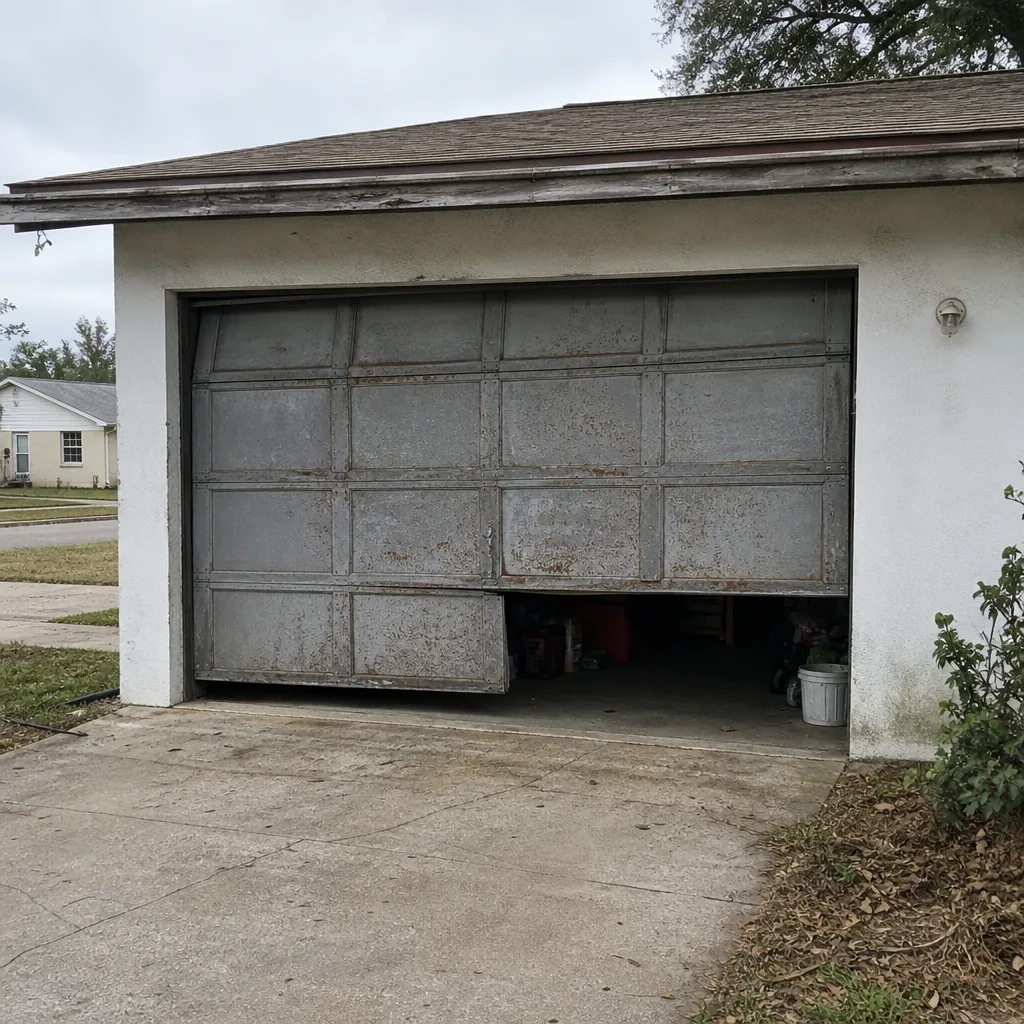 Before
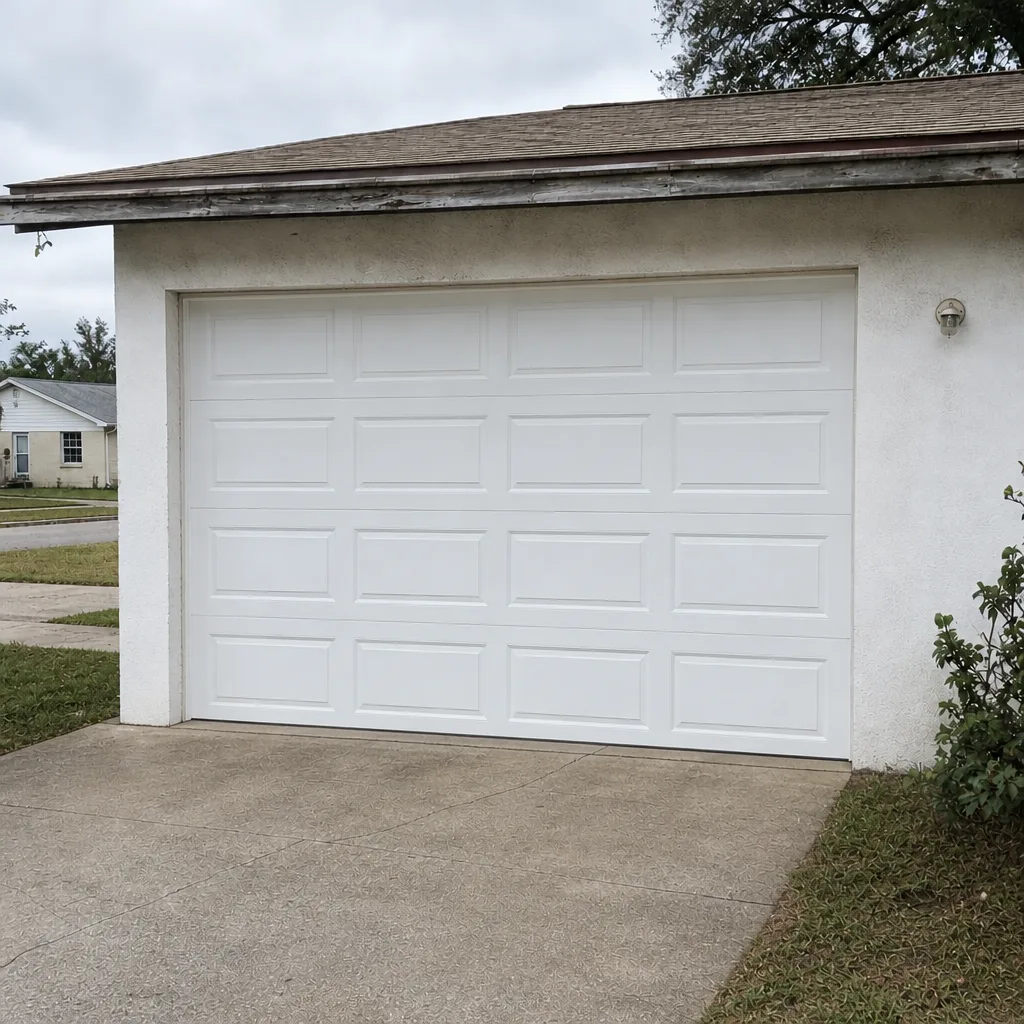 After
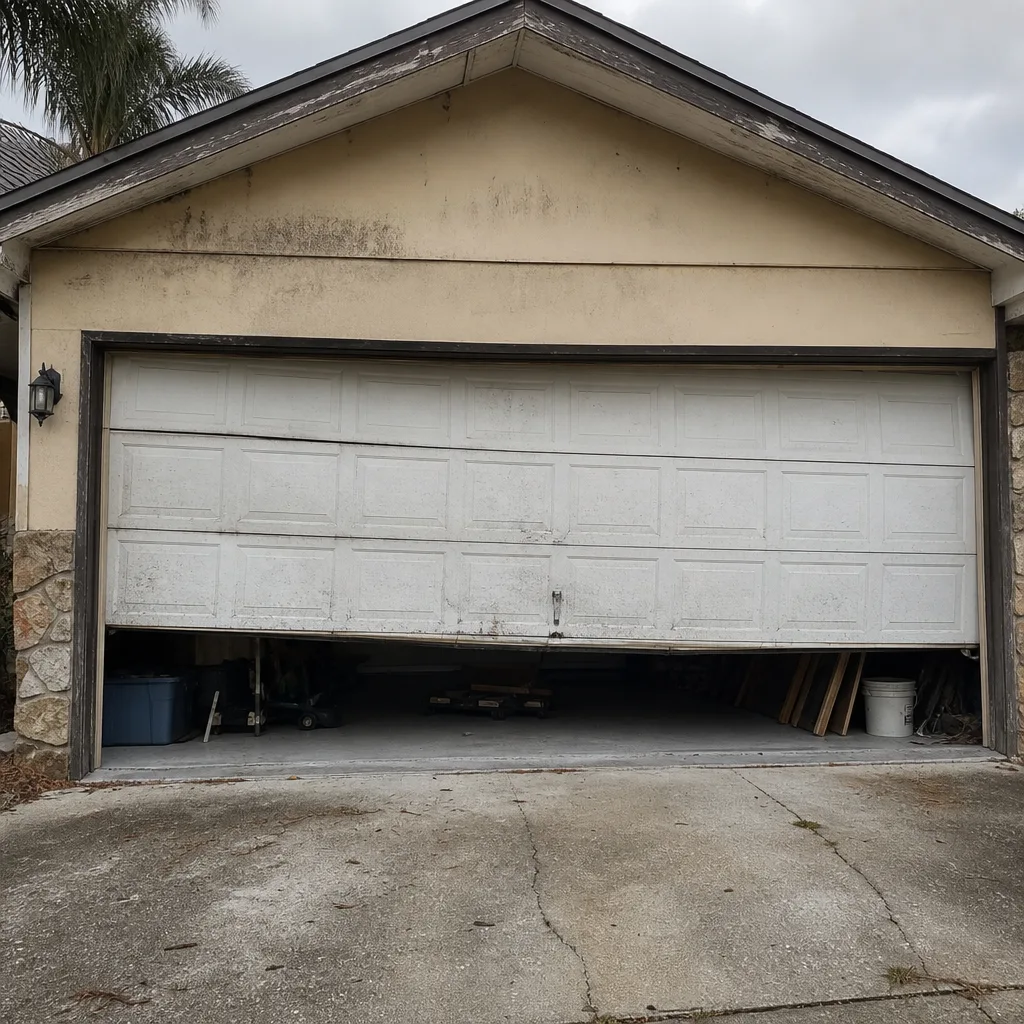 Before
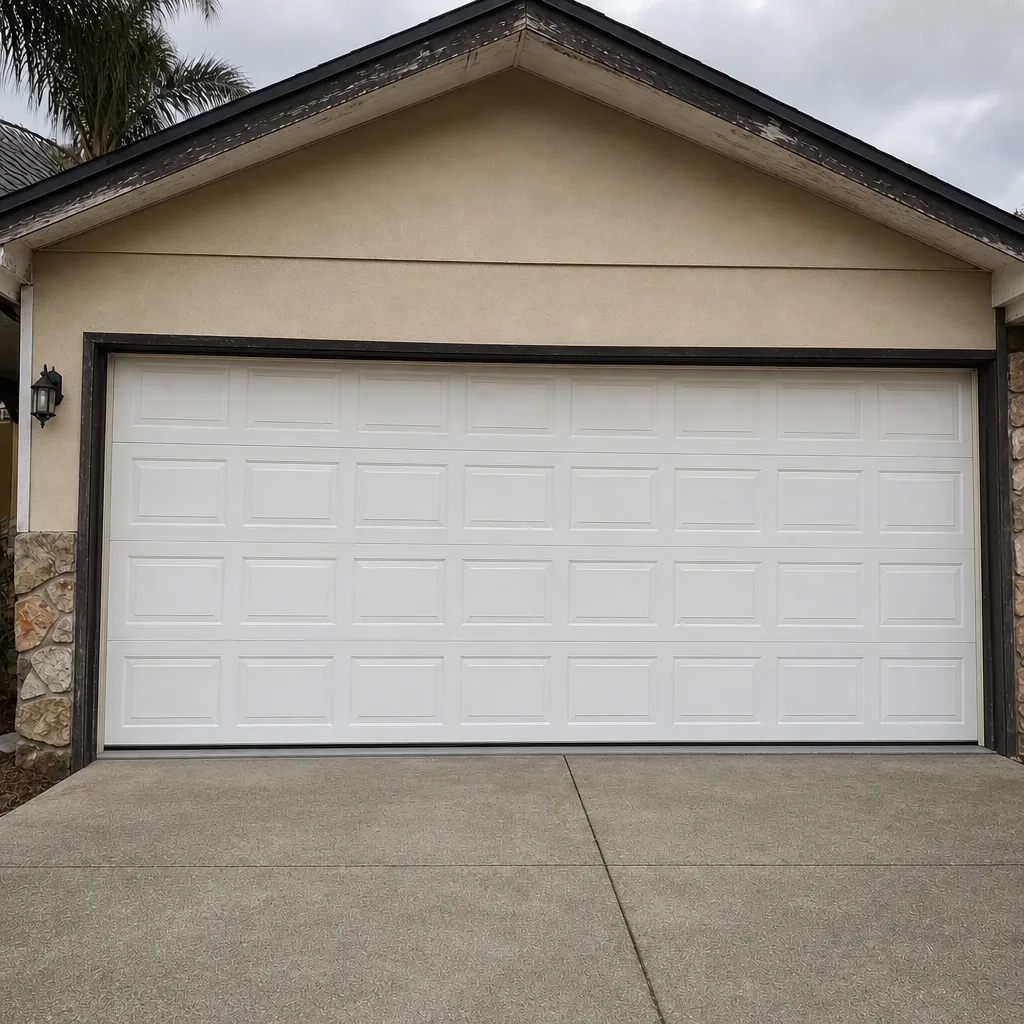 After
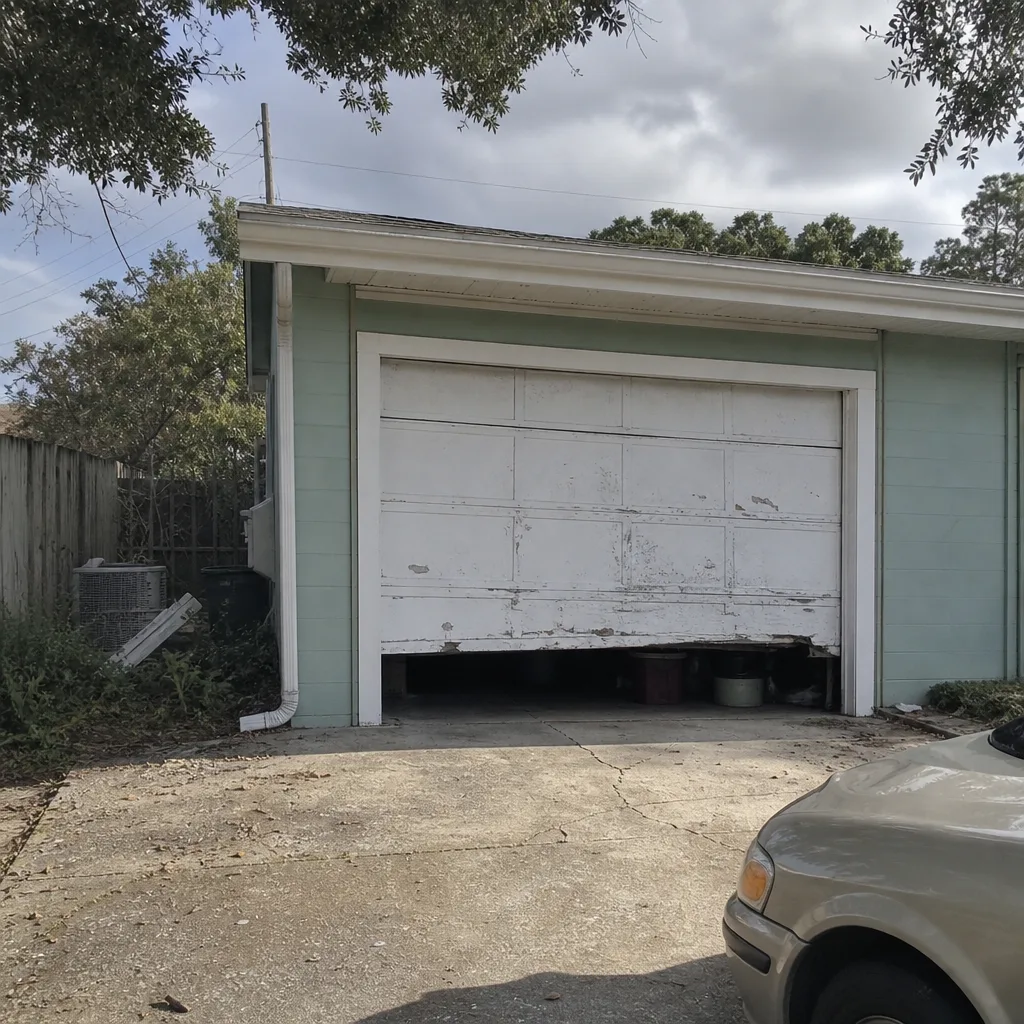 Before
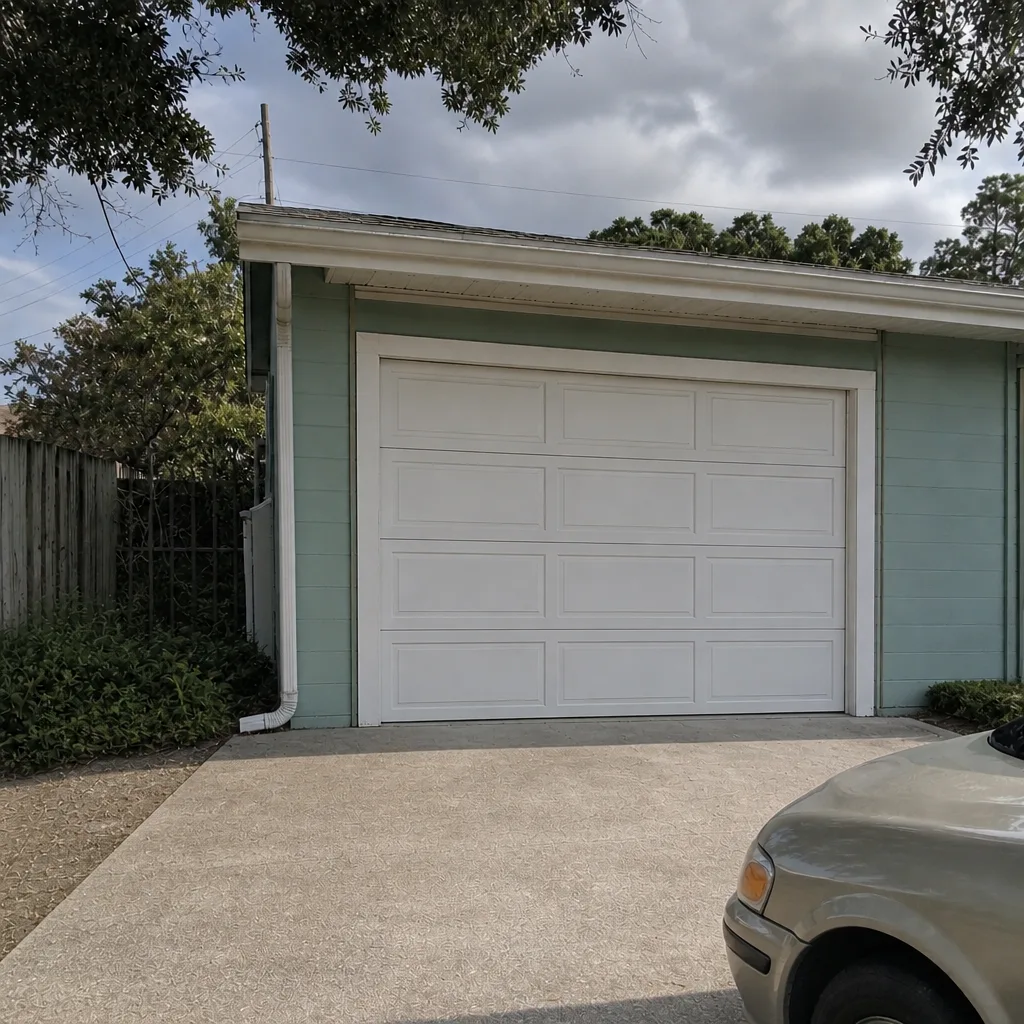 After
When to Call a Professional
Call a garage door specialist when the failure involves springs, cables, tracks, or the door body itself. Never attempt to adjust, remove or replace a spring, and never try to reseat a cable that’s under tension. Both can cause serious injury. Call us if the door won’t lift by hand, if you see a gap or break in a spring, if a cable looks frayed or slack, or if the door is off its tracks. Call if the opener runs but the door doesn’t move, or if the safety reverse fails. Call after a storm if the door looks twisted, if a hinge or panel is damaged, or if the door binds on the first cycle. We handle emergency garage door service, so a car trapped inside or a door stuck open in rising wind gets priority. Our technicians have up to 8 years of experience, we service LiftMaster, Chamberlain, Genie, Clopay, Amarr, Wayne Dalton, Craftsman and Raynor equipment, and we work on garage doors exclusively. Garage Door Repair Dunedin offers free estimates in Dunedin – call (877) 492-3256.
Frequently Asked Questions
Disconnect the opener with the door closed, pull the release handle, and lift the door by hand. A healthy door holds roughly where you leave it. If the release resists, the door won’t lift, or the door slams down, get it checked before storm season. Call (877) 492-3256 for an exact quote on a repair – estimates are free.
Your door needs to meet whatever rating applies to your home under your local building rules, and those rules vary and change over time. The most reliable answer is to ask Dunedin’s building department what applies to your address, then confirm your door’s label matches. If there’s a gap, we can confirm the rating and walk you through the options.
First, identify the failure. If the door can be lifted by hand, the opener is the likely culprit and the door can be operated manually. If the door won’t lift by hand, that’s a spring or balance issue and should be handled by a professional. If the door is stuck in the open position, secure it, get your car out, and call. We answer 24/7 – call (877) 492-3256.
The release usually fails because the trolley has seized from disuse, the cord is routed wrong, or the springs have lost tension so the door can’t be lifted by hand. Some causes are simple. A seized trolley or a weak spring is not a DIY repair, and anything involving springs or cables is dangerous. Call for a same-day diagnosis, and estimates are free.
Check the panels for twisting and the tracks for bends before you press the opener button. Then look at the springs and cables for gaps, fraying or slack. If everything looks intact, disconnect the opener and test the door by hand before running one cycle. If anything looks wrong, stop and call – don’t run the motor.
The local professionals we connect you with are licensed and insured as their state requires. The price is quoted and agreed before any work starts, so the written estimate sets the final price. Our technicians have up to 8 years of experience and work on garage doors exclusively. Call (877) 492-3256 for a free estimate.
The Bottom Line
Garage door emergency preparedness in Dunedin comes down to a short set of checks done in calm weather: test the manual release, confirm the wind-load rating, save a specialist’s number, inspect the door after a storm, and know when the failure is one you fix and one you call in for. The mistake that costs the most is treating the garage door like it isn’t part of emergency planning. It’s the widest opening in your home, and it fails at the worst possible moment when it hasn’t been checked. Do the checks now, while the weather’s fine, and the storm that comes through will be a nuisance rather than a crisis.
Contact
If your garage door needs a check, a repair, or a full replacement – or you want a straight answer on what your door can handle before storm season – call (877) 492-3256 for a free estimate. We answer 24/7. Fast dispatch from 7am to 7pm, Sunday through Friday. We’ll diagnose the issue, tell you what it needs, and give you a written price before any work starts.
Written by the team at Garage Door Repair Dunedin.